Understanding Working Memory Challenges in Black Girls
Psychology for Black Girls ·
Understanding Working Memory Challenges
Have you ever noticed a girl grasping a lesson one moment, only to forget crucial steps moments later? This common scenario highlights the complexities of working memory, a mental system that enables us to hold information temporarily while we use it.
Working memory serves as a temporary mental workspace, allowing children to:
Follow directions
Solve multi-step problems
Remember what they just read
Organize their thoughts before speaking or writing
Keep track of steps while completing tasks
When overloaded with information, children may struggle to retain what they need, leading to frustration and misunderstandings.
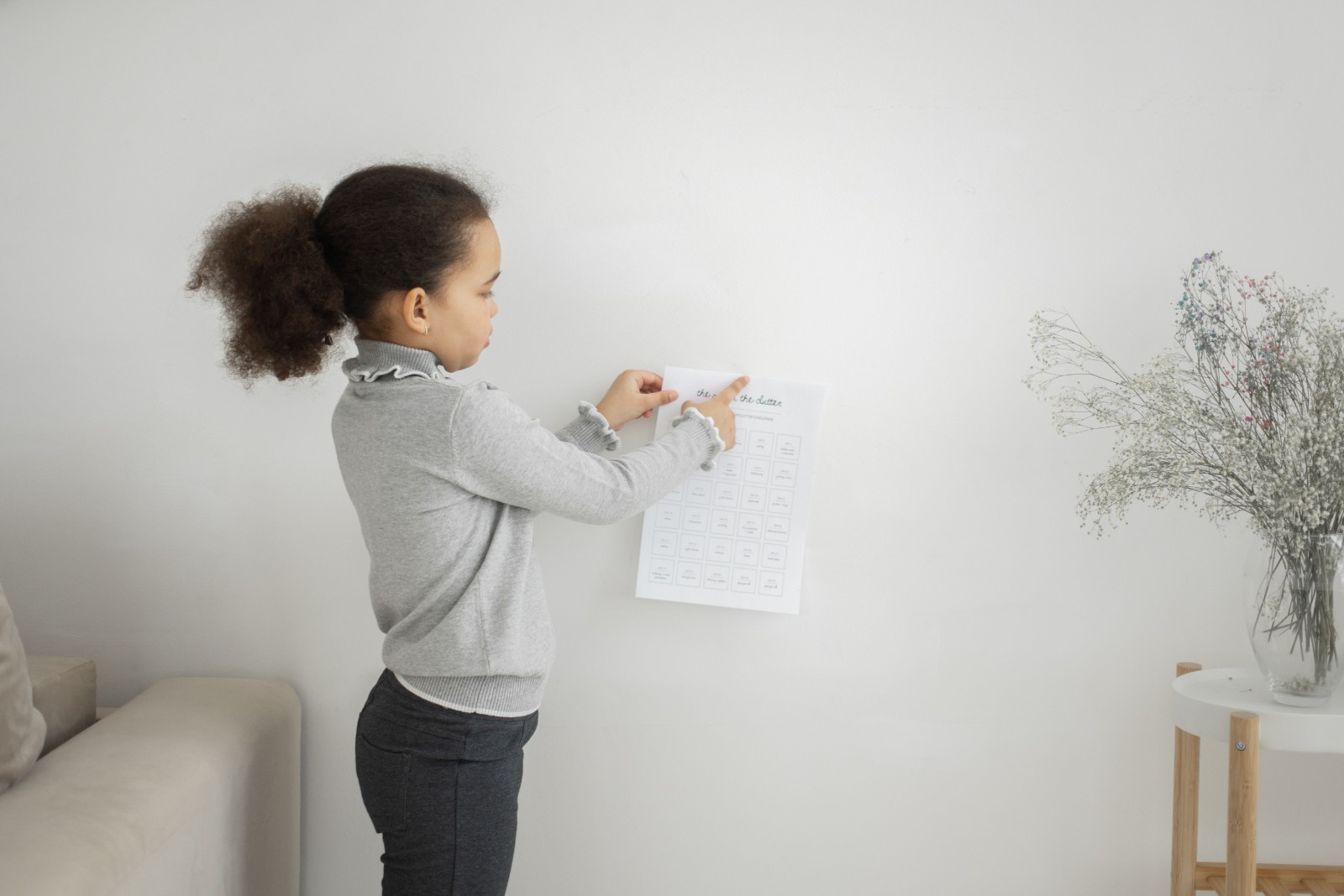
Working memory challenges can impact learning.
Recognizing the Signs of Working Memory Difficulties
Working memory challenges can manifest in various ways. A girl may:
Forget directions shortly after hearing them
Complete only part of a multi-step instruction
Lose her place during assignments
Forget what she wanted to say while waiting her turn
Struggle with mental math
Need to reread paragraphs
Start a task and forget what comes next
Frequently require instructions to be repeated
Struggle to take notes while listening
While she may understand each step, keeping several pieces of information active at once can be overwhelming.
Support Through External Working Memory Strategies
Many children perform better with external support. For instance, a parent might prompt, “What comes next?” or “Check the second step.” These reminders can help the child navigate tasks successfully, illustrating the concept of external working-memory support.
This support explains why a child may excel during practice but struggle when expected to complete tasks independently.

External support can aid memory retention.
The Impact on Learning: Reading and Math
Working memory difficulties can significantly affect a child's performance in reading and math. In reading, a child may decode words accurately but struggle to recall the content of a paragraph. Similarly, in math, she may need to remember various operations, numbers, and steps simultaneously, leading to errors if she loses track of any part of the process.
Writing down steps can alleviate some of this cognitive load, allowing her to focus on understanding rather than remembering.
Understanding the Overlap with ADHD
While working memory difficulties are common among children with ADHD, they are distinct issues. A child with ADHD may miss information due to shifting attention, whereas another child may listen attentively yet still forget parts of the information before acting on it.
Other factors, such as anxiety, learning difficulties, and fatigue, can also impact working memory. Therefore, it is crucial to consider the broader context rather than jumping to conclusions based on a single symptom.
The Role of Anxiety in Memory Challenges
Anxiety can occupy valuable mental space, making it harder for a child to remember instructions. Thoughts like “What if I get this wrong?” or “Everyone else is already finished.” can compete with the information she is trying to retain. This may explain why she performs better in calm environments and struggles under pressure.
Addressing Misunderstandings in Black Girls
Black girls who frequently forget directions may be unfairly labeled as careless or inattentive, often without consideration for their cognitive processing. Quiet girls may adapt by observing peers, copying routines, or relying on friends for missed information. If their grades are acceptable, the effort to keep up may go unnoticed.
Over time, repeated criticism can erode self-esteem, transforming a cognitive difficulty into a negative self-belief. By shifting the focus from “Why aren't you trying?” to “What support would help?”, we can foster a more understanding environment.
What Parents Can Observe at Home
Working memory challenges can also impact daily routines. For example, a parent might give multiple instructions at once, only to find that the child completes only the first task. Instead of interpreting this as defiance, it may be more effective to simplify directions: “First, get your shoes. Then we'll do the next step.” As the child learns strategies, she may gain more independence.
Strategies to Support Working Memory
There are several effective strategies to assist children with working memory difficulties:
Provide shorter instructions
Break tasks into smaller steps
Write directions down
Use checklists or visual schedules
Encourage the child to repeat instructions in her own words
Allow scratch paper for intermediate steps
Teach note-taking strategies
Utilize reminders, calendars, or alarms
Minimize unnecessary information during complex tasks
These strategies do not lower expectations; rather, they help reduce the cognitive load a child must manage at once.
Moving Beyond Character Judgments
Simply telling a child to “be more responsible” does not equip her with the tools to remember effectively. A more constructive approach is to ask, “What system would help you remember this?” This could involve checklists, written instructions, or visual reminders. Just as adults use external memory tools daily, teaching children to utilize these tools independently is an essential skill.
When to Seek Evaluation
If memory difficulties persist and interfere with daily life, seeking an evaluation may be beneficial. Understanding the root of these challenges can pave the way for effective support and strategies tailored to the child's needs.