Understanding Encopresis: Supporting Your Daughter Through Bathroom Accidents
Psychology for Black Girls ·
When Your Daughter Keeps Having Bathroom Accidents
Your daughter has been toilet trained for years, but lately you keep finding soiled underwear in the laundry. You ask what happened, and she says she did not notice. Sometimes she hides her clothes, avoids answering questions, or insists that she did not have an accident. You may feel confused, frustrated, or worried that something is wrong.
Perhaps a teacher has mentioned an unpleasant smell, or your daughter has started avoiding sleepovers because she is embarrassed. It can be tempting to assume that she is being careless or refusing to use the bathroom. However, repeated stool accidents in children can sometimes be a sign of encopresis, a condition that deserves medical attention rather than punishment.

Understanding encopresis is key to supporting your daughter.
What Is Encopresis?
Encopresis involves the repeated passage of stool into inappropriate places, such as underwear, in children who have reached an age when bowel control is generally expected. The diagnosis is considered in children with a developmental age of at least four years, provided the pattern meets specific frequency and duration criteria. Most cases are associated with chronic constipation and stool retention.
When stool remains in the colon for an extended period, it can become large and hard. Softer stool may then leak around the retained stool without the child realizing what is happening. This is sometimes referred to as overflow soiling. A child experiencing this problem may genuinely have limited awareness or control over the leakage. Not all cases of encopresis involve constipation, which is why an appropriate medical evaluation is important.
How Constipation Can Lead to Accidents
The process often begins with a painful or uncomfortable bowel movement. A child may start avoiding the toilet because she fears that passing stool will hurt. As stool accumulates, the rectum stretches, and the normal sensation that signals the need for a bowel movement may become less noticeable. Eventually, softer stool can leak into the child's underwear.
Parents may be surprised to learn that a child who appears to have frequent loose stool or accidents may actually be severely constipated. The child may also experience abdominal discomfort, reduced appetite, or unusually large bowel movements. Because the accidents can happen involuntarily, repeatedly telling her to pay attention or try harder may not resolve the problem.
Signs Parents May Notice
Encopresis can affect children differently, but common concerns include:
Repeated stool stains or accidents in underwear.
Large, hard, or painful bowel movements.
Going several days without passing stool.
Avoiding the toilet or showing fear of bowel movements.
Abdominal pain, bloating, or discomfort.
Hiding soiled clothing because of embarrassment.
Avoiding school bathrooms or unfamiliar toilets.
Changes in mood or behavior surrounding bathroom routines.
Some children also exhibit stool-withholding behaviors, such as crossing their legs, stiffening their bodies, or standing in unusual positions when they feel the urge to have a bowel movement. These behaviors can be mistaken for attempts to pass stool when the child is actually trying to hold it in.
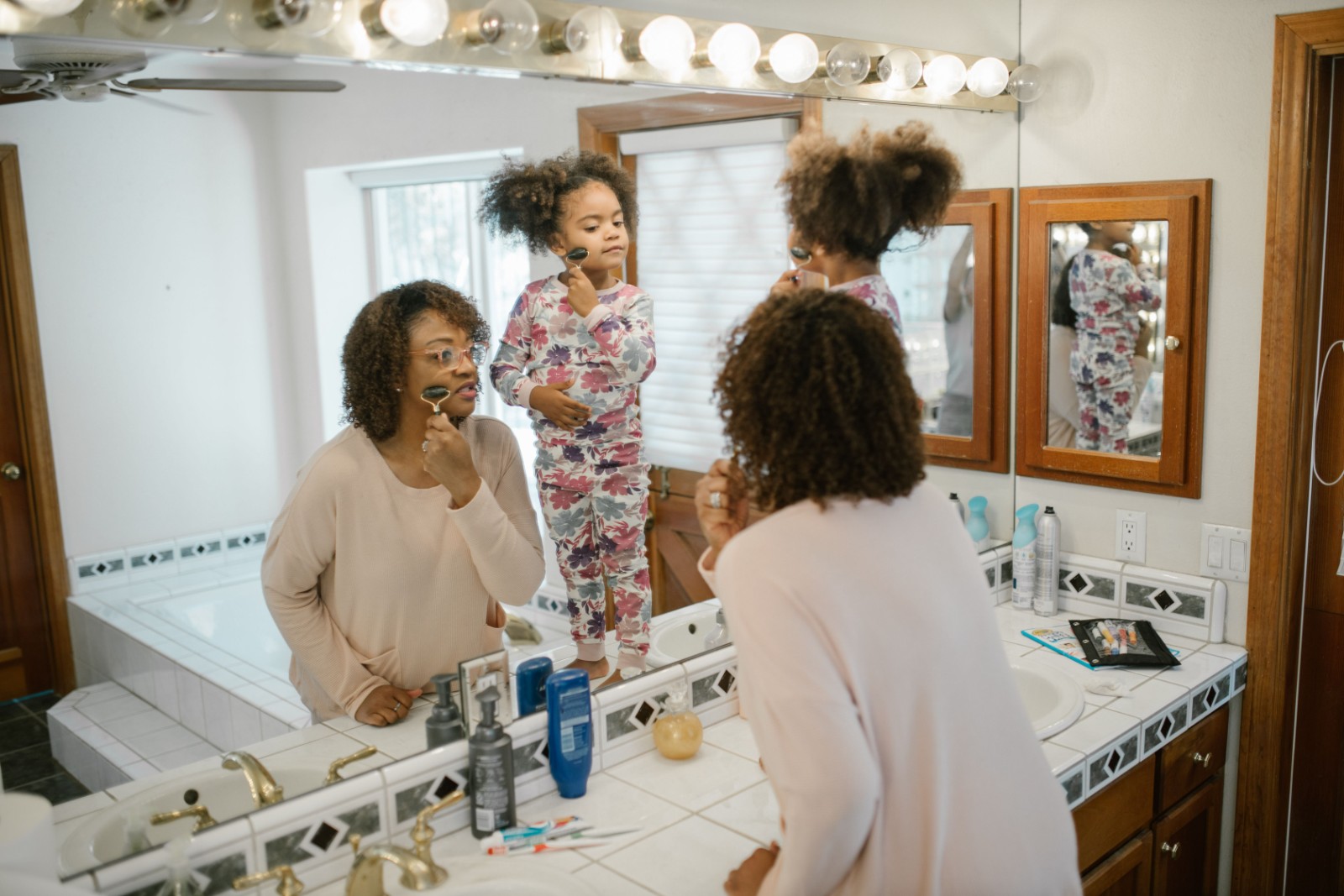
Bathroom anxiety can affect children's confidence.
The Emotional Impact of Bathroom Accidents
Although encopresis is often related to a physical problem, its emotional consequences can be significant. A girl may feel ashamed when classmates notice an odor or when she has to change clothes at school. She may worry about being teased, avoid social activities, or become reluctant to attend school.
Repeated criticism at home can increase embarrassment and make it harder for her to talk about symptoms. For Black girls, who may already encounter expectations of maturity and independence, adults must be especially careful not to interpret an embarrassing medical problem as deliberate misbehavior. The most helpful message is simple: having an accident does not make a child dirty, lazy, or bad.
Why Punishment Can Make the Problem Worse
When parents believe a child is having accidents intentionally, they may respond with scolding, restrictions, or punishment. However, these responses do not treat constipation or restore normal bowel functioning. They may also increase shame, anxiety, and avoidance.
A child who fears being punished may begin hiding soiled clothing or refusing to tell adults when an accident occurs. Instead, parents can respond calmly, help the child clean up privately, and focus on understanding the underlying cause. Maintaining dignity is particularly important when accidents occur outside the home.
How Is Encopresis Diagnosed?
A pediatrician typically begins by reviewing the child's bowel habits, medical history, symptoms, and development. The evaluation may include questions about stool frequency, consistency, painful bowel movements, withholding behaviors, diet, and previous treatment. A physical examination may also be appropriate.
Most children do not need extensive testing, but additional investigations may be considered when symptoms suggest another medical condition or do not respond to treatment. A clinician may also assess whether stress, developmental differences, or difficulties using school bathrooms contribute to the problem. Because encopresis can resemble other gastrointestinal concerns, parents should avoid assuming that every accident has the same cause.
What Does Treatment Involve?
Treatment depends on whether constipation and stool retention are present. For constipation-associated encopresis, a pediatrician may recommend a medically supervised plan to clear retained stool, followed by ongoing treatment to prevent constipation from returning. This may include appropriate medications, scheduled toilet sitting, and adjustments to hydration and dietary fiber when indicated.
Children often benefit from sitting on the toilet for a few minutes after meals, when the body's natural digestive reflexes can make bowel movements more likely. A footstool may help younger children maintain a comfortable position. Treatment can take several months, and accidents may continue temporarily while normal bowel sensation and habits recover. Parents should follow medical guidance rather than repeatedly using laxatives, enemas, or restrictive diets without professional advice.
How Parents Can Support Their Daughter
Practical support can make the treatment process less stressful:
Create a predictable bathroom routine. Encourage regular opportunities to use the toilet without turning the experience into a struggle.
Use encouragement instead of blame. Praise participation in the routine rather than focusing only on whether an accident occurred.
Protect her privacy. Keep spare underwear and clothing available discreetly when needed.
Work with her school. Arrange reasonable bathroom access and a private way to manage accidents without drawing unnecessary attention.
Track symptoms. A simple record of bowel movements, discomfort, accidents, and treatment can help the pediatrician assess progress.
Be patient. Improvement may be gradual, particularly when constipation has been present for a long time.
When Should Parents Seek Medical Care?
Schedule a pediatric appointment if your daughter has repeated stool accidents, painful bowel movements, persistent constipation, or significant distress around using the bathroom. Seek urgent medical assessment if she develops severe abdominal pain, substantial abdominal swelling, repeated vomiting, or appears seriously unwell. Blood in the stool, poor growth, or other concerning symptoms also deserve medical attention.
Early assessment can help prevent ongoing discomfort and reduce the emotional consequences of repeated accidents.
Helping Her Feel Comfortable Again
Bathroom accidents can be upsetting for children and exhausting for parents, especially when the cause is not immediately understood. But encopresis is a recognized condition, and many children improve with appropriate treatment and consistent support.
Your daughter needs reassurance that her body is not something to be ashamed of and that she can talk openly about uncomfortable symptoms. A calm response, timely medical care, and protection from embarrassment can help her regain both bowel control and confidence.
Psychology for Black Girls provides educational resources supporting the emotional and psychological well-being of Black women, girls, and families.
This article is for educational purposes and does not replace evaluation or treatment by a qualified healthcare professional.