Understanding Your Daughter's Sensitivity to Sensory Inputs
Psychology for Black Girls ·
Why Is My Daughter So Sensitive to Noise, Clothing, Food, or Crowds?
The fire alarm sends her running from the room. She refuses a shirt because the seam feels wrong. She eats the same few foods, covers her ears at family gatherings, or becomes tearful in stores that seem ordinary to everyone else. Adults may label her as difficult, dramatic, spoiled, or overly sensitive. However, she may simply be experiencing her environment more intensely than those around her realize.
Sensory Sensitivity Is More Than Disliking Something
The brain constantly processes information through sound, sight, touch, taste, smell, movement, and internal sensations. Sensory sensitivity occurs when certain inputs feel unusually intense, uncomfortable, distracting, or painful. A sound that others barely notice may feel impossible to ignore, while a clothing tag may feel like it is scratching her skin continuously.
Sensory over-responsivity is often associated with autism, but it can also occur in children who are not autistic. It may overlap with anxiety, ADHD, developmental differences, or other concerns. Importantly, sensory sensitivity alone is not sufficient for a diagnosis of autism.
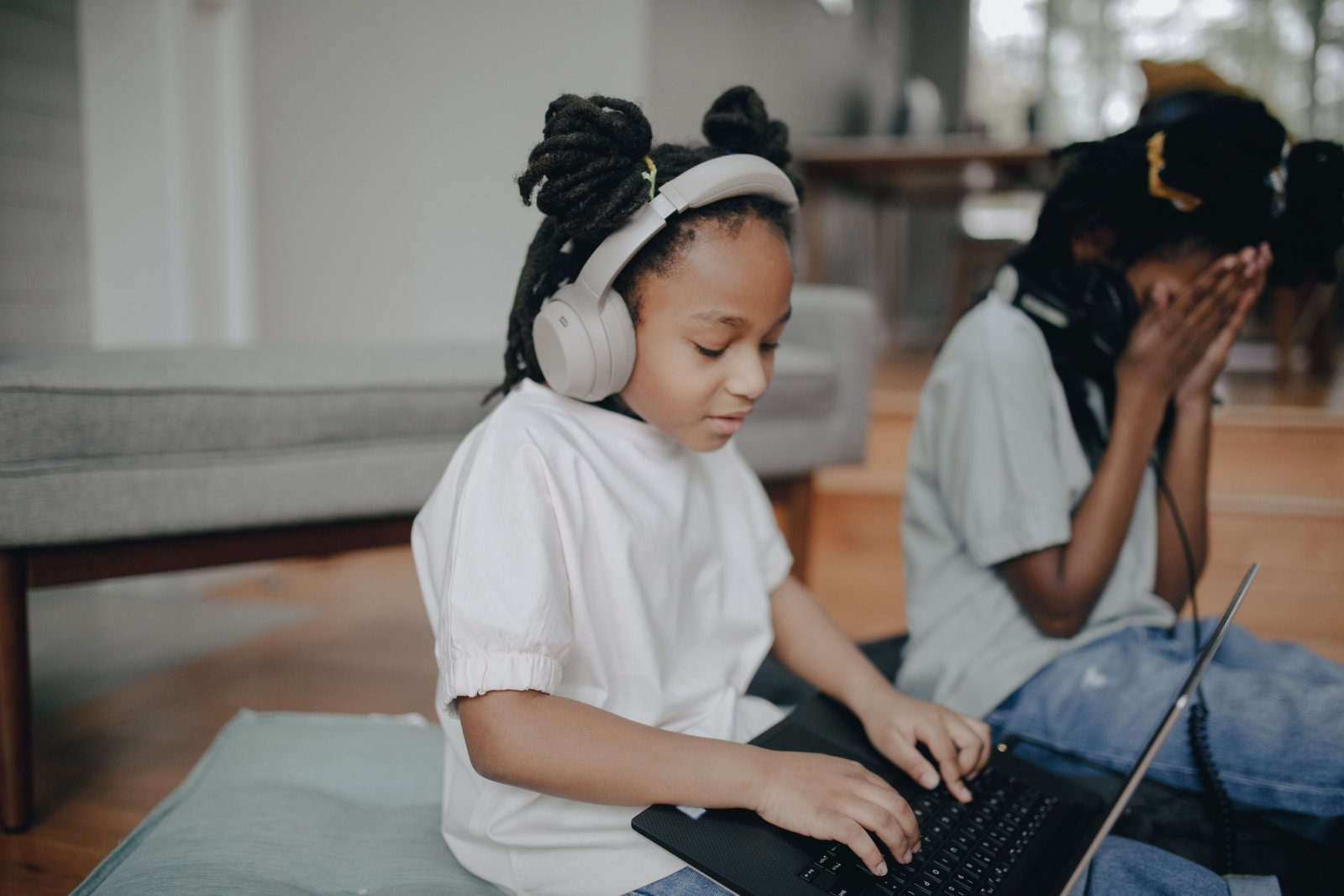
Understanding sensory sensitivity in children.
What Sensory Sensitivity Can Look Like
Your daughter may react strongly to one type of input while actively seeking another.
Sound
Cover her ears during hand dryers, alarms, vacuuming, or loud music
Become distressed in cafeterias, assemblies, church services, or parties
Notice sounds that others seem able to ignore
Struggle to understand instructions when several people are talking
Request to turn down the television or radio
Decreased tolerance for sound is common among autistic children and adults and can interfere with school, community participation, and daily activities.
Clothing and Touch
Refuse clothing with tags, seams, lace, buttons, or stiff fabric
Prefer the same type of clothing every day
Dislike socks, tights, school uniforms, or tight waistbands
Become distressed during hair care, nail cutting, or tooth brushing
Pull away from unexpected hugs or touch
Avoid messy activities such as glue, paint, sand, or certain foods
Research indicates that discomfort involving fabric, pressure, seams, tags, fit, temperature, and the anticipation of touch is common among children with autism.
Food
Food sensitivity may involve more than simply refusing vegetables. She may react to:
Texture
Temperature
Smell
Color
How foods are mixed
A change in brand or packaging
Food touching another item on the plate
The sound or feeling of chewing
Some children prefer foods that are predictable because they look, taste, and feel the same each time. It’s essential not to assume she is simply being stubborn. Significant food restrictions deserve attention, as they may be linked to medical, nutritional, oral-motor, swallowing, gastrointestinal, or anxiety-related concerns.
Crowds and Busy Environments
A crowded store, school event, salon, restaurant, or family gathering may involve bright lights, movement, perfumes, music, conversations, physical contact, and unpredictable activity all at once. Your daughter may initially appear fine and then suddenly cry, become irritable, withdraw, run away, or repeatedly ask to leave. The issue may not stem from one specific sound or person but rather the overwhelming amount of information her brain is trying to process.
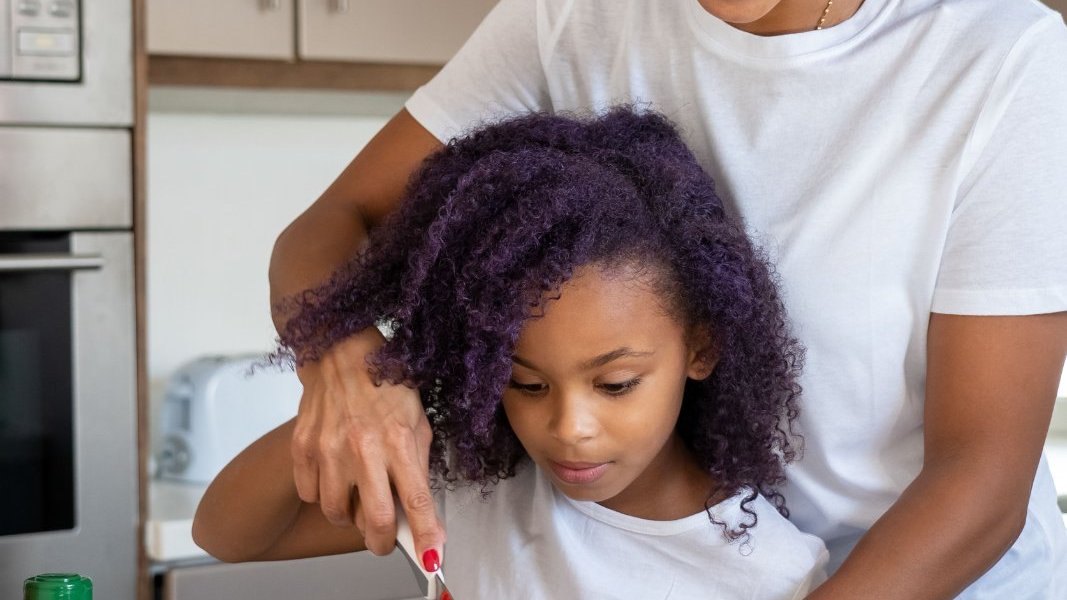
Supportive environment for sensitive children.
Why She May Cope at School and Struggle Later
Some children work hard to tolerate uncomfortable sensations in public. They may remain quiet due to fear of getting in trouble, being teased, disappointing an adult, or drawing attention to themselves. After school, they may refuse demands, cry, argue, hide, or need several hours alone. This behavior does not necessarily indicate that home causes the distress; rather, home may be the only place where she feels safe enough to express her feelings.
Ask her about her experiences throughout the day before focusing solely on what happened after she arrived home.
Begin by Believing Her
Your daughter may lack the language to articulate her feelings, saying instead:
“It is too loud.”
“I hate this shirt.”
“This food is nasty.”
“I want to go home.”
Instead of immediately correcting her reaction, cultivate curiosity. Try asking:
“What part is bothering you?”
“Is it the sound, smell, feeling, or something else?”
“Does it hurt, feel uncomfortable, or make it hard to think?”
“What would make this easier?”
Believing that her discomfort is real does not mean allowing every unsafe or impractical response. It provides you with better information for choosing a solution.
Make Reasonable Changes Before Expecting Endurance
Helpful adjustments may include:
Removing clothing tags
Choosing softer or looser fabrics
Allowing headphones or ear protection in loud settings
Providing a quiet place to recover
Preparing her before entering a crowded environment
Shopping during less busy hours
Allowing familiar foods alongside new foods
Letting her smell or touch food before tasting it
Giving advance notice before hair care or physical touch
Offering choices when possible
Planning shorter visits with an agreed exit strategy
Environmental changes that reduce noise, distraction, and unpredictability can make public and learning spaces more accessible. Accommodations are not rewards for bad behavior; they can help your daughter participate without becoming overwhelmed.
Do Not Force Her to “Get Used to It” Without a Plan
Repeatedly exposing a distressed child to uncomfortable sensations does not automatically make the sensitivity disappear. Forcing her to endure clothing, food, touch, or loud environments may increase fear and reduce trust, especially when she cannot control the experience. This does not mean avoiding every challenge forever. New experiences can be introduced gradually, respectfully, and with attention to her communication, readiness, and level of distress. If sensory difficulties significantly affect daily life, an occupational therapist or another qualified clinician may help the family identify practical strategies.
Avoid purchasing expensive sensory products or beginning a complicated “sensory diet” without individualized guidance, as what calms one child may irritate or overwhelm another.
Check for Medical and Physical Causes
Not every reaction is sensory. A child who suddenly avoids sound may have an ear infection or hearing concern. Food refusal may be related to allergies, reflux, constipation, dental pain, swallowing difficulties, or another medical issue. Consult a healthcare provider when the sensitivity is new, severe, painful, or accompanied by changes in sleep, eating, weight, hearing, balance, digestion, or physical health.
When an Evaluation May Be Helpful
Consider professional support when sensory reactions:
Interfere with school attendance or learning
Severely restrict eating
Prevent participation in ordinary family activities
Cause frequent meltdowns or shutdowns
Create safety concerns
Affect hygiene, dressing, or hair care
Occur alongside communication, attention, social, developmental, or behavioral concerns
Require the family to organize nearly every activity around avoiding distress
An evaluation may explore autism, ADHD, anxiety, communication, development, learning, emotional functioning, and relevant medical concerns. The purpose is not to make your daughter tolerate everything others can; rather, it is to understand her experiences, reduce unnecessary distress, and help her participate in daily life with appropriate support.
Sensitivity Is Not a Character Flaw
Your daughter may need to learn flexibility, communication, and coping skills. She also needs adults to stop treating genuine discomfort as disrespect. Both can be true. The goal is not to remove every sound, texture, smell, or change from her life but to help her understand her body, communicate her needs, recover from overload, and build tolerance without losing trust or dignity.
“Sensitivity is not a character flaw.”
Explore sensory and developmental support. This resource is intended for education and general information. It is not a substitute for individualized medical, psychological, developmental, nutritional, occupational therapy, or educational evaluation.