Navigating Body Image Criticism: Supporting Your Daughter
Psychology for Black Girls ·
Understanding Your Daughter's Feelings
"I hate my body." These words can cut deep, whether she says them while trying on clothes, standing in front of the mirror, or even refusing to be photographed. When your daughter expresses such strong feelings about her appearance, it can be tempting to jump in with reassurances like, "Stop it. You're beautiful." But often, this response may not resonate with her.
Listen Before You Respond
Instead of arguing against her feelings, try to understand them. Ask questions like:
“What made you feel that way today?”
“You've mentioned your stomach a few times lately. Did something happen?”
“When did you start feeling uncomfortable about your hair?”
This approach shows that you care about her feelings rather than dismissing them. Often, there’s a deeper story behind her statements.
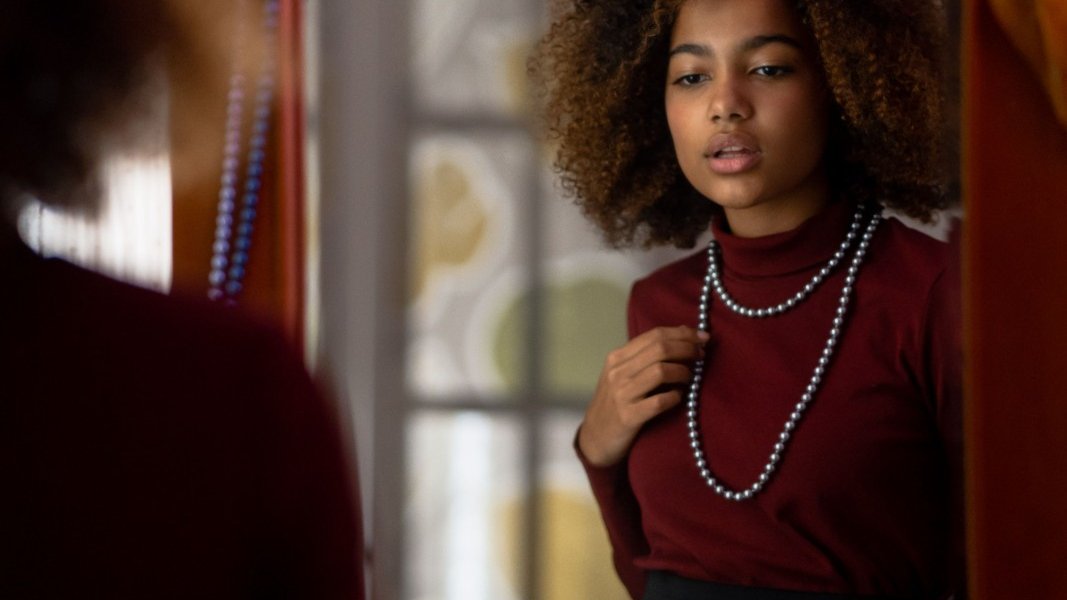
Encourage open conversations about body image.
Identify External Influences
Even when your daughter seems alone, she may be influenced by external factors. Consider the following:
Comments from classmates
Social media content
Family remarks about weight
Beauty standards portrayed online
Understanding these influences can help you address the root of her feelings and reinforce a healthier self-image.
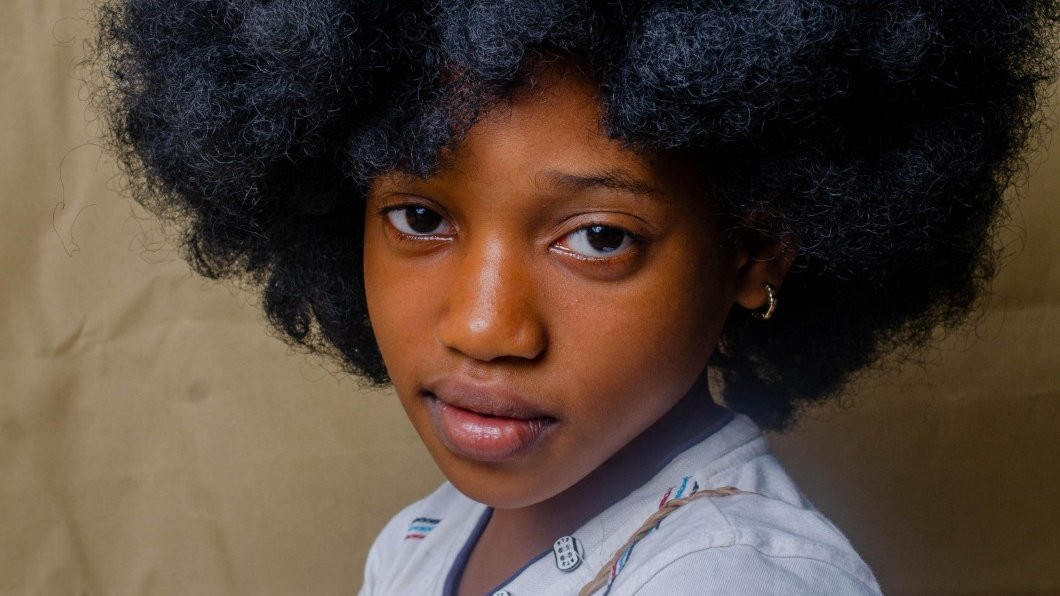
Create a nurturing home environment.
Encourage Positive Conversations About Bodies
Children absorb messages about body image from their environment, even when adults aren’t speaking directly to them. Statements like:
“I need to lose ten pounds.”
“You would be so pretty if you lost a little weight.”
“Don’t eat that. It’ll make you fat.”
can shape their perceptions of worth. Instead, create a home where appearance isn’t the sole measure of value. Discuss qualities like creativity, kindness, and persistence.
Addressing Unique Challenges for Black Girls
For Black girls, beauty standards often include additional layers such as hair texture and skin tone. If your daughter expresses a desire to change her skin tone or hair, don’t shut down the conversation. Instead, ask:
“What made you wish that?”
This can help you understand the pressures she faces and provide the support she needs.
Be Mindful of Comparisons
When your daughter expresses discomfort about her body, avoid responses that compare her to others, such as, "People pay to look like you!" While well-intentioned, these comments can invalidate her feelings. Instead, listen to her concerns and validate her experiences.
Understanding the Role of Social Media
Social media can amplify body image issues, allowing teens to compare themselves to an overwhelming number of images. Help her curate her online presence by discussing the accounts she follows and encouraging her to seek out diverse representations of beauty.
Creating a Healthy Relationship with Food
When body dissatisfaction affects eating habits, it’s crucial to approach food with care. Avoid labeling foods as “good” or “bad,” and don’t celebrate rapid weight loss without understanding the context. If you notice concerning behaviors around eating, seek professional help.
Compliment Her Beyond Appearance
While it’s important to tell your daughter she is beautiful, ensure she hears compliments about her character and actions as well. Say things like:
“You stood up for your friend.”
“You make people laugh.”
“I love spending time with you.”
A well-rounded sense of self can help her navigate moments of insecurity.
Keep the Conversation Open
It’s natural for your daughter to sometimes doubt your compliments. Reassure her that you want to understand her feelings, saying, "You don’t have to agree with me right now. I want to understand how you’re feeling." This keeps the lines of communication open.
Recognizing When to Seek Help
While some insecurity is normal, pay attention to signs that body dissatisfaction is taking over her life. If she avoids social situations, frequently checks mirrors, or exhibits drastic changes in eating or mood, it may be time to consult a healthcare professional.
Creating a Nurturing Home Environment
Your home should be a sanctuary where your daughter feels safe to express her feelings about her body. It should be a place where food is enjoyed without guilt, where all body types are accepted, and where she can voice her insecurities without fear of judgment. Sometimes, the best response to "I hate my body" is simply, "Tell me what has been making you feel that way." Then, listen.
Sometimes the most important response to “I hate my body” is not: “No, you don’t.” It is: “Tell me what has been making you feel that way.”
Psychology for Black Girls provides educational resources to help Black girls, women, parents, and families better understand emotional and psychological well-being.
This article is for educational purposes and does not replace individualized medical, nutritional, or mental health care. Significant changes in eating, rapid weight changes, fainting, self-harm, or other urgent health or safety concerns warrant prompt professional evaluation.