Understanding Separation Anxiety in Older Girls and Teens
Psychology for Black Girls ·
Separation Anxiety: More Than Just Childhood Worries
Separation anxiety is often depicted as a toddler crying when a parent leaves the room. However, this anxiety can persist into later childhood and adolescence, manifesting in different ways. For older girls, the signs may not be as overt, but the impact can be significant.
An older girl may not cling to her parent at the school door, but she might constantly text to ensure everyone is safe, avoid sleepovers, become distressed when a parent travels, or refuse activities that require being away from home. When these fears interfere with school, friendships, and daily activities, separation anxiety may be more than just a sign of closeness to family.

Separation anxiety can manifest in various ways for older girls.
Recognizing Separation Anxiety in Older Girls
As children mature, the signs of separation anxiety can become less apparent. An older child or teenager may:
Worry excessively about the safety of a parent or caregiver
Frequently call or text to check on family members
Avoid sleepovers, camps, or overnight activities
Resist staying home without a specific family member
Feel distressed when a parent travels
Struggle with attending school due to separation anxiety
Refuse to sleep alone
Experience nightmares related to separation
Complain of physical symptoms like headaches or stomachaches before separations
Avoid extracurricular activities that require time away from family
Feel unable to relax until a loved one returns home
The fears may revolve around accidents, illness, death, or the possibility of something happening while she is away.
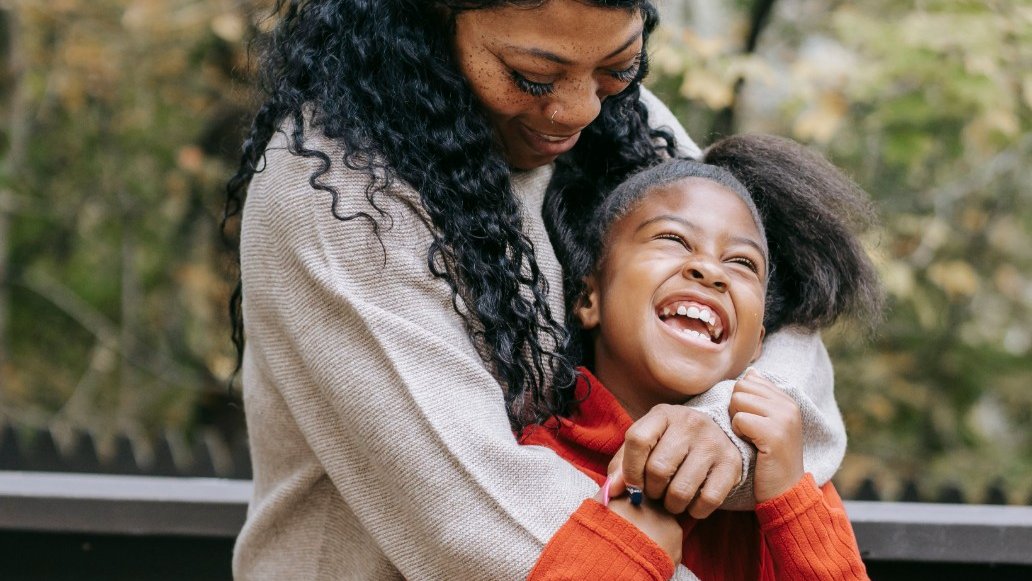
Supportive family relationships are crucial.
Understanding Family Connections
It's important to note that a close relationship with family is not inherently problematic. Many Black families value strong connections, shared responsibilities, and involvement in each other's lives. The issue arises when fear begins to limit what a girl feels capable of doing.
For instance, enjoying family time is different from refusing a school trip out of fear that something terrible will happen to a parent while she is away. Healthy attachment provides security, whereas separation anxiety can make independence feel threatening.
Causes of Separation Anxiety
There is often no single cause for separation anxiety. It may intensify following:
The death of someone close
A parent's illness or hospitalization
Divorce or family separation
Moving to a new home or school
Witnessing a frightening event
Experiencing a natural disaster or community violence
A parent's frequent travel
Hearing about accidents or violence
Periods of family instability
Other anxiety disorders
Sometimes, no major event is responsible; a child may simply have an anxious temperament that leads to heightened concerns about keeping loved ones safe.
The Cycle of Reassurance-Seeking
When a girl fears something will happen to a loved one, she may repeatedly seek reassurance with questions like:
“Are you sure you'll be okay?”
“What time will you be home?”
“Can you text me when you get there?”
“What if something happens while I'm gone?”
While parents naturally want to reassure their worried children, constant reassurance can inadvertently reinforce the belief that danger is imminent. The temporary relief from reassurance often lasts only a few minutes before new worries arise, leading the child to rely on reassurance rather than developing the ability to tolerate uncertainty.
Impact on School and Social Life
Separation anxiety can significantly affect school attendance. A child may experience physical symptoms like headaches or stomachaches, frequently ask to stay home, or become distressed when unable to contact a parent. Although she may enjoy school once she arrives, the anxiety surrounding separation can be overwhelming.
For teenagers, the signs may be easier to conceal. A teen might miss classes, avoid college tours, refuse overnight school activities, or choose opportunities based on how close they allow her to remain to home. When anxiety starts dictating educational choices, it warrants attention.
Supporting Independence Without Shame
Comments like:
“You're too old for this.”
“Stop acting like a baby.”
“Why can't you just stay by yourself?”
can increase embarrassment without alleviating anxiety. Older children and teens are often aware that their fears differ from those of their peers. A more effective approach involves acknowledging their fears while gradually helping them build confidence. For example:
“I know being away from home feels uncomfortable. We can work on helping you feel safer doing things more independently.”
Support means not allowing anxiety to dictate every decision, but rather assisting her in facing separations in manageable steps.
Strategies for Support
Depending on the situation, helpful strategies may include:
Creating predictable routines around departures and returns
Practicing short periods of separation gradually
Limiting repeated reassurance and checking
Teaching relaxation and grounding techniques
Encouraging age-appropriate independence
Preparing in advance for trips or overnight activities
Helping her challenge catastrophic thoughts
Avoiding sudden pressure to face overwhelming separations
Praising effort and independence rather than just successful outcomes
Gradual exposure can be particularly effective. For instance, a girl afraid of sleeping away from home might start by spending an evening at a relative's house, gradually extending her stay, and eventually attempting an overnight visit. The goal is to help her learn that:
“I can feel anxious and still handle being apart.”
When to Seek Professional Help
Professional support may be necessary when separation fears:
Persist for an extended period
Cause repeated school absences
Prevent age-appropriate independence
Interfere with friendships or activities
Cause significant physical symptoms
Lead to frequent panic or emotional distress
Affect sleep
Prevent participation in desired opportunities
A mental health professional can help determine if separation anxiety or another issue is at play and develop a plan for gradually reducing avoidance. Treatment may involve strategies from Cognitive Behavioral Therapy (CBT), such as learning about anxiety, challenging fearful predictions, developing coping skills, and practicing separation gradually.
Fostering Independence While Maintaining Connection
Helping a girl become more comfortable with separation does not mean weakening her family bonds. Healthy independence and strong family connections can coexist. A teenager can cherish her closeness to family while also learning to attend school, travel, spend time with friends, sleep away from home, and embrace new experiences without needing constant reassurance about the safety of her loved ones.
The goal is not to diminish her care but to help **fear take up less space in the decisions she makes**. If separation anxiety or other emotional concerns are affecting a Black girl or teen in your family, the **Psychology for Black Girls Directory** can connect you with culturally responsive mental health professionals who understand the importance of culture, identity, family relationships, and lived experiences.