Understanding School Refusal in Black Girls: Signs and Solutions
Psychology for Black Girls ·
Recognizing School Refusal
A child who once eagerly attended school may suddenly express a desire to stay home, displaying signs of distress such as crying in the morning or complaining of stomachaches. While it might seem like she is avoiding responsibility, it’s crucial to understand that school avoidance often indicates deeper emotional struggles.
School refusal refers to the difficulty in attending or remaining at school due to emotional distress. It is not a formal diagnosis but can stem from various issues, including anxiety, bullying, academic challenges, or social problems.
Signs of School Refusal
A child experiencing school refusal may not articulate their anxiety directly. Instead, parents might observe:
Frequent headaches or stomachaches before school
Crying or becoming upset while getting ready
Repeated requests to stay home
Difficulty sleeping on school nights
Anxiety on Sunday evenings
Frequent visits to the school nurse
Asking to leave school early
Irritability when school is mentioned
Avoiding certain classes or activities
Difficulty separating from a parent or caregiver
These symptoms are very real; anxiety can manifest physically, leading to nausea, headaches, dizziness, and muscle tension.
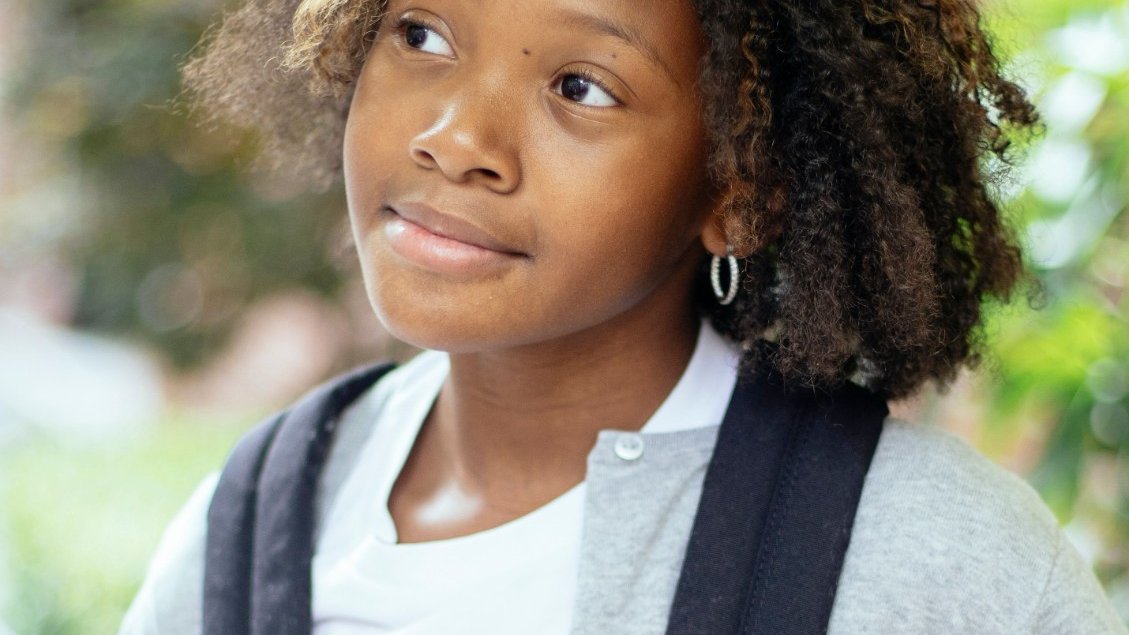
Understanding the signs of school refusal.
Understanding the Reasons Behind School Refusal
School refusal can arise from a multitude of factors, including:
Social or separation anxiety
Bullying or exclusion
Academic difficulties
Learning disabilities
Test anxiety
Fear of making mistakes
Conflict with classmates or teachers
Sensory overload
Changes in friendships
Depression
ADHD or autism
A stressful or embarrassing experience at school
It's important to note that the issue may not be school as a whole; rather, it could be linked to a specific class, teacher, peer group, or part of the school day. A helpful question to ask is, “What part of school feels hardest right now?”
Misunderstandings Faced by Black Girls
Black girls experiencing distress may be mischaracterized as having an “attitude” or being dramatic, leading adults to focus on behavior rather than the underlying anxiety. Some girls may appear fine during the school day, masking their struggles, while their parents witness tears, exhaustion, and irritability at home.
A noticeable change in school attendance or behavior warrants attention, especially if the child previously attended without significant issues.
Steps Parents Can Take
To support a child experiencing school refusal, it’s essential to understand the changes they are facing. Consider asking questions such as:
“What is the hardest part of your school day?”
“Do you feel safe at school?”
“Has anything changed with your friends?”
“Is there a class or situation you have been trying to avoid?”
Additionally, communicating with teachers can help identify patterns. For example, if distress occurs mainly on test days, it may indicate academic anxiety.

Parents can help support their child's mental health.
Moving Forward with Support
Addressing school refusal requires a compassionate approach that acknowledges the unique challenges Black girls face. By fostering open communication and seeking to understand their experiences, parents can help their children navigate these difficult emotions and find affirming mental health support.