When “I’m Fine” Is Not the Truth: Recognizing Depression in Black Girls and Women
Psychology for Black Girls ·
Understanding the Hidden Struggles
She goes to school, completes her work, helps her family, answers messages, and smiles when people ask how she is doing. Her response is automatic: “I’m fine.” But beneath the surface, everything feels heavier.
Depression does not always manifest as someone who cannot get out of bed. It may appear as irritability, exhaustion, withdrawal, or a loss of interest, making it challenging to feel fully present in daily life.
Depression Is More Than Feeling Sad
While everyone experiences sadness and difficult periods, depression is different. Its symptoms can persist and affect various aspects of life, interfering with how a person thinks, feels, sleeps, eats, works, studies, or connects with others.
Possible signs of depression include:
Persistent sadness, emptiness, or hopelessness
Irritability or frustration
Losing interest in activities that once felt enjoyable
Feeling tired even after resting
Sleeping much more or much less than usual
Changes in appetite
Difficulty concentrating or making decisions
Feeling worthless, guilty, or helpless
Moving or speaking more slowly
Feeling restless or unable to settle
Withdrawing from friends and family
Thoughts about death, disappearing, or self-harm
Not everyone will experience every symptom, and the way depression appears can change based on age, personality, circumstances, and available support.
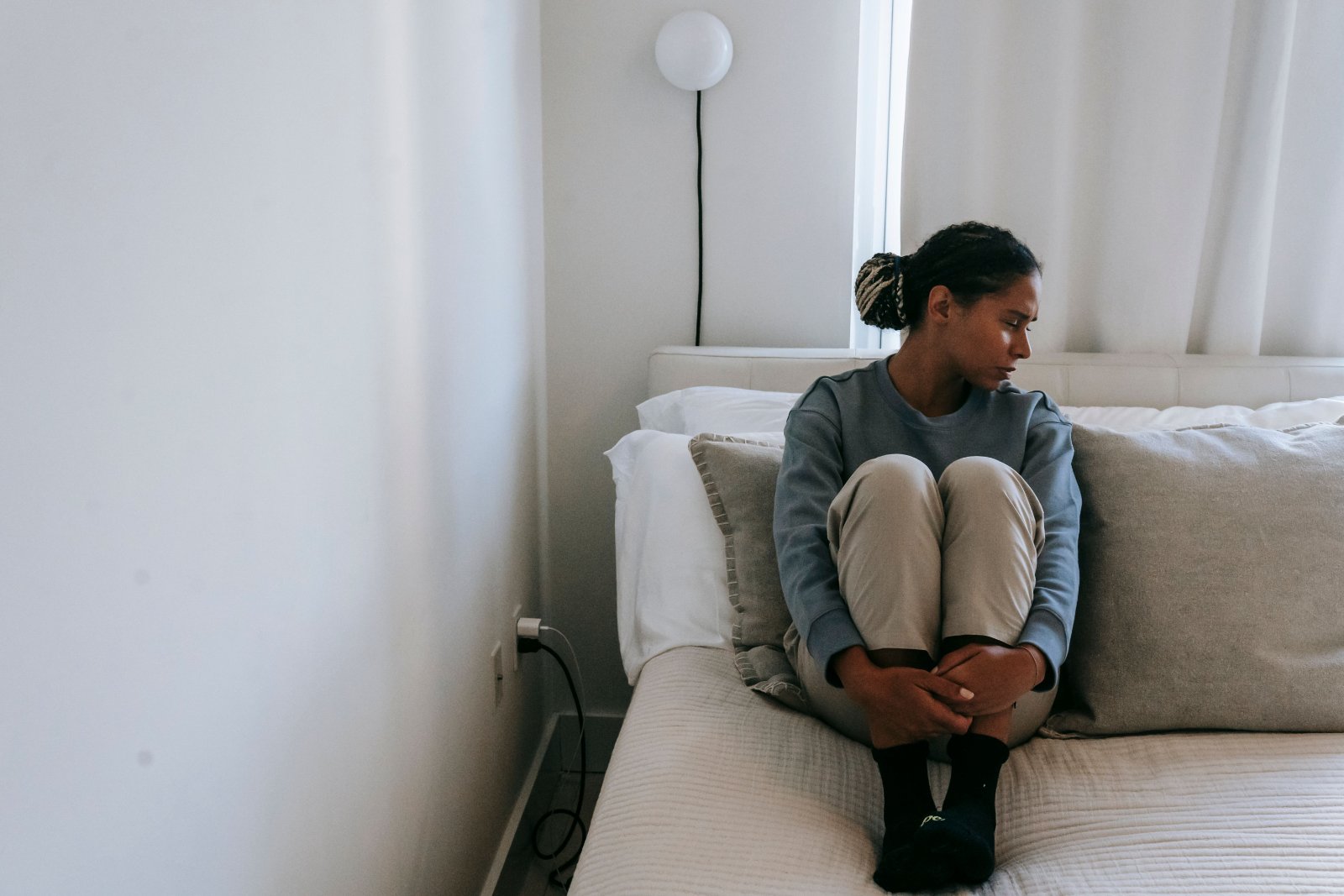
Recognizing the signs of depression can be challenging.
Functioning While Depressed
Some individuals continue to meet their responsibilities while grappling with depression. A Black girl might earn good grades while feeling disconnected and exhausted. A woman may arrive at work on time, care for her children, and answer calls, yet still feel emotionally empty.
She may appear organized out of fear of disappointing others, smile to avoid questions, and keep moving to avoid acknowledging her pain. Functioning does not equate to wellness; it often means learning to hide the burdens she carries.

Supportive conversations can make a difference.
Irritability as a Sign of Depression
Depression is often misperceived as visible sadness, but it can also manifest as anger, impatience, or frustration. A girl may:
Snap at family members
Become upset over small problems
Stop tolerating ordinary noise or conversation
Argue more often
Seem constantly annoyed
Isolate herself in her room
Lose interest in friends
Say that everyone is bothering her
Adults may label her behavior as disrespectful or moody, but it’s crucial to ask: “What changed?” “What is she experiencing?” “Could this behavior be communicating emotional distress?”
Recognizing Fatigue Beyond Tiredness
Depression can significantly impact both emotional and physical energy. Someone may sleep for many hours yet still feel exhausted. Everyday tasks like showering, responding to messages, or preparing meals may require extraordinary effort.
She might say:
“I’m lazy.”
“I do not know what is wrong with me.”
“I should be able to handle this.”
“I have no reason to feel this way.”
It’s essential to understand that depression is not a failure of discipline; fatigue, slowed thinking, and changes in sleep or appetite can be symptoms of this condition.
The Pressure to Be Strong
Black girls and women often receive messages that they must be strong, independent, and responsible, carrying others' burdens without showing their own pain. They may fear being judged as weak or dramatic and often become the person everyone relies on, feeling that their own needs are overlooked.
The stereotype of the endlessly strong Black woman can make vulnerability and seeking help feel unsafe. The American Psychological Association notes that Black women are frequently viewed as caregivers who bear others' burdens without sharing their own struggles.
Strength should not require silence. A person can be resilient and still experience depression. She can love her family and feel overwhelmed, and she can be grateful for parts of her life while still needing professional support.
The Impact of Racism and Chronic Stress
Mental health is deeply intertwined with a person’s environment. Factors such as racism, discrimination, financial pressure, unsafe communities, workplace bias, and family responsibilities can create ongoing stress. Discrimination has been linked to mental health strain among African American communities, and the cumulative effects of racial and gender-related stress can contribute to emotional distress.
Acknowledging these experiences is crucial; it does not mean every Black girl or woman will develop depression. Instead, it highlights the importance of considering the full context of her life when providing mental health support.
How to Offer Support
Support does not always require the perfect words. You might say:
“I have noticed that you do not seem like yourself lately.”
“You do not have to pretend with me.”
“I am here to listen without judging.”
“You do not have to explain everything today.”
“Would you like help finding someone to talk to?”
Avoid saying:
“Other people have it worse.”
“You have too much to be grateful for.”
“You just need to think positively.”
“You do not look depressed.”
“But you are always smiling.”
These responses may pressure the person to defend her pain before she feels she can receive support.
When to Seek Professional Help
Consider contacting a qualified mental health or medical professional when symptoms:
Persist for two weeks or longer
Affect school, work, relationships, or self-care
Cause significant withdrawal
Interfere with sleep or eating
Make ordinary responsibilities feel unmanageable
Include strong feelings of worthlessness or hopelessness
Lead to increased alcohol or substance use
Include thoughts of death, disappearing, or self-harm
Support may encompass therapy, medical evaluation, medication, changes in routine, social support, or a combination of approaches tailored to the individual. If someone is in immediate danger or unable to stay safe, seek urgent emergency or crisis support instead of leaving her alone.
You Do Not Have to Look Broken to Need Help
Depression does not always announce itself through tears. Sometimes it sounds like:
“I’m tired.”
“I don’t care anymore.”
“I just want everyone to leave me alone.”
“I feel like a burden.”
“I’m fine.”
Pay attention to changes rather than waiting for someone to completely fall apart. You do not have to stop functioning before your pain matters. You do not have to prove that you are struggling enough, nor do you need to keep saying “I’m fine” when what you truly need is a safe space to express your truth.
“Strength should not require silence.”
Take Your Emotional Health Seriously
This resource is intended for education and general information. Depression symptoms and support needs differ across individuals. This article is not a substitute for individualized psychological, medical, therapeutic, or emergency support.