The Quiet Child: Recognizing Hidden Emotional Struggles
Psychology for Black Girls ·
The Quiet Child Who Is Struggling
At the parent-teacher conference, the comments can sound reassuring: “She’s so quiet,” “She never causes any problems,” “She follows directions.” While these remarks may seem positive, they raise an important question: Is she doing well, or is she simply not causing anyone else difficulty? These two scenarios are not always the same.
Quiet Is Not a Warning Sign by Itself
Some children are naturally quiet. They may prefer listening before speaking, enjoy solitude, or take time to warm up to new people. There is nothing inherently unhealthy about being quiet. The concern arises when a child's quietness allows their emotional distress to go unnoticed.
Attention Often Follows Disruption
Consider two students having a challenging day. One is disruptive—getting out of her seat, arguing with the teacher, and refusing to complete her work. The other remains silent, sitting quietly at her desk, completing just enough work to avoid attention. Which child is more likely to attract adult intervention? Typically, it’s the first child. The second may be struggling just as much internally, yet creates little disruption externally.
Recognizing Hidden Distress
A child who feels anxious, sad, or overwhelmed may not openly express these feelings. Instead, you might notice subtle changes, such as:
Frequent stomachaches before school
Difficulty falling asleep
Withdrawal from friends
Increased self-criticism
Seeking constant reassurance
Emotional outbursts at home
Avoidance of activities where she might be judged
Spending more time alone
Good grades despite increased effort
While none of these signs alone indicate a mental health condition, the pattern, intensity, duration, and deviation from her usual behavior are what truly matter.
Independence Can Mask Need for Support
While independence is a valuable trait, some children may become overly self-reliant because asking for help feels uncomfortable. They might fear annoying the teacher or believe that needing assistance signifies weakness. As a result, they adapt by keeping their struggles to themselves, leading to the belief that my needs are easier for people when I keep them to myself. This is a crucial insight for adults to recognize.
Grades Are Not the Whole Story
Strong academic performance does not equate to emotional well-being. A child can achieve high grades while grappling with anxiety, completing assignments while sleep-deprived, or feeling lonely despite outward appearances of success. Sometimes, high achievement becomes a coping mechanism, allowing a child to feel safe and in control, while the pressure mounts beneath the surface.
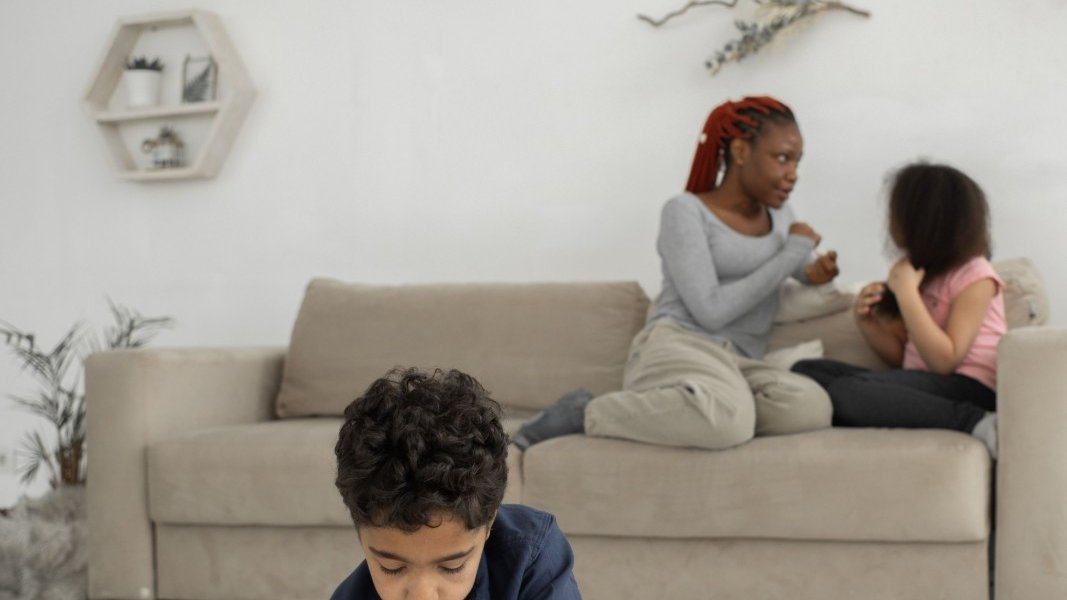
Quietness can sometimes mask deeper emotional struggles.
Understanding the Unique Challenges for Black Girls
Black girls often face societal expectations to be mature, capable, and emotionally controlled. Research indicates that they may be perceived as older and in need of less support than their White peers. This bias can make it even harder for them to express their struggles. A child who appears composed may still need adults to check in on her. Strength and vulnerability can coexist in the same child.
Engaging in Meaningful Conversations
When you ask, “How was school?” and receive a simple “Fine,” consider rephrasing your questions to encourage deeper dialogue. Try asking:
“Who did you sit with at lunch today?”
“What was the hardest part of your day?”
“Was there any moment today when you felt uncomfortable?”
“What class felt easiest today?”
“Did anything happen that you wish had gone differently?”
Creating a relaxed environment, such as during a car ride or while cooking together, can also facilitate more open communication.
Monitoring Behavioral Changes
A key question to consider is: Is this typical for her? Changes in behavior, such as withdrawal from friends or increased anxiety over schoolwork, can indicate deeper issues. Pay attention to shifts in:
Sleep patterns
Appetite
Energy levels
Friendships
School attendance
Physical health
Interest in favorite activities
Overall confidence
Irritability
Tearfulness
Self-criticism
Sometimes, the change itself reveals more than the specific behaviors.
Encouraging Open Communication
Children internalize the messages they hear from adults. If they frequently hear praise for being “the easy one” or “so mature,” they may feel pressured to maintain that identity. It’s essential to balance this with affirmations like:
“You can come to me even when something is messy.”
“You don't have to figure everything out by yourself.”
“You are allowed to have a hard day.”
“Asking for help doesn't make you difficult.”
Children should know that support is available, not just in emergencies.
When to Seek Professional Help
If emotional or behavioral changes persist and interfere with daily life, it may be time to consult a pediatrician, school counselor, or mental health professional. Take any statements about hopelessness or self-harm seriously, even from children who typically appear calm and responsible. Don't assume that someone else will notice if something is wrong.
Looking Beyond Behavior
There is nothing wrong with having a quiet, responsible child. Allow her to be quiet and thoughtful, but ensure her good behavior does not prevent you from checking in on her well-being. Instead of only asking, “Is she behaving?” also ask, “How is she doing?” The answers may reveal a very different story.
Psychology for Black Girls provides educational resources to help Black girls, women, parents, and families better understand emotional and psychological well-being.
This article is for educational purposes and does not replace individualized medical or mental health care. If a child is in immediate danger or is expressing suicidal thoughts or intent, call or text 988 in the United States or seek emergency assistance.

Encouraging open dialogue can help children express their feelings.