Is My Child Struggling in School? When to Consider a Psychoeducational Evaluation
Psychology for Black Girls ·
Your child is bright, curious, and capable, yet school feels harder than it should. Homework may take much longer than expected, and she might avoid reading, forget instructions, struggle to organize her writing, or become emotional when asked to complete certain assignments.
As a parent, you may hear comments like:
“She needs to focus.”
“She is capable when she applies herself.”
“She just needs more practice.”
While some children do benefit from additional instruction or practice, persistent difficulties despite tutoring and classroom support may indicate the need for a psychoeducational evaluation. This evaluation can help uncover the underlying issues that hinder your child’s learning.
What Is a Psychoeducational Evaluation?
A psychoeducational evaluation examines how a child thinks, learns, processes information, and performs academically. It assesses various areas, including:
Intellectual and reasoning abilities
Reading
Written language
Mathematics
Memory
Processing speed
Attention
Executive functioning
Language skills
Emotional and behavioral functioning
The goal is not merely to produce test scores but to identify your child’s strengths, explain areas of difficulty, and provide actionable recommendations for support at school and home.
When Should Parents Consider an Evaluation?
One low grade or a challenging subject does not automatically indicate a learning disability. Children may experience temporary struggles due to missed instruction, stress, illness, or family changes. However, if difficulties persist over time and interfere with school performance, an evaluation may be warranted.
Signs that may prompt consideration of an evaluation include:
Reading slowly or guessing unfamiliar words
Avoiding reading aloud
Forgetting what she has just read
Struggling to organize ideas in writing
Giving detailed verbal answers but writing very little
Making frequent calculation errors
Forgetting instructions shortly after hearing them
Taking much longer than expected to finish homework
Becoming tearful, angry, or anxious during schoolwork
Receiving tutoring but continuing to make limited progress
No single behavior confirms a learning disability; rather, it’s the overall pattern, duration of difficulties, and their impact on the child that matter.
Good Grades Do Not Always Mean Everything Is Fine
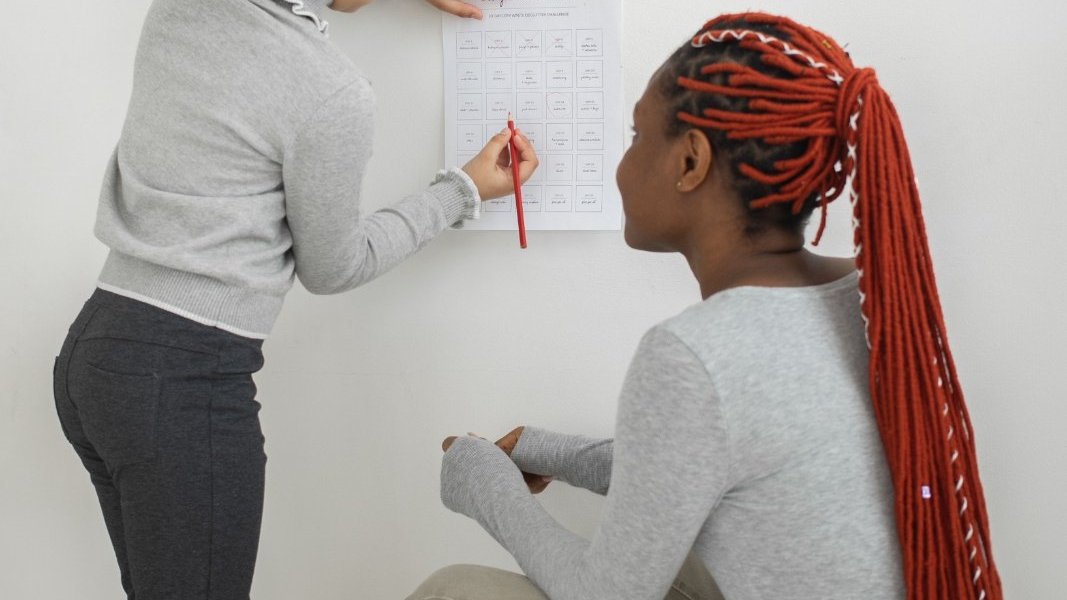
Some children may maintain average or strong grades while putting in far more effort than anyone realizes. They might compensate by:
Spending several hours on assignments
Relying heavily on a parent or tutor
Memorizing information without fully understanding it
Rechecking every answer
Staying quiet when confused
Copying what other students are doing
Sacrificing sleep or free time to keep up
While grades reflect the finished product, they often mask the anxiety, exhaustion, and external support required to achieve them. A child does not need to be failing for an evaluation to be appropriate; sometimes, the concern lies in the effort required to maintain those grades.
Learning Difficulties Are Not a Lack of Intelligence
It’s important to understand that a child can be intelligent and still face learning challenges. For instance, one child might grasp complex ideas but struggle with reading accuracy, while another may articulate thoughts clearly in conversation but have difficulty organizing them in writing.
Such differences can confuse adults, who may say:
“You are too smart to make these mistakes.”
“You understood this yesterday.”
“You can do it when you try.”
While children may know they are capable, they might not understand why certain tasks require so much more effort. A psychoeducational evaluation can help clarify these issues, moving beyond assumptions about motivation to a deeper understanding of their learning processes.
What Happens During the Evaluation?
The evaluation process begins with gathering comprehensive information about the child’s development, health, education, and current concerns. Parents may be asked about:
Developmental history
Medical and mental health history
School performance
Homework routines
Previous diagnoses or services
Tutoring and academic interventions
Family history of learning or attention difficulties
Teachers also contribute insights regarding the child’s classroom performance and behavior. The child then engages in age-appropriate activities, which may include:
Answering questions
Solving puzzles
Reading words or passages
Writing sentences or longer responses
Completing mathematics problems
Following directions
Remembering information
Working under timed conditions
The evaluator observes how the child approaches each task, noting aspects such as whether she needs directions repeated, works accurately but slowly, or becomes distracted. These observations can provide valuable context that scores alone may not reveal.
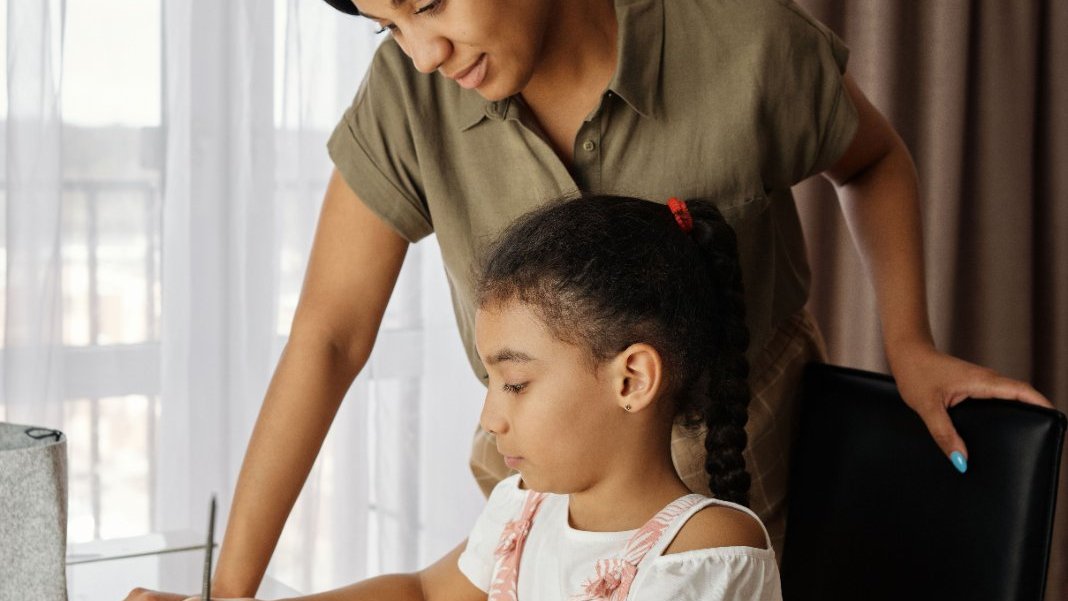
Understanding a child's learning needs is crucial.
What Can the Results Explain?
A psychoeducational evaluation can clarify whether a child’s difficulties stem from:
A specific learning disorder
ADHD
Executive-functioning weaknesses
Language difficulties
Memory weaknesses
Slow processing speed
Anxiety or emotional distress
Intellectual or developmental differences
Autism-related learning needs
A combination of several concerns
For example, two children may both leave assignments incomplete for entirely different reasons—one may be easily distracted, while another may struggle to comprehend the material. Understanding the root cause is essential for providing the appropriate support.
School Evaluation or Private Evaluation?
Parents can request an evaluation through their child’s public school if they suspect a disability is affecting educational performance. A school evaluation typically focuses on whether the child qualifies for special education services and what support may be necessary.
In contrast, a private psychoeducational evaluation delves deeper into learning, attention, memory, emotional functioning, development, and possible diagnoses. Families can share the findings of a private evaluation with the school, allowing the educational team to integrate this information with classroom observations and records.
The choice between a school or private evaluation depends on the family’s specific concerns and the questions they seek to answer.
What Happens After Testing?
Following testing, the evaluator reviews the child’s history, observations, records, questionnaires, and test results. The written report typically includes:
The child’s strengths and weaknesses
An explanation of the findings
Diagnostic conclusions, when appropriate
Recommendations for school and home
Suggested accommodations or interventions
Parents should have the opportunity to ask questions, such as:
What appears to be interfering with her learning?
Are her academic skills consistent with her abilities?
Does she meet criteria for a learning or attention disorder?
What should her teachers understand?
Which accommodations or interventions may help?
What can we do at home?
Understanding the findings in relation to the child’s everyday experiences is crucial for effective support.
Replace Assumptions With Understanding
A child struggling in school may not need more pressure or reminders of her intelligence. Instead, she needs adults to understand how she processes information, where the learning process is breaking down, and what supports can help her demonstrate her knowledge.
A psychoeducational evaluation does not determine how successful a child can become; rather, it provides insights that empower families and educators to better understand the child’s learning needs and identify appropriate support.
Learn More About Psychoeducational Evaluations
This resource is intended for educational and general information purposes. Every child’s academic, developmental, emotional, and behavioral needs are unique. This article is not a substitute for an individualized psychological, educational, medical, or clinical evaluation.