Understanding Physical Symptoms of Anxiety in Black Girls
Psychology for Black Girls ·
When Anxiety Looks Physical
Anxiety often presents itself in ways that are not immediately emotional. For many Black girls and women, physical symptoms like headaches, stomachaches, and nausea can be the first indicators of anxiety. These symptoms may arise in situations that provoke worry, such as before school or during social events.
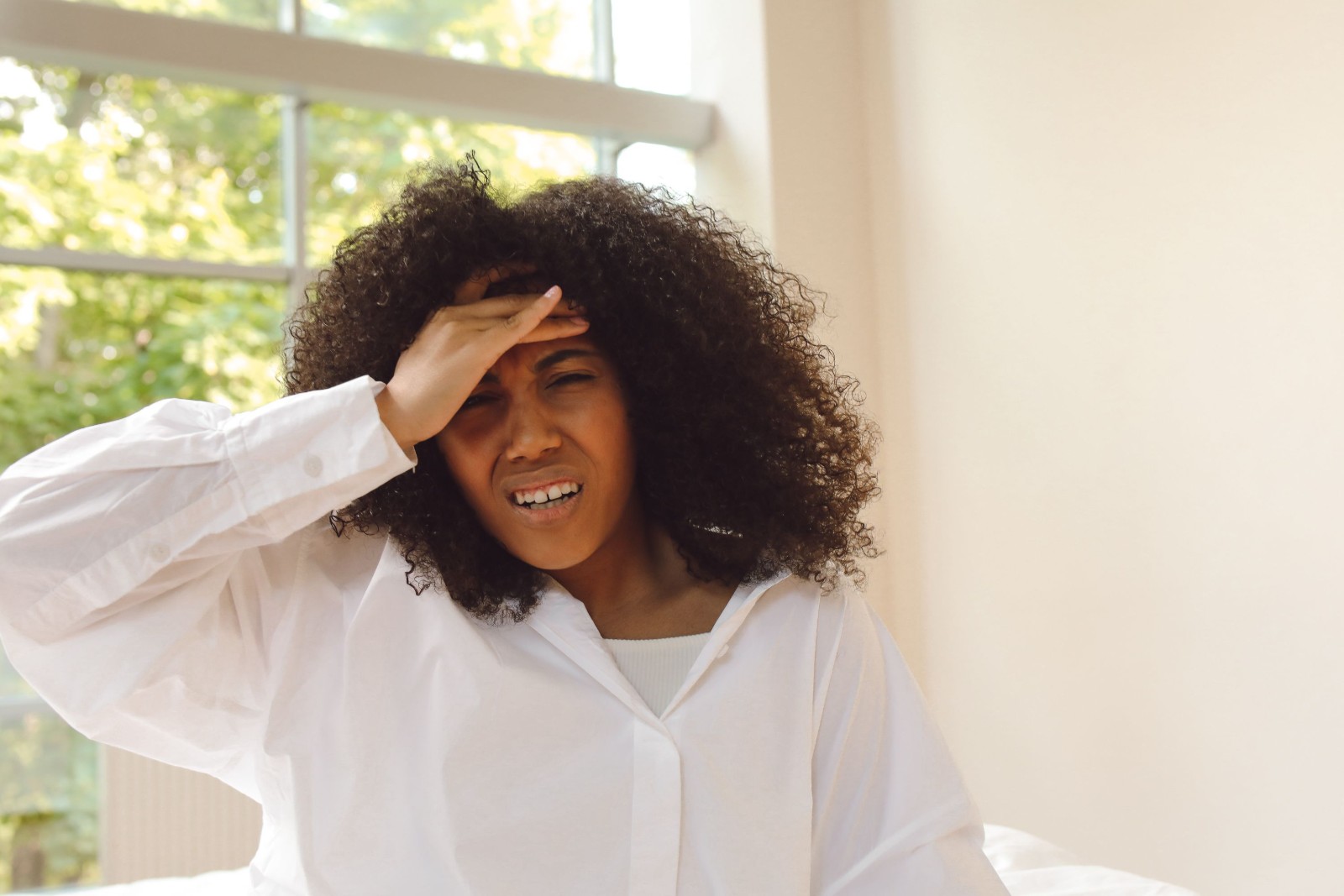
Recognizing anxiety in physical symptoms is crucial.
Recognizing Physical Symptoms of Anxiety
Physical manifestations of anxiety can include:
Headaches
Stomachaches
Nausea
Diarrhea or constipation
Dizziness or lightheadedness
Chest tightness
Shortness of breath
Rapid heartbeat
Shaking or trembling
Muscle tension
Fatigue
Sweating
Feeling hot or flushed
Trouble sleeping
Changes in appetite
These symptoms are real and can occur even when medical tests show no physical cause.
Understanding the Connection Between Anxiety and the Body
The brain and body are intricately linked. When faced with stress or perceived danger, the body activates its stress response, which can be beneficial in true emergencies. However, this response can become problematic when it triggers physical symptoms in non-threatening situations, such as during tests or social interactions.
Support is vital for managing anxiety.
Children's Expressions of Anxiety
Children may struggle to articulate their feelings of anxiety. Instead of saying, “I feel anxious,” they might express discomfort through physical complaints:
“My stomach hurts.”
“I feel sick.”
“My head hurts.”
“I can't breathe right.”
“I feel like I'm going to throw up.”
This can make it challenging for parents and caregivers to recognize anxiety in children, especially when symptoms appear without clear emotional triggers.
The Unique Challenges for Black Girls
Black girls may not always be seen as anxious when their distress manifests through physical symptoms rather than overt emotional expressions. A girl frequently visiting the nurse may be perceived as avoiding class, while a teenager feeling sick before an event might be dismissed as making excuses. This misunderstanding can lead to missed opportunities for addressing the underlying emotional concerns.
Medical vs. Anxiety Symptoms
It’s crucial to differentiate between anxiety-induced physical symptoms and those stemming from medical conditions. Symptoms like headaches and dizziness can have various causes, so persistent or severe symptoms should be evaluated by a healthcare professional. The goal is to consider both medical and emotional factors in understanding the symptoms.
Identifying Patterns in Symptoms
Recognizing patterns can provide valuable insights into the causes of physical symptoms. Consider asking:
When do the symptoms typically occur?
What events precede the symptoms?
Do symptoms improve after stressful situations?
Are they worse before school or work?
Are there specific triggers related to people or places?
Has the individual started avoiding activities due to fear of symptoms?
Tracking these patterns can help families and professionals understand the contributing factors.
Breaking the Cycle of Avoidance
Experiencing physical symptoms can lead to a cycle of avoidance. For instance, a girl who felt nauseated in class may start fearing she will be sick again, leading her to avoid school altogether. This cycle—worry about symptoms, increased anxiety, stronger physical symptoms, and more worry—can perpetuate anxiety over time.
Effective Strategies for Managing Symptoms
To manage physical anxiety symptoms, it is essential to calm both the body and mind. Helpful strategies include:
Slow, controlled breathing
Relaxing tense muscles
Getting regular sleep
Eating consistently
Staying hydrated
Reducing excessive caffeine
Practicing grounding techniques
Preparing for stressful situations
Identifying anxious thoughts
Gradually facing avoided situations
Discussing stress openly
Reassuring a child about their physical symptoms while validating their experience can also be beneficial. Instead of dismissing their feelings, try saying, “I know your stomach really hurts. Let's figure out what your body might be reacting to.”
Seeking Professional Support
Professional support may be necessary when physical symptoms:
Occur frequently
Interfere with daily activities
Lead to absences from school or work
Cause significant fear
Result in avoidance of normal activities
Persist after medical concerns are addressed
Co-occur with ongoing worry, panic, sadness, or irritability
A mental health professional can help determine if anxiety is a contributing factor and teach strategies for managing both physical and emotional responses. Collaboration among families, schools, and healthcare providers can be especially effective for children and teenagers.
Listening to the Body's Signals
Physical symptoms can be the body's way of signaling that stress is becoming overwhelming. While a headache or stomachache may seem like just that, recurring symptoms alongside feelings of fear or avoidance deserve attention. Recognizing the link between anxiety and physical symptoms can lead to better understanding and support.
If you or a Black girl you care about is struggling with anxiety or physical symptoms, the Psychology for Black Girls Directory can connect you with culturally responsive mental health professionals who understand the importance of culture, identity, family, and lived experience.