When Your Daughter Says 'Nobody Likes Me': Navigating Friendship Rejection
Psychology for Black Girls ·
Understanding the Impact of Social Exclusion
She gets in the car after school and barely speaks. You ask what happened, and she replies, “Nothing.” Moments later, she says, “Nobody likes me.” Your instinct may be to reassure her or demand details, but before jumping to solutions, it's essential to understand what she truly means.
When she says “nobody likes me,” it might actually reflect deeper feelings such as:
My best friend sat with someone else today.
Everyone was invited except me.
They have a group chat I'm not in.
Someone made fun of me, and everybody laughed.
I don't know where I belong anymore.
While this statement may sound dramatic to adults, the underlying feelings can be profoundly real.
Friendship Problems Can Hurt More Than Adults Remember
Adults often minimize children's friendship issues, believing that relationships will change over time. They might say:
You’ll make new friends.
Forget about them.
You won’t even remember these girls in five years.
But your daughter is not living five years from now; she is facing these challenges in the present. For children and teenagers, friendships significantly influence their sense of belonging, identity, confidence, and overall school experience. Social rejection can hurt deeply, even without physical threats, and deserves to be taken seriously.
Start With “Tell Me What Happened”
Before offering reassurance, take the time to investigate. Ask her, “Tell me what happened today.” Then, listen closely. Was this a single disagreement, or has a friendship been changing for weeks? Was she deliberately excluded, or did someone embarrass her publicly? Understanding the context is crucial before moving toward a solution.
Distinguishing Between Friendship Conflict and Bullying
Children often experience arguments and jealousy among friends. While friendship conflicts can be painful, they are not always bullying. Bullying involves unwanted aggressive behavior and a power imbalance, which occurs repeatedly. Recognizing this distinction is vital. A friendship disagreement may need communication and problem-solving, while bullying may require adult intervention and a plan to protect your child.
Exclusion Can Be Quiet
Social cruelty is not always overt. Sometimes, exclusion is subtle:
She stops getting invited.
Friends walk ahead without her.
Plans are discussed in front of her without including her.
This kind of exclusion can be challenging for adults to see, but it significantly impacts a girl's sense of belonging.
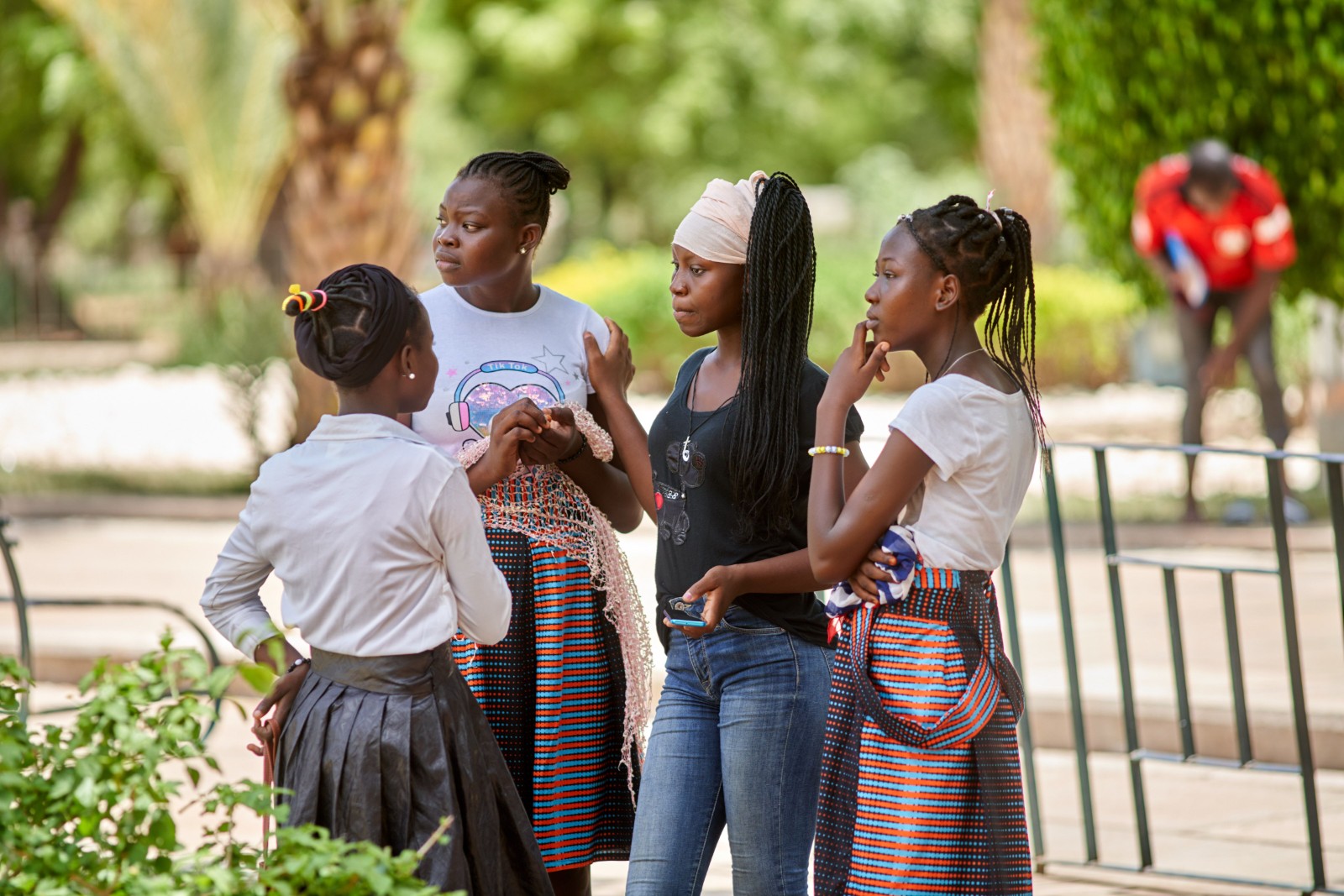
Social exclusion can be hard to recognize.
Social Media Amplifies Rejection
With technology, the distance between school and home has diminished. Children can see who is together without them, watch friendships change in real time, and feel the sting of exclusion through social media. Understanding what is happening on her phone may be crucial in addressing her distress about friendships.
Be Cautious With “They Are Just Jealous”
While it may be tempting to explain rejection as jealousy, doing so can hinder your daughter from learning important lessons about relationships. Instead, help her explore the nuances of her friendships without labeling others as villains.
Ask Whether She Wants Comfort or Help
Sometimes, parents rush to problem-solving before their children are ready. Instead, ask, “Do you want me to listen, or do you want help figuring out what to do?” Her answer may surprise you. Sometimes, she just needs to be heard.
Focus on Meaningful Connections
If your daughter feels rejected, the goal should not be to make her popular. Instead, help her seek out reciprocal friendships. Encourage her to connect with those who respect her and make her feel valued. Sometimes, a single reliable friend is more meaningful than belonging to a larger group that makes her question her worth.
Addressing Racial Dynamics
Black girls may face unique challenges in friendships, including racialized stereotypes. If your daughter mentions these issues, listen carefully and ask questions to understand her perspective. Not every friendship difficulty is rooted in race, so it’s essential to grasp her specific situation.
Encourage Accountability
Supporting your daughter doesn’t mean she’s blameless. Ask her reflective questions like:
“What did you say after that happened?”
“How do you think she felt when you said that?”
“Is there anything you wish you had handled differently?”
These conversations can help her develop important social skills while feeling supported.
Monitor Her Recovery
Many children will face rejection or conflict in friendships. What matters is how your daughter recovers. Watch for signs of distress, such as withdrawing from activities, isolating herself, or expressing feelings of worthlessness. If these issues persist, it may be time to seek professional support.
Help Her Understand Rejection
One of the hardest lessons in growing up is that not everyone will like her. Your role is to help her learn that while rejection hurts, it does not define her worth. So when she says, “Nobody likes me,” respond with empathy: “That sounds like something happened today. Tell me about it.” Then, listen to understand what “nobody” truly means.
“Your job is not to make sure she is never rejected. It is to help her learn that rejection hurts without allowing it to define her worth.”
Psychology for Black Girls provides educational resources to help Black girls, women, parents, and families better understand emotional and psychological well-being.
This article is for educational purposes and does not replace individualized mental health care. If a young person expresses thoughts of suicide, self-harm, or not wanting to live, seek immediate support. In the United States, call or text 988 to reach the Suicide & Crisis Lifeline.
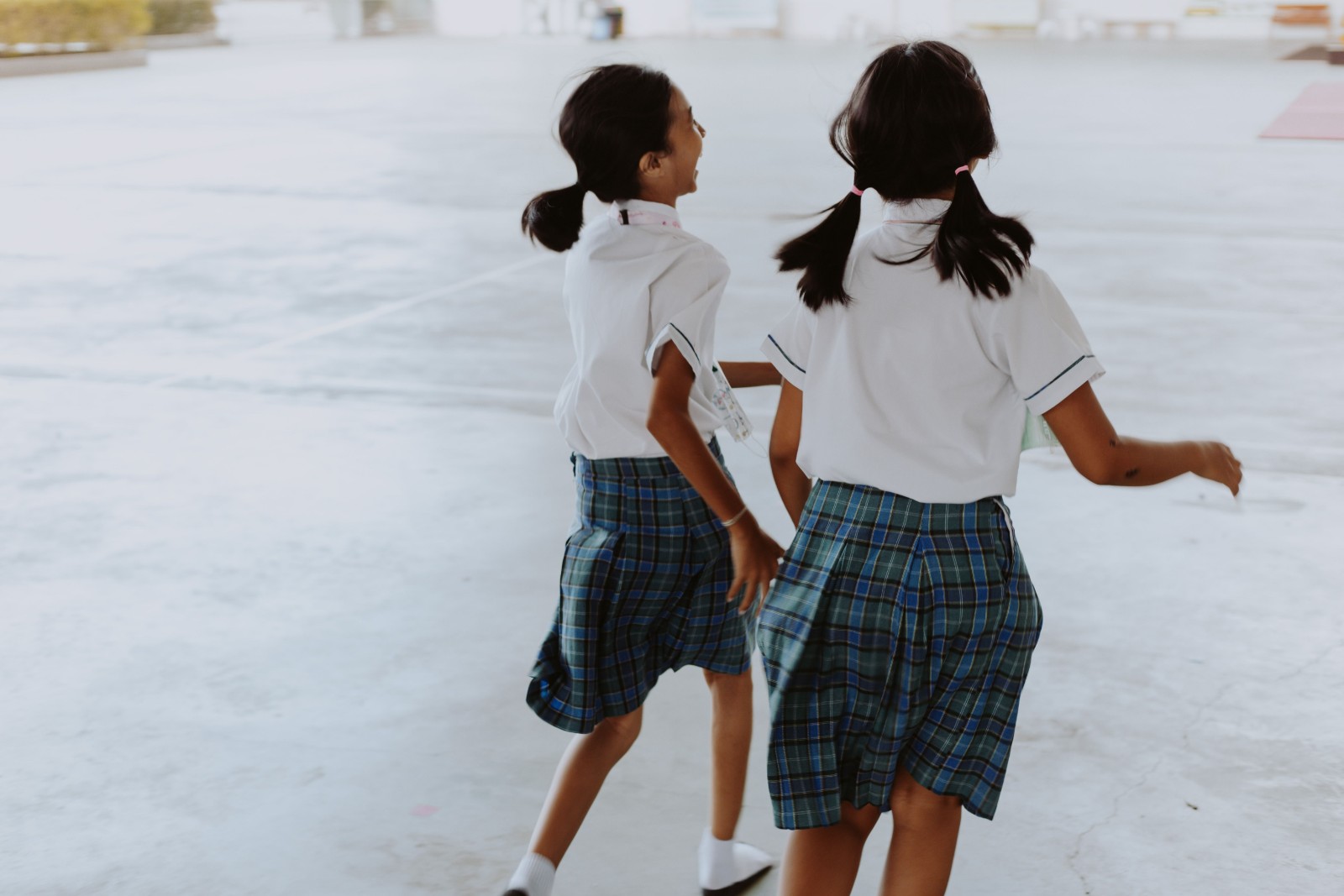
Positive friendships can uplift.