Understanding Night Terrors and Sleepwalking in Children
Psychology for Black Girls ·
Night Terrors and Sleepwalking in Children: Causes, Signs, and What Parents Can Do
You wake up to the sound of your daughter screaming. When you enter her bedroom, she is sitting upright, crying, and looking terrified. Her eyes are open, but she does not seem to recognize you. You try to comfort her, yet she pushes you away. A few minutes later, she settles back into sleep. The following morning, she remembers nothing.
Experiences like this can be frightening for parents. However, they may be caused by night terrors, a sleep disturbance that occurs when a child partially awakens from deep sleep. Other children may experience sleepwalking, during which they get out of bed or move around while still asleep. Both conditions are relatively common during childhood. Understanding their causes, warning signs, and safety precautions can help parents respond appropriately.
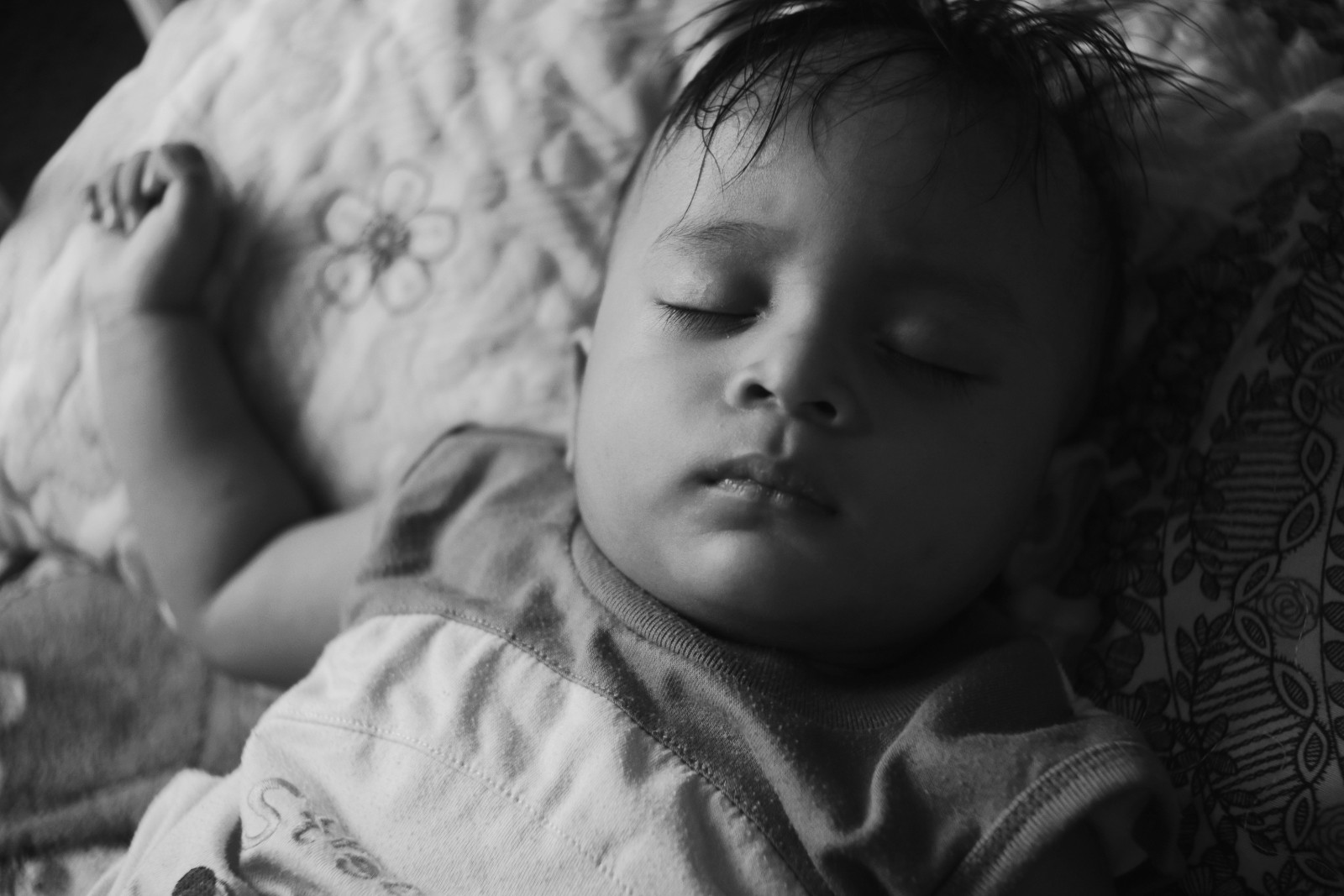
Understanding sleep disturbances in children.
What Are Night Terrors in Children?
Night terrors, also called sleep terrors, are episodes of intense fear or agitation that occur during deep non-rapid eye movement (NREM) sleep. Unlike nightmares, night terrors do not usually involve waking from a frightening dream.
During an episode, a child may:
Scream, cry, or appear extremely frightened.
Sit upright suddenly or move around in bed.
Sweat, breathe rapidly, or have a racing heartbeat.
Keep her eyes open without recognizing familiar people.
Resist attempts to comfort her.
Return to sleep without remembering the experience.
Night terrors typically occur during the first few hours after falling asleep. Although they can appear dramatic, most episodes resolve without lasting harm.
What Causes Night Terrors and Sleepwalking?
Night terrors and sleepwalking are associated with incomplete awakening from deep sleep. During these episodes, some parts of the brain become active while others remain in a sleep state.
Several factors can increase the likelihood of these events, including:
Insufficient sleep or irregular bedtime routines.
Fever or illness.
Stress or significant changes in routine.
Certain medications.
A family history of sleepwalking or night terrors.
Sleep disorders that interrupt normal sleep patterns.
For some children, obstructive sleep apnea or other sleep disturbances may contribute to repeated episodes. Night terrors are not automatically evidence of trauma, emotional distress, or a psychological disorder.
What Is Sleepwalking in Children?
Sleepwalking occurs when a child performs activities while remaining partly asleep. She may sit up, walk around her bedroom, enter another room, or attempt familiar activities without being fully aware of her surroundings. A sleepwalking child may have a blank expression, respond poorly to questions, or appear confused. Most children have little or no memory of the episode the following morning. Although sleepwalking often decreases with age, it can present safety risks when a child approaches stairs, windows, or exterior doors.
Night Terrors vs. Nightmares: How Can Parents Tell the Difference?
Night terrors and nightmares are often confused, but several characteristics help distinguish them:
Night terrorsNightmaresUsually occur during the first part of the nightMore common during the second half of the nightChild remains partly asleepChild wakes from a frightening dreamMay scream or appear terrified without recognizing parentsUsually recognizes parents and seeks comfortDifficult to console during the episodeOften responds to reassuranceUsually has no memory afterwardMay remember the frightening dream
A child who wakes crying and can describe a frightening dream is more likely experiencing a nightmare. A child who appears terrified but remains confused and unresponsive may be experiencing a night terror.
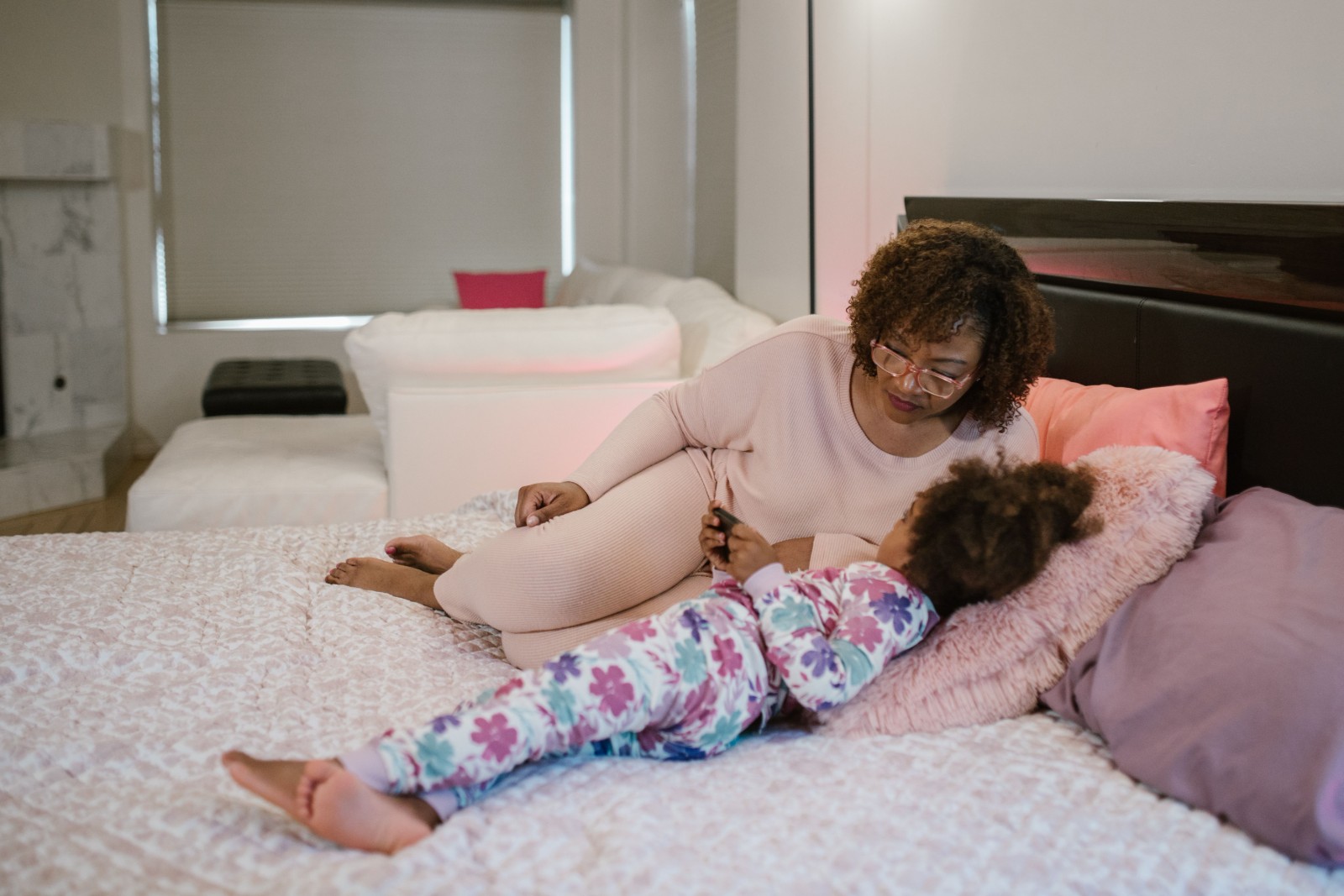
Supporting children during night terrors.
What Should Parents Do During a Night Terror?
The most important response is to remain calm and protect your child from injury. Avoid shaking her, repeatedly questioning her, or attempting to force her awake. Because she is not fully conscious, these actions may increase confusion or agitation. Instead, stay nearby, remove immediate hazards, and allow the episode to resolve naturally. If she attempts to get out of bed, gently redirect her when possible. Most children settle back into sleep without requiring additional intervention.
Is It Dangerous to Wake a Sleepwalking Child?
Waking a sleepwalking child does not inherently cause physical harm. However, suddenly waking her may result in confusion, fear, or agitation. When possible, gently guide her back to bed rather than startling her. The greater concern is preventing injuries while she moves around without full awareness. Parents can improve nighttime safety by:
Keeping floors and hallways clear of obstacles.
Securing windows and exterior doors.
Using appropriate barriers near stairways.
Removing sharp objects and other accessible hazards.
Avoiding upper bunk beds when sleepwalking is a concern.
Considering door alarms when a child is at risk of leaving the house.
These precautions are especially important for children who sleepwalk frequently.
How Can Parents Reduce Night Terrors?
Because sleep deprivation can trigger episodes, improving sleep consistency is often helpful. Establish regular bedtimes and wake-up times, including on weekends when practical. Create a calming bedtime routine and reduce activities that interfere with falling asleep. Parents can also maintain a sleep diary to record when episodes occur, how long they last, and whether illness or reduced sleep preceded them. If episodes occur frequently at approximately the same time each night, a healthcare professional may recommend scheduled awakenings. This involves gently waking the child shortly before the usual episode time. Scheduled awakenings are not necessary for every child and are best used with professional guidance.
When Should You Worry About Night Terrors or Sleepwalking?
Occasional episodes are often harmless, but some symptoms require further investigation. Contact your child's pediatrician when:
Episodes become frequent or progressively worse.
Sleepwalking causes injuries or creates significant safety risks.
Your daughter experiences excessive daytime sleepiness.
She snores loudly or appears to stop breathing during sleep.
Episodes involve unusual stiffening, repeated jerking, or movements that could indicate seizures.
Sleep disturbances significantly affect daytime behavior, concentration, or functioning.
Seek emergency medical attention if your child experiences serious injury, prolonged seizure-like activity, significant breathing difficulties, or persistent altered consciousness. Some neurological conditions can resemble sleep-related parasomnias, making medical assessment important when symptoms are unusual.
Can Night Terrors Affect a Child's Behavior During the Day?
An isolated night terror may not noticeably affect daytime functioning. However, frequent sleep disruptions or an underlying sleep disorder can contribute to fatigue, irritability, difficulty concentrating, and reduced school performance. For example, a child who repeatedly experiences interrupted sleep may struggle to remain attentive during morning lessons. When parents notice changes in mood, behavior, or concentration, sleep quality is an important factor to consider. This is particularly relevant when a child's difficulties are being attributed solely to behavioral or emotional concerns.
Supporting Black Girls With Sleep Difficulties
A Black girl experiencing fatigue or irritability may have her behavior misunderstood if adults do not consider whether she is sleeping adequately. Parents can advocate for a comprehensive assessment that considers sleep routines, medical symptoms, emotional well-being, and daily functioning. It is important not to assume that nighttime disturbances are caused by anxiety, trauma, or behavioral problems without evaluating other possible explanations. Every child deserves an individualized understanding of her symptoms.
Frequently Asked Questions
At what age do night terrors usually start?
Night terrors are most common in young children, particularly toddlers and preschoolers, although older children can also experience them.
Can a child have both night terrors and sleepwalking?
Yes. Both involve incomplete awakening from deep sleep, and some children experience both types of episodes.
Will my child remember a night terror?
Usually not. Children typically have little or no memory of a night terror because they were not fully awake during the episode.
Do children outgrow sleepwalking and night terrors?
Many children experience fewer episodes as they mature. However, persistent, severe, or unusual episodes warrant medical evaluation.
Are night terrors a sign of anxiety or trauma?
Not necessarily. Stress may contribute to episodes, but night terrors are sleep-related events and do not automatically indicate an anxiety disorder or traumatic experience.
Helping Your Daughter Sleep Safely and Comfortably
Night terrors and sleepwalking can be unsettling for families, but many children improve with age and consistent sleep routines. Parents can help by recognizing the difference between night terrors and nightmares, taking appropriate safety precautions, and seeking medical guidance when symptoms become concerning.
The goal is not to prevent every unusual nighttime behavior. It is to keep your daughter safe, understand what may be disrupting her sleep, and obtain appropriate care when necessary.
If sleep difficulties are accompanied by persistent emotional, behavioral, or developmental concerns, a qualified healthcare or mental health professional can help determine whether additional evaluation is appropriate. Psychology for Black Girls connects families with mental health professionals through the PFBG Directory. Families can explore the directory to find a clinician whose expertise matches their concerns.
Psychology for Black Girls provides educational resources supporting the psychological, emotional, and developmental well-being of Black women, girls, and families.
This article is for educational purposes and does not replace individualized pediatric, medical, or sleep-specialist care.