Understanding Hair Discrimination and Its Impact on Black Girls' Mental Health
Psychology for Black Girls ·
Hair Discrimination and Mental Health
Hair is deeply intertwined with identity, culture, and self-expression. For Black girls, however, it can also become a source of unwanted attention and judgment. They may hear comments that their hair is “too big,” “unprofessional,” or “messy.” Such remarks can lead to feelings of inadequacy and self-doubt.
These experiences may seem trivial to those who have not faced similar scrutiny, but when they occur repeatedly, they can significantly impact how a girl feels about herself and her sense of belonging.
Hair Is More Than Appearance
For many Black girls and women, hair represents family, culture, history, and creativity. Styles such as braids, locs, and afros are not just fashion choices; they are expressions of identity.
Negative messages about these styles can lead to internalized beliefs that there is something wrong with their natural appearance. A girl might begin to question:
“Is my hair too much?”
“Do I need to straighten it to look professional?”
“Will people think I look messy?”
“Why does my hair get so much attention?”
“Would people treat me differently if my hair looked different?”
Over time, these questions can erode self-esteem and body image.
Understanding Hair Discrimination
Hair discrimination often manifests in subtle ways. It may include:
Being told that natural hair is inappropriate or unprofessional.
Being asked to change a hairstyle for school or work.
Receiving negative comments about culturally significant styles.
Having hair touched without permission.
Being singled out for a hairstyle deemed “distracting.”
Hearing jokes or stereotypes about Black hair.
Being pressured to alter natural hair.
Seeing similar styles praised on others but criticized on Black girls.
Such experiences can be especially confusing for children and teenagers, as they often come from trusted adults, teachers, or peers.
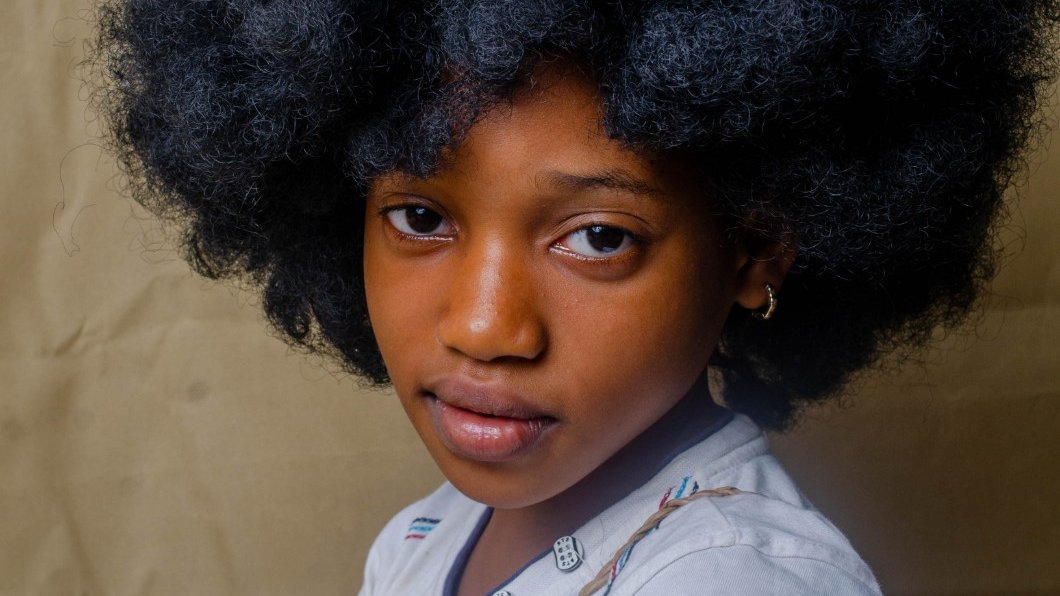
Celebrating the beauty of natural hair.
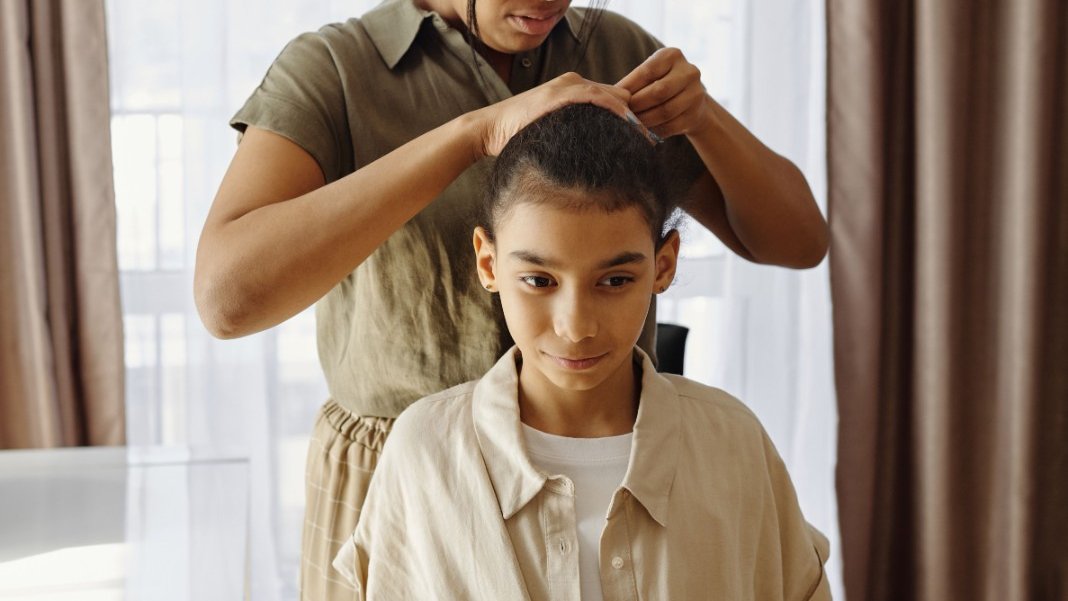
Emotional Management Around Hair
As a result of hair discrimination, a girl may change her behavior to avoid judgment. She might:
Avoid wearing styles she loves.
Feel anxious before social events or presentations.
Spend excessive time trying to achieve an “acceptable” look.
This emotional pressure extends beyond styling; it can create a burden of constantly managing how she presents herself.
The issue is not about caring for appearance, but rather feeling that acceptance hinges on altering a fundamental part of herself.
The Impact on Self-Esteem
Children form ideas about beauty based on their surroundings. If straight hair is consistently labeled as neat and professional, while Black hairstyles are criticized, a girl may start to feel inadequate. She might:
Dislike her natural texture.
Wish her hair were different.
Feel embarrassed by styles that reflect her culture.
These feelings can lead to avoidance of social situations, impacting her overall confidence.
The Pressure to Conform
Hair discrimination does not end in childhood. As Black girls mature, the pressure shifts to concerns about acceptance in college, internships, and the workplace. They may wonder if their natural hair will affect how others perceive their competence and professionalism.
This constant need to assess how they will be treated can be exhausting, making it challenging to simply enjoy their hair.
Supporting Black Girls at Home
Parents and caregivers play a crucial role in fostering a positive environment regarding Black hair. This can include:
Speaking positively about natural textures and protective styles.
Educating children on the history and cultural significance of Black hair.
Avoiding negative comments about hair.
Respecting a child's hairstyle preferences.
Discussing inappropriate comments or unwanted touching.
Helping children practice responses to boundary violations.
Addressing discriminatory policies when necessary.
Listening to a child's experiences is vital, as what seems minor to an adult may feel humiliating to her.
Establishing Hair Boundaries
Black girls should understand that curiosity does not grant permission to touch their hair. Simple responses can empower them:
“Please don't touch my hair.”
“I don’t like people touching my hair without asking.”
“You can ask about my hairstyle, but please don’t touch it.”
Each girl has the right to choose how she responds, and she does not owe anyone an explanation about her appearance.
When to Seek Additional Support
If concerns about hair lead to persistent sadness, anxiety, or low self-esteem, seeking help from a culturally responsive mental health professional can be beneficial. Such support can help a girl navigate the impact of discrimination and beauty standards on her self-perception.
The goal is not to dismiss the importance of appearance but to foster a sense of worth that is independent of others' judgments.
Embracing Natural Beauty
Black girls deserve to know that their natural features are not problems to be corrected. Hair can be styled or worn naturally based on personal choice, not because they feel pressured to conform.
When adults challenge hair discrimination and affirm Black beauty, they send a powerful message: Your hair does not diminish your worth or capabilities.
If you or a Black girl you care about is struggling with issues related to hair discrimination or self-esteem, the Psychology for Black Girls Directory can connect you with culturally affirming mental health professionals who understand the significance of culture and identity.