Dyslexia in Black Girls: Understanding Missed Reading Difficulties
Psychology for Black Girls ·
Dyslexia in Bright Black Girls
A girl may be curious, articulate, and creative, yet still struggle with fluent reading, consistent spelling, or recalling familiar words. Adults often assume that bright children simply need to try harder, leading to suggestions to slow down, pay more attention, or practice more. However, when reading remains unusually difficult despite effort and instruction, dyslexia may be part of the picture.
Dyslexia is a learning disorder that primarily affects the development of accurate and fluent word reading and spelling. It is not a reflection of low intelligence, laziness, or lack of motivation. A child can be highly intelligent and still experience dyslexia.

Recognizing signs of dyslexia in bright students.
Recognizing Signs of Dyslexia
Dyslexia manifests differently in each child. Possible signs include:
Reading more slowly than classmates
Difficulty sounding out unfamiliar words
Guessing words based on the first letter or context
Frequently losing her place while reading
Avoiding reading aloud
Struggling to remember how words are spelled
Spelling the same word differently within one assignment
Difficulty with rhyming or breaking words into individual sounds
Needing additional time for reading-heavy assignments
Understanding material better when read aloud
Feeling tired or frustrated during reading
Providing stronger verbal answers than her written work suggests
Some girls may perform well enough to pass their classes while exerting significantly more effort than their peers, making their struggles easier to overlook.
Good Grades Do Not Rule Out Dyslexia
A common misconception is that a child must be failing academically for concerns about learning disorders to arise. Many bright students develop compensatory strategies. A girl may memorize familiar words, rely on context, listen intently during lessons, study extensively, or seek help from family members.
While her grades may remain average or above, the effort required to maintain those grades can be immense. She may spend hours on assignments that classmates complete quickly, avoid reading for pleasure due to exhaustion, and understand material when read to her but struggle with independent reading. Academic success does not equate to ease in reading.
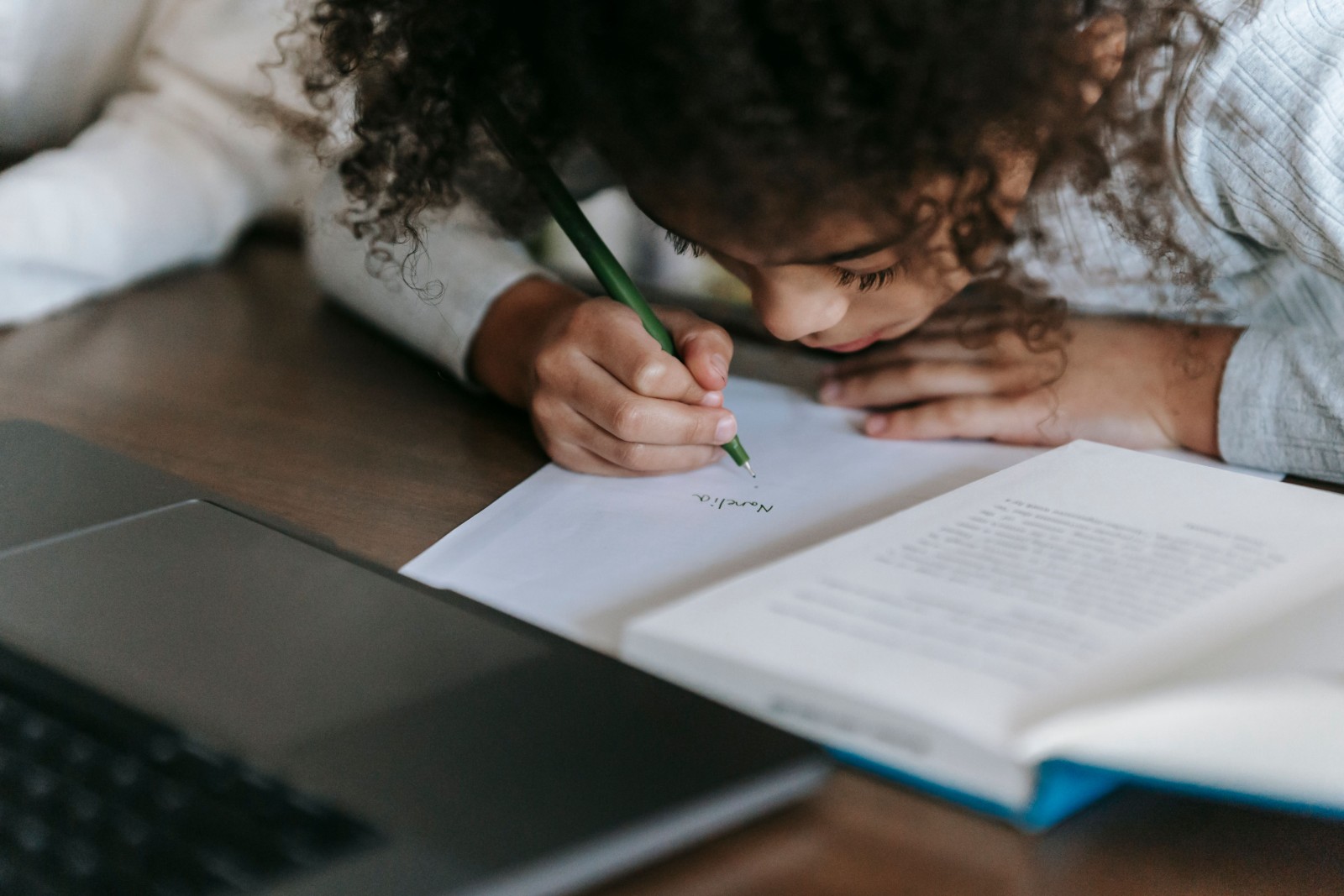
Supportive environments can enhance learning.
Why Dyslexia May Be Overlooked in Black Girls
Learning difficulties can be misinterpreted, leading to overlooked signs. A Black girl who hesitates while reading might be seen as unprepared, while a student who avoids reading aloud may be labeled as shy. Frustration during literacy activities can be misinterpreted as a lack of effort or attitude.
Some girls may remain quiet and compliant, making their challenges less noticeable than those of more disruptive students. Additionally, there is often a focus on whether a student is passing rather than on whether she is developing the necessary reading skills. This is why it is crucial to examine how a child learns, not just her final grades.
Dyslexia Is More Than Just Reversing Letters
Many associate dyslexia with reversing letters, such as confusing b and d. However, letter reversals alone do not define dyslexia. It is more accurately described as difficulty in developing efficient word-reading and spelling skills.
A child with dyslexia may struggle to connect letters with sounds, recognize familiar words quickly, decode new words, or spell words she already knows. She may excel in understanding spoken language while finding printed language significantly more challenging.
Reading Comprehension Can Be Misleading
Some children with dyslexia demonstrate strong comprehension skills when they can access the words. For instance, a girl may easily explain characters, themes, and details of a story when listening. However, when tasked with reading the same material independently, she may struggle because so much mental energy is devoted to identifying the words. This distinction is important: difficulty reading the words is not the same as difficulty understanding the ideas.
A child may possess excellent reasoning abilities yet still require specialized instruction in reading.
The Emotional Impact of Struggling to Read
Repeated academic challenges can extend beyond school performance. A girl may notice her classmates finishing reading assignments before she does, leading to anxiety about being called on unexpectedly. She might compare herself to siblings or friends, questioning why something that appears easy for others feels so difficult for her.
Over time, this can contribute to:
Low academic confidence
Anxiety about school
Avoidance of reading
Embarrassment
Perfectionism
Frustration or irritability
Reluctance to ask for help
Believing she is “bad at school”
Some children become adept at concealing their confusion, as admitting difficulty can feel more embarrassing than quietly struggling. Recognizing the learning problem can help differentiate between “reading is difficult for me” and “I am not smart”.
What Parents Can Look For at Home
Parents may notice signs at home that are less apparent in the classroom. A child may:
Avoid books despite enjoying stories
Ask others to read instructions
Become frustrated with homework that involves extensive reading
Memorize books instead of reading the words
Struggle to spell common words
Misread familiar signs or words
Require repeated assistance with the same reading skills
Prefer audiobooks or videos over written information
Take longer than expected to complete assignments
Express difficulty remembering words even after practice
These patterns do not automatically indicate dyslexia, but persistent difficulties warrant attention.
When an Evaluation May Be Helpful
If reading or spelling difficulties persist despite appropriate instruction and practice, parents should consider discussing their concerns with the school or seeking an evaluation. A psychoeducational or neuropsychological evaluation can assess areas such as:
Reading accuracy
Reading fluency
Phonological processing
Spelling
Written language
Attention and executive functioning
Cognitive abilities
Academic achievement
The goal is not merely to label a child but to clarify why she is struggling and what type of instruction or accommodations may help.
What Support Can Look Like
Students with dyslexia often benefit from explicit, systematic reading instruction that teaches the relationship between sounds and written language. Depending on the child's needs, school supports may include:
Additional time for reading-heavy assignments
Audiobooks or text-to-speech technology
Reduced pressure to read aloud unexpectedly
Access to written and verbal instructions
Extra time on tests
Structured reading intervention
Support with spelling and written expression
While accommodations do not replace the need for specialized instruction, they help reduce barriers as the child develops her skills.
Difficulty Reading Does Not Define Intelligence
A child can struggle with reading yet excel as a problem-solver, storyteller, artist, scientist, leader, or critical thinker. Dyslexia describes a specific area of learning difficulty; it does not define the limits of a child's intelligence or potential. When adults recognize reading difficulties early, provide appropriate instruction, and nurture a child’s confidence, she is more likely to understand both her needs and strengths.
If reading, spelling, learning, or academic concerns are affecting your child, the Psychology for Black Girls Directory can help you connect with culturally responsive professionals who understand the importance of considering the whole child, including her learning profile, identity, strengths, and lived experiences.