Dissociative Identity Disorder in Black Women: Understanding the Signs
Psychology for Black Girls ·
Understanding Dissociative Identity Disorder
Dissociative Identity Disorder (DID) is a complex mental health condition characterized by disruptions in identity, involving two or more distinct personality states and recurrent gaps in memory that exceed ordinary forgetfulness. These disruptions can significantly affect a person’s sense of self, awareness, emotions, behavior, memory, and perception.
Some individuals may notice changes in how they communicate or interact with others, while for others, these changes may remain largely internal and unnoticed by those around them. Common experiences include feeling disconnected from one’s actions, grappling with conflicting internal states, or struggling to recall everyday events.
Importantly, DID is not merely about having different moods or behaving differently in various social contexts. It involves clinically significant disruptions that can cause distress and interfere with daily functioning.
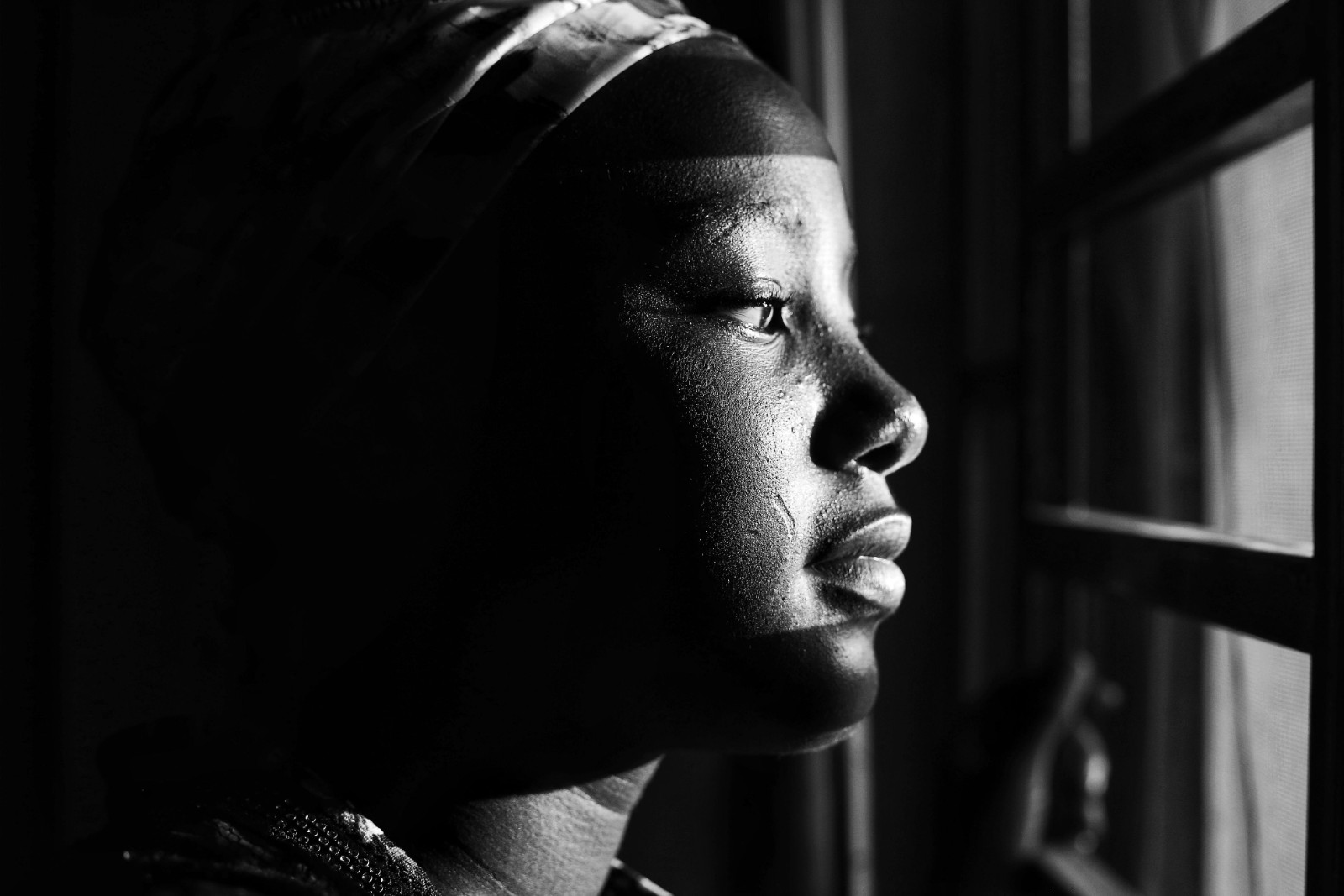
Understanding the complexities of DID.
Recognizing Overlooked Signs
DID manifests differently for each individual, and symptoms can vary widely. Some possible signs include:
Recurrent memory gaps for daily activities or crucial personal information.
Feeling disconnected from one’s thoughts, actions, emotions, or identity.
Finding evidence of activities that one cannot recall completing.
Experiencing involuntary changes in one’s sense of self.
Feeling detached from one’s body or surroundings.
Struggling to maintain consistency in relationships, work, or daily responsibilities due to memory disruptions.
Additionally, individuals may experience anxiety, depression, sleep disturbances, self-harm, or symptoms related to post-traumatic stress. However, these signs are not exclusive to DID and can occur in other psychiatric, neurological, or medical conditions. A thorough evaluation by a qualified professional is essential for an accurate diagnosis.
The Trauma Connection
DID is often linked to histories of overwhelming and repeated trauma, particularly during childhood. Dissociation serves as a psychological response to experiences that feel unmanageable. For some, severe disruptions in memory, identity, and awareness may arise from early traumatic experiences.
However, it is crucial to note that not everyone who experiences trauma will develop DID. Many individuals face significant adversity without developing a dissociative disorder. Therefore, it is vital not to assume that someone has a particular trauma history based solely on their dissociative symptoms. A careful assessment should consider a person's experiences without pressuring them to disclose events they cannot recall.

The importance of culturally responsive care.
Barriers to Recognition for Black Women
Black women often encounter unique barriers when seeking mental health care, including racial stereotypes, limited access to culturally responsive specialists, and concerns that their experiences may not be taken seriously. Describing dissociative symptoms can be challenging, especially when there is fear of judgment or misunderstanding.
Some women may interpret their experiences through spiritual, cultural, or personal lenses. A culturally responsive clinician will explore these interpretations with respect, rather than dismissing unfamiliar beliefs as mere symptoms of mental illness. Nonetheless, persistent memory disruptions and involuntary changes in identity require careful clinical attention, and accurate diagnosis necessitates an understanding of both the symptoms and the cultural context in which they occur.
DID vs. Schizophrenia
It is essential to distinguish between DID and schizophrenia, as they are different psychiatric conditions. Schizophrenia is a psychotic disorder characterized by hallucinations, delusions, disorganized thinking, and changes in motivation or cognitive functioning. In contrast, DID primarily involves disruptions in identity, memory, and the integration of conscious experience.
Some individuals with DID may report hearing internal voices or experiencing symptoms that resemble psychosis, making careful differential diagnosis crucial. Importantly, neither condition implies that a person is inherently dangerous. The misconception that schizophrenia involves multiple personalities is incorrect, and understanding these distinctions can help reduce stigma and encourage individuals to seek appropriate evaluations.
Diagnosis and Treatment of DID
There is no single laboratory test or brain scan that can confirm DID. Diagnosis involves a comprehensive clinical assessment that evaluates memory difficulties, identity disruptions, dissociative experiences, trauma-related symptoms, and daily functioning. Clinicians may utilize structured interviews and specialized assessment tools as needed, while also considering other possible explanations for the symptoms.
Psychotherapy remains the primary treatment approach for DID. Treatment focuses on safety, stabilization, emotional regulation, and developing strategies to manage dissociative symptoms before delving into traumatic memories. A therapist may assist individuals in enhancing their awareness of emotional and identity changes, reducing memory-related disruptions, and fostering more consistent daily functioning.
While there is no medication specifically approved for DID, medications may be prescribed for co-occurring conditions such as depression or anxiety when clinically appropriate. The ultimate goal is to improve safety, functioning, and continuity of experience, rather than forcing a person into a specific understanding of their identity.
When to Seek Help
Occasional forgetfulness or feelings of disconnection during stressful times do not necessarily indicate a dissociative disorder. However, recurrent unexplained memory gaps, significant changes in identity or awareness, or symptoms that disrupt relationships and daily responsibilities warrant professional evaluation. It may also be necessary to undergo a medical assessment to rule out neurological or other physical causes.
If you are experiencing these concerns, consider reaching out to a licensed mental health professional with training in trauma and dissociation. You do not need to arrive at the appointment with a diagnosis in mind; simply describing your experiences, when they began, and how they impact your life is a valuable starting point.
Moving Towards Understanding
Dissociative Identity Disorder is not a sensationalized character trait or a source of entertainment. It is a serious and intricate mental health condition that requires thoughtful assessment and individualized care. For Black women, receiving appropriate support means having access to professionals who listen without judgment, respect cultural experiences, and avoid making assumptions based on stereotypes.
You deserve an explanation for distressing experiences that is grounded in careful evaluation, not fear, shame, or sensationalized portrayals of mental illness.
Psychology for Black Girls is committed to providing educational resources that support the emotional and psychological well-being of Black women, girls, and families. This article is intended for educational purposes and does not replace individualized medical or mental health evaluation. Seek urgent professional assistance if dissociative symptoms involve immediate safety risks, severe confusion, or thoughts of self-harm.