Is Colorism Affecting Her Confidence? What Parents Should Notice and Say
Psychology for Black Girls ·
A seemingly small comment can carry immense weight for a Black girl. Phrases like, “Do not stay in the sun too long, you are already dark,” or “She is pretty for a dark-skinned girl,” are often dismissed as harmless teasing by adults. Yet, these statements can quietly embed themselves in a girl’s mind, shaping her self-perception for years to come.
She may begin to compare her complexion with others, questioning if darker skin makes her less attractive, less feminine, or less worthy of attention. While parents cannot shield a girl from every harmful message, you can equip her to recognize that the message is the problem, not her beautiful skin.
Understanding Colorism and Its Impact
Colorism is prejudice or unequal treatment based on skin tone, typically favoring lighter skin over darker skin. This bias can manifest between racial groups and, unfortunately, within Black families, friendships, schools, and even in media portrayals.
It's more than just a preference for a particular complexion; colorism becomes harmful when skin tone is linked to assumptions about beauty, intelligence, social status, or worth. Research consistently links experiences of colorism to poorer self-esteem and body image, particularly for Black adolescent girls who may associate lower satisfaction with their skin color with broader body-image concerns.
Research consistently links experiences of colorism to poorer self-esteem and body image.
Listen for What She Is Starting to Believe
A girl may not use the word “colorism,” but her words can reveal its influence. Listen for phrases that indicate she's internalizing harmful messages:
“I wish I was her color.”
“I look dirty in pictures.”
“People do not like dark girls.”
“I do not want to get any darker.”
“This color does not look good on my skin.”
“The lighter girls always get chosen.”
Instead of immediately correcting her, ask open-ended questions to understand the source of her feelings. Inquire, “Did someone say something to you?” or “When did you begin feeling this way?” The goal is to understand what's shaping her beliefs, not to shame her for having them.
Correct Colorist Comments in the Moment
Children observe what adults challenge and what they allow. When a relative makes a colorist comment, address it calmly and directly. Your clear statement tells your daughter that you heard the comment and that she doesn't have to defend herself alone.
You might say:
“We do not rank beauty by skin tone.”
“Her complexion is not something that needs to be corrected.”
“Please do not make comments about getting darker around her.”
“All of the children in this family deserve to hear that their skin is valued.”
You don't need to initiate a lengthy argument. A firm, concise response is enough to signal your stance and protect your daughter. Remember, silence can often be interpreted as agreement.
Watch the Compliments You Give
Parents can unintentionally reinforce colorism even when trying to build confidence. Statements like, “You are dark, but you are still beautiful,” or “You may be darker than your sister, but you have nicer hair,” still imply that her complexion needs a qualifier or that another feature must compensate for it.
Instead, offer unconditional affirmations:
“Your skin is beautiful.”
“I love how that color looks on you.”
“You do not need to resemble anyone else to be worthy.”
“You deserve to feel at home in your appearance.”
Compliment her complexion without making it the sole focus of your praise. Also, celebrate her humor, creativity, kindness, courage, ideas, effort, and personality to foster a holistic sense of self-worth.
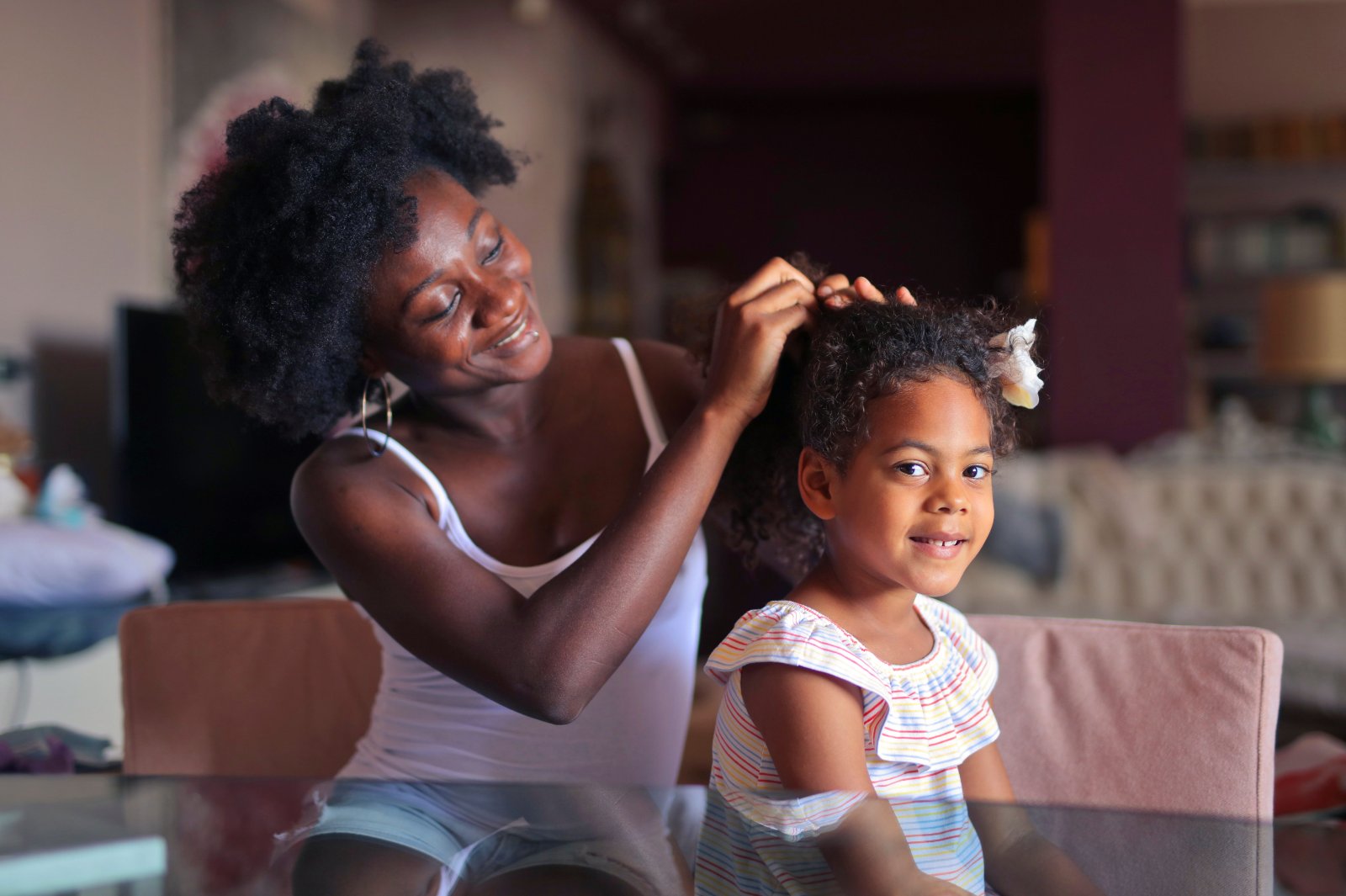
Encourage her to embrace her unique beauty and challenge unrealistic beauty standards.
Do Not Compare Sisters, Cousins, or Friends
Colorism often takes root within families when children are repeatedly labeled by their complexion, such as “the light one” or “the dark one.” Even when adults believe they are making neutral observations, children may perceive a ranking system.
Use their names and avoid comparisons about who looks more like which parent, who will be more attractive, or who receives more attention based on appearance. It's crucial to remember that a lighter-skinned girl can also be harmed when her identity is reduced to her complexion, or when she's questioned about being “Black enough.” The goal is to remove skin-tone rankings from the family dynamic entirely.
Help Her Question What She Sees Online
Social media can expose girls to a constant stream of edited images, beauty filters, skin-lightening content, and praise that favors certain complexions. Engage with her about what she encounters online.
Ask questions like: “Which girls seem to receive the most attention?” “What kinds of comments do people make about skin tone?” “Do these images look natural or edited?” and “How do you feel after watching this content?” This helps her critically analyze the messages she's receiving.
Colorism is a system that often privileges lighter skin and Eurocentric features while devaluing darker skin and Afrocentric features. Encourage her to follow creators, artists, and public figures with varied complexions and features. Representation should include dark-skinned girls being joyful, ordinary, protected, successful, loved, and fully themselves.
Take School and Peer Comments Seriously
Teasing about complexion should never be dismissed as mere joking. If your daughter reports being called names, excluded, or targeted at school because of her skin tone or hair, take it seriously. Document the details:
What was said
Who was involved
Where it happened
Whether adults witnessed it
How the school responded
Whether the behavior continued
Hair discrimination, often linked to broader racialized appearance standards, can also significantly affect a girl's well-being. Your daughter should never feel compelled to change her skin, hair, or features to avoid mistreatment.
Open communication helps her process difficult experiences and feel supported.
Model the Message at Home
Children are observant. They notice when adults in the home avoid photographs for looking “too dark,” praise babies for being light, criticize darker relatives, or express fear about tanning. You can acknowledge the existence of colorism without teaching her to fear her own appearance.
Try saying:
“Some people have been taught unfair ideas about skin tone. Those ideas are wrong.”
“Being treated differently does not mean there is something wrong with you.”
“You can tell me when someone makes you uncomfortable.”
“I will help you decide what to do next.”
True confidence doesn't require pretending that bias doesn't exist. It means helping her understand that mistreatment is never evidence of her inferiority.
Know When She May Need More Support
Consider seeking professional support if concerns about complexion begin to affect her eating habits, social life, school attendance, mood, relationships, clothing choices, or willingness to participate in activities. Pay close attention if she repeatedly insults her appearance, attempts unsafe skin-lightening practices, withdraws from others, or appears persistently sad or anxious.
A culturally responsive therapist can provide affirming mental health support, helping her process experiences of colorism, identity, body image, bullying, and self-worth within her cultural context.
Make Home the Place Where She Is Never Ranked
You cannot control every message a Black girl will hear outside your home, but you have full control over the messages she receives within it. Do not allow relatives to rank children by complexion, laugh at skin-tone jokes, or treat lighter skin as a prize while darker skin is something to be overcome.
Let her hear clearly and consistently:
Your skin does not need an apology.
Your beauty is not a comparison.
Your complexion does not determine your intelligence, femininity, opportunities, or right to be loved.
This week, pay attention to the language used about skin tone in your family. Make a conscious effort to correct one harmful comment, initiate one honest conversation, and ensure the Black girls in your life hear what you value about them beyond their appearance.