Living With Chronic Pain: Navigating Mental Health Challenges
Psychology for Black Girls ·
Understanding the Impact of Chronic Pain
Before saying yes to dinner, you think about the chairs. Before making weekend plans, you wonder how much walking will be involved. Before leaving the house, you calculate whether you have enough energy for the trip there, the activity itself, and the trip home.
You may know which grocery store has the shortest walk from the parking lot, which shoes you can tolerate, and which side of the bed hurts less. You may even know how long you can sit before you need to move. When someone casually asks, “Are you feeling better?” you may find it difficult to answer.
When pain has persisted for months or years, the concept of “better” becomes complicated. Chronic pain affects the body, but it also alters how you sleep, work, socialize, think, plan, and feel. This doesn’t mean the pain is psychological; it signifies that pain impacts your entire life.
Pain Takes Up Mental Space
Imagine trying to concentrate while an alarm is sounding somewhere in the room. Even if you eventually become accustomed to the noise, part of your attention keeps noticing it. Persistent pain operates similarly.
You may find yourself answering emails while monitoring your back, listening to your child while trying to find a position that hurts less, or sitting in a meeting while wondering whether standing up will exacerbate the pain. This constant monitoring can be exhausting, leaving you mentally drained by the end of the day, even if someone looking at your schedule thinks you “didn't do much.” They cannot see everything your brain was managing simultaneously.
The Unpredictability of Pain
Sometimes you can do something on Tuesday that you cannot do on Thursday, which can be difficult for others to understand. “But you went shopping yesterday.” “You were fine at the party.” “I saw you walking without a problem.” A good day does not necessarily mean the condition has disappeared, and participating in enjoyable activities does not prove that you are free from pain.
Sometimes, people participate despite pain, only to pay for that activity later with increased symptoms or exhaustion. This unpredictability can make planning stressful, leading you to hesitate before committing to something because you genuinely do not know what your body will allow that day. Eventually, people may stop inviting you because you cancel, or you may force yourself to attend out of fear of being excluded. Neither option feels good.
Emotional Effects of Chronic Pain
When your body hurts day after day, patience can become harder to access. You may feel irritable, discouraged, or more prone to tears. Anger may arise about what your body will not let you do, and anxiety may build around when the next flare will occur. You may grieve the version of your life that existed before pain became a constant companion.
Chronic pain is associated with an increased risk of depression and anxiety. However, experiencing emotional effects from chronic pain does not indicate weakness, exaggeration, or failure to cope. Living with persistent physical discomfort is demanding, and mental health deserves as much attention as physical health.
The Challenge of Diagnosis
For many, obtaining an explanation for chronic pain can take time, involving appointments, referrals, imaging, bloodwork, and consultations with various specialists. Sometimes a clear diagnosis is found; other times, the answer remains elusive. This uncertainty can be distressing, particularly when normal test results are interpreted as evidence that the pain is not real.
A medical test can answer specific questions but cannot determine whether someone is experiencing pain. If you feel your symptoms are being dismissed, it is reasonable to ask what has been ruled out, what possibilities remain, and whether another evaluation or specialist may be appropriate.
The Importance of Being Believed
One of the hardest aspects of chronic pain is not just the pain itself but also the struggle to convince others that you are hurting. Black women may face additional challenges due to documented racial disparities and bias in pain assessment and treatment within healthcare. This history can affect how safe it feels to seek care, ask questions, or disagree with a provider.
You deserve medical conversations in which your symptoms are taken seriously. Arriving with specific information about your pain can help: Where does it hurt? What does the pain feel like? What makes it worse or better? How long does it last? What activities can you no longer do, or do differently because of it? Instead of simply stating, “My pain is an eight,” describing what the pain prevents you from doing can provide your healthcare provider with valuable context.

Chronic pain can affect daily life and mental health.
Sleep and Pain: A Vicious Cycle
Pain can disrupt sleep, making it difficult to fall asleep, causing awakenings during the night, and making it hard to find a comfortable position. This leads to tiredness the next day, affecting mood, concentration, memory, and the body's ability to cope with discomfort. The cycle continues: you hurt, sleep poorly, and become exhausted, making everything feel harder.
Addressing sleep does not mean ignoring the underlying pain; it means recognizing that breaking one part of the cycle may make the rest easier to manage.
Chronic Pain and Relationships
Pain can subtly alter dynamics in relationships. It can change who cooks dinner, who drives, who carries groceries, and how often you go out. It can affect physical affection, sexual intimacy, patience, and the level of help you require. These changes can evoke complicated emotions, including guilt for needing assistance.
Your partner may want to help but feel unsure how, while friends may stop asking because they assume you cannot participate. Family members may become frustrated because they do not understand why your abilities fluctuate. Sometimes, the most helpful conversations are very specific. Instead of saying, “I need more support,” try, “Could you handle dinner tonight? Standing at the stove is making the pain worse.” Specific requests provide others with actionable ways to help.
Grieving the Person You Were
This aspect of chronic pain is often overlooked. You may miss the ability to run, travel spontaneously, wear certain clothes, or engage in activities like dancing or gardening. Pain can create grief for ordinary things that others may not recognize as losses. You may also grapple with identity: “Who am I if I cannot do what I used to do?” This question deserves more than a simplistic response like “stay positive.”
Part of adapting to chronic pain may involve finding ways to remain connected to the parts of yourself that still matter, even if your participation has to change.
Mental Health Care and Chronic Pain
The misconception that psychological treatment means the pain is “all in your head” keeps many from seeking mental health care. When a doctor recommends therapy, patients may interpret it as a suggestion that they are imagining their pain. However, psychological treatment can be a legitimate part of chronic pain care.
Approaches like cognitive behavioral therapy and other pain-management interventions can help individuals cope with stress, sleep difficulties, fear of movement, emotional distress, and the impact of pain on daily life. The goal is not to convince you that you do not hurt, but to help pain occupy less space in your life, even when complete elimination is not possible. Physical and psychological care can coexist; one does not invalidate the other.
Avoiding the Boom-and-Bust Cycle
When a good day arrives, it can be tempting to catch up on everything you have been unable to do. Laundry, cleaning, shopping, and errands may all seem manageable. However, this pattern, known as the boom-and-bust cycle, can lead to extended recovery periods and make daily life harder to predict.
Learning pacing strategies with healthcare professionals, such as occupational or physical therapists, can be beneficial. The goal is not to stop living but to find a sustainable way to use your energy and physical capacity.
Redefining Life with Chronic Pain
Chronic pain may require adjustments, but adjustment does not equate to surrender. Treatment may involve various healthcare professionals, including physicians, physical therapists, occupational therapists, and pain specialists, depending on the nature of your symptoms. There may not be a single treatment that resolves everything.
Sometimes progress looks like sleeping longer, walking farther, returning to an activity you once enjoyed, having fewer severe flare days, learning when to rest, or asking for help without feeling guilty. It can also mean finding something enjoyable that pain had pushed out of your life.
You Are More Than Your Pain
When you spend enough time in healthcare settings, life can start to feel like a collection of symptoms: the knee, the back, the migraines, the flare, the medication, the next appointment. While these aspects matter, they do not define your entire identity. You are still a person with relationships, humor, interests, ambitions, frustrations, responsibilities, and plans.
Good chronic pain care should acknowledge both realities: Your pain is real, and your life is bigger than your pain.
Psychology for Black Girls provides educational resources to help Black girls, women, parents, and families better understand emotional and psychological well-being.
This article is for educational purposes and does not replace individualized medical or mental health care. New, severe, rapidly worsening, or unexplained pain should be evaluated by an appropriate healthcare professional. Seek urgent medical attention for symptoms that may represent a medical emergency.
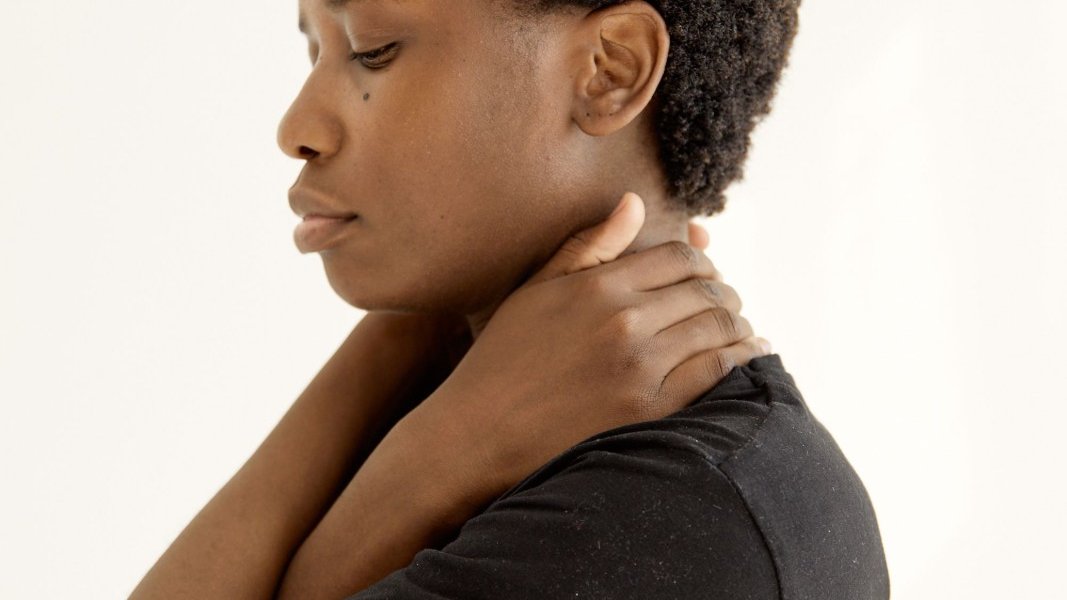
Connection and support are vital in managing chronic pain.