When Bullying Looks Like Friendship: Recognizing Relational Aggression in Black Girls
Psychology for Black Girls ·
Understanding Relational Aggression
Your daughter has friends. They sit together at lunch, share group chats, and spend time together after school. But lately, something feels different. She seems anxious when her phone buzzes and comes home upset after spending time with those she calls her best friends. Sometimes she is included in their plans, while other times, she discovers everyone got together without her.
When you ask what happened, she simply says, “It's complicated.” Not all bullying involves physical aggression or overt insults. Sometimes it manifests through friendships, social exclusion, rumors, and the fear of being pushed out of a group. This behavior is often referred to as relational aggression.
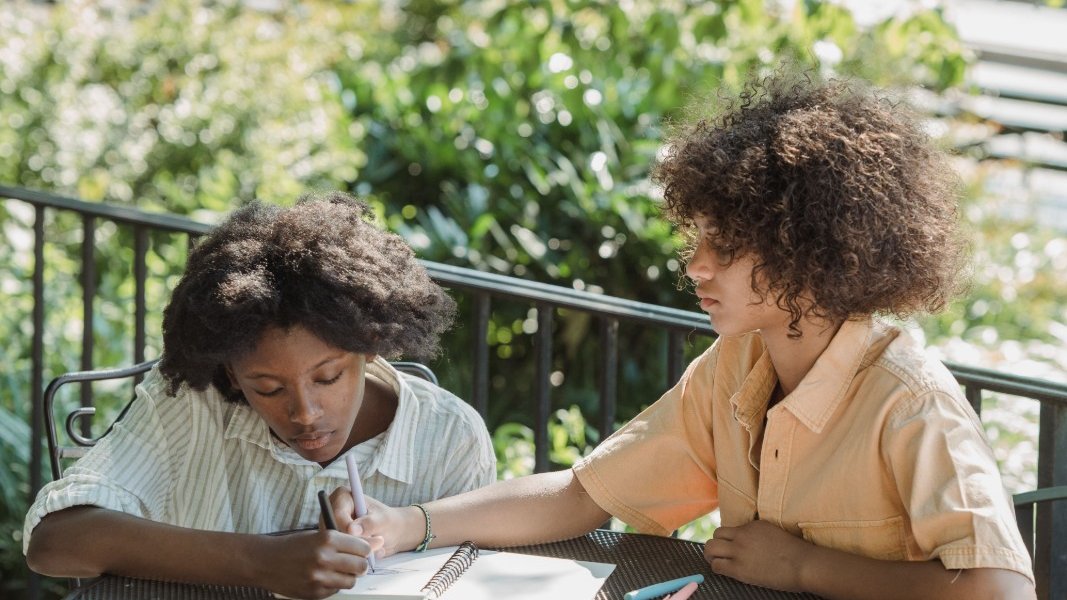
Recognizing the signs of relational aggression.
When Friendship Becomes a Way to Hurt Someone
Relational aggression involves using relationships or social standing to harm another person. It can include deliberately excluding someone, spreading rumors, threatening to end a friendship, sharing private information, or encouraging others to stop speaking to a particular girl.
For instance, a group of friends might repeatedly remove your daughter from a group chat whenever they are upset with her. Someone might say, “If you talk to her, we're not friends anymore.” Or a friend might share something embarrassing about her, insisting it was only a joke.
Ordinary friendship disagreements happen, but repeated behavior intended to humiliate, isolate, or control someone deserves attention. When aggression involves ongoing harmful behavior and a real or perceived imbalance of power, it may constitute bullying.
Why Girls Sometimes Stay in Hurtful Friendships
From an adult perspective, the solution may seem obvious: “Why don't you just find new friends?” However, friendships are a major part of adolescent identity and belonging. Your daughter may worry about eating lunch alone, losing her entire friend group, or becoming the next target of gossip.
She may also recall when the friendship was genuinely enjoyable and hope things will return to normal. Sometimes, the same person who embarrasses her on Monday acts like her best friend on Tuesday, creating a confusing dynamic.
Leaving may feel much harder than adults realize.
Signs Your Daughter May Be Struggling
Relational aggression is often difficult for parents and teachers to notice because much of it occurs outside adult supervision. You might observe:
Anxiety before school or social activities.
Sudden changes in friendships or group-chat participation.
Increased sadness, irritability, or withdrawal after interacting with certain friends.
Reluctance to attend school, parties, or extracurricular activities.
Repeated concerns about being excluded, embarrassed, or disliked.
These changes do not automatically mean bullying is occurring, but they are reasons to ask more questions. For Black girls, adults must also be mindful of how stereotypes about attitude, aggression, and maturity can influence their interpretation of friendship conflicts.
A girl who becomes angry after repeated exclusion may need support and protection, not simply discipline for her reaction.
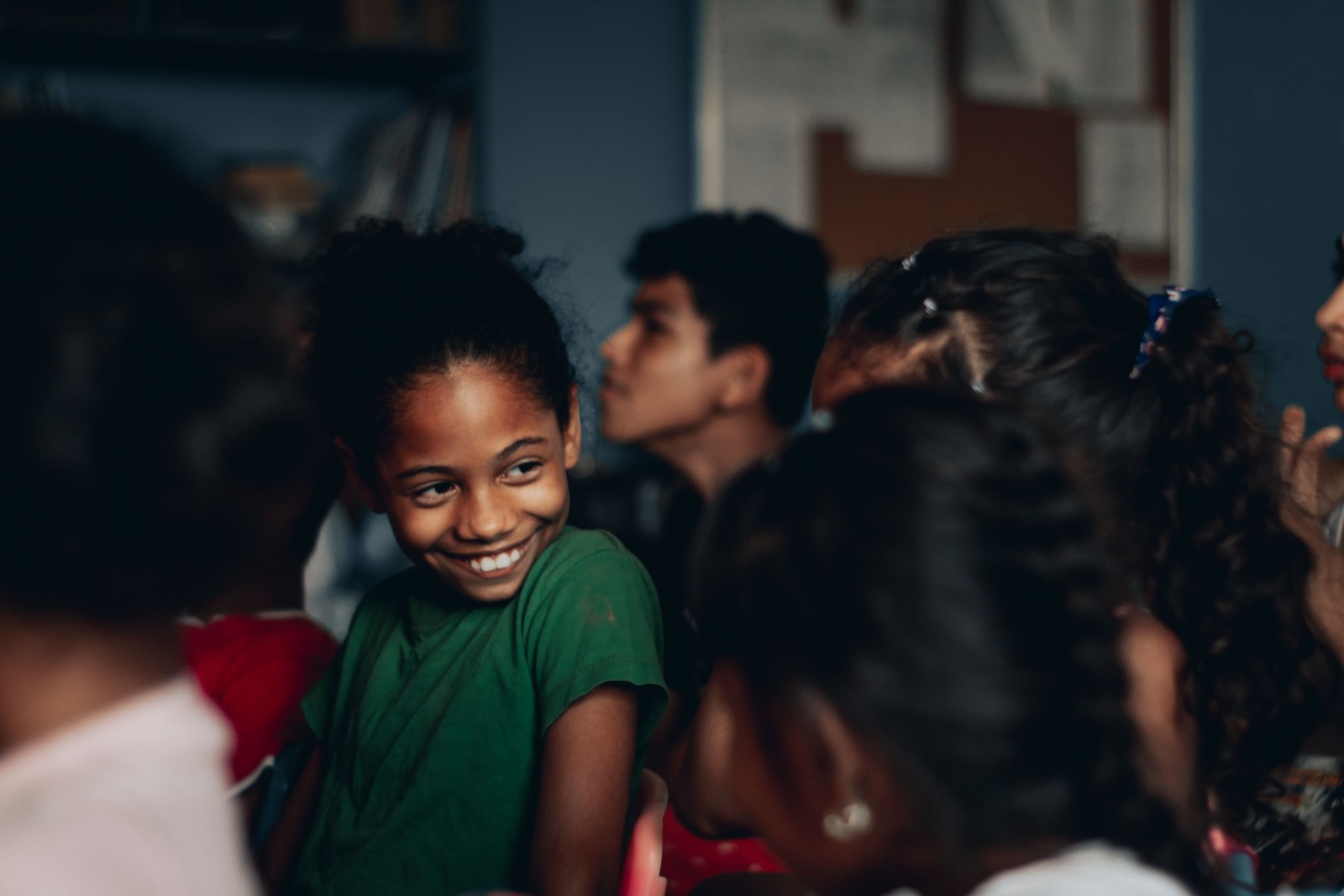
Encouraging open communication about friendships.
What Parents Can Say Instead of “Ignore Them”
When your daughter describes a hurtful friendship, resist the urge to immediately tell her what to do. Start with curiosity:
“Can you tell me what happened?”
“Does this happen often, or was it the first time?”
“How do you usually feel after spending time with these friends?”
“Do you feel comfortable being yourself around them?”
Listen for patterns rather than focusing solely on one disagreement. Help her understand that healthy friendships allow room for different opinions, mistakes, apologies, and personal boundaries. A friend may occasionally disappoint her without being a bully, but a relationship built around repeated humiliation, threats of exclusion, or fear of retaliation is different.
When Should Parents Involve the School?
If the behavior is repeated, affects your daughter's emotional well-being or education, or involves threats and harassment, it is essential to contact the school. Document specific incidents, including dates, messages, and the people involved. Save relevant screenshots when cyberbullying occurs.
Ask school staff how they will assess the situation, protect your daughter from retaliation, and follow up. Avoid encouraging her to retaliate publicly or confront the entire friend group. A forced apology or mediation session may not be appropriate when there is an ongoing power imbalance.
Instead, work toward a response that prioritizes safety, accountability, and her ability to participate comfortably in school.
Helping Her Build Healthier Friendships
Supporting your daughter does not mean choosing all her friends. It means helping her recognize how relationships affect her. Encourage friendships where she feels respected, included, and free to disagree without fearing punishment.
Activities outside her usual social circle may also create opportunities to develop connections that are not controlled by one friendship group. If the experience has significantly affected her confidence, mood, sleep, or school attendance, a mental health professional can help her process what happened and rebuild her sense of security.
Most importantly, avoid making popularity the goal. Your daughter does not need to be accepted by every group. She needs relationships where belonging does not depend on tolerating mistreatment.
Psychology for Black Girls provides educational resources to help Black girls, women, parents, and families better understand emotional and psychological well-being.
This article is for educational purposes and does not replace individualized mental health care. If bullying involves threats, violence, sexual exploitation, or concerns about a young person's immediate safety, seek appropriate professional or emergency assistance.