Understanding Body-Focused Repetitive Behaviors in Black Girls
Psychology for Black Girls ·
Skin Picking and Hair Pulling: Understanding Body-Focused Repetitive Behaviors
A girl may find herself repeatedly picking at the skin around her fingers, pulling strands of hair while studying, or spending excessive time trying to fix tiny imperfections on her skin. While these behaviors might initially seem like ordinary nervous habits, they can escalate into something more concerning.
When these actions become difficult to control, lead to physical damage, or create feelings of shame and distress, they may be classified as body-focused repetitive behaviors (BFRBs). These behaviors involve repetitive actions concerning the hair, skin, nails, or other parts of the body, and they are not simply a matter of willpower. For some, the behavior feels automatic, while others experience a strong urge or tension before acting, followed by temporary relief.

Hair pulling can often be unnoticed until significant damage occurs.
What Are Body-Focused Repetitive Behaviors?
Common BFRBs include:
Hair pulling (trichotillomania)
Skin picking (excoriation disorder)
Nail biting
Biting or picking the skin around the nails
Cheek or lip biting
Picking at scabs or blemishes
Not everyone who occasionally bites their nails or picks at their skin has a disorder. Concern arises when the behavior becomes frequent, causes injuries or noticeable hair loss, is difficult to stop, or negatively impacts daily life.
Recognizing Hair Pulling
Hair pulling can manifest in various ways, not always resulting in visible bald spots. A girl might pull hair from her scalp, eyebrows, or eyelashes, often focusing on specific strands due to their texture or appearance. Parents may notice:
Uneven or thinning hair
Missing eyelashes or eyebrows
Repeatedly touching or twisting hair
Hair pulling during activities like watching TV or studying
Avoidance of salons or situations where her hair may be noticed
Some individuals are fully aware of their hair pulling, while others may engage in the behavior unconsciously.
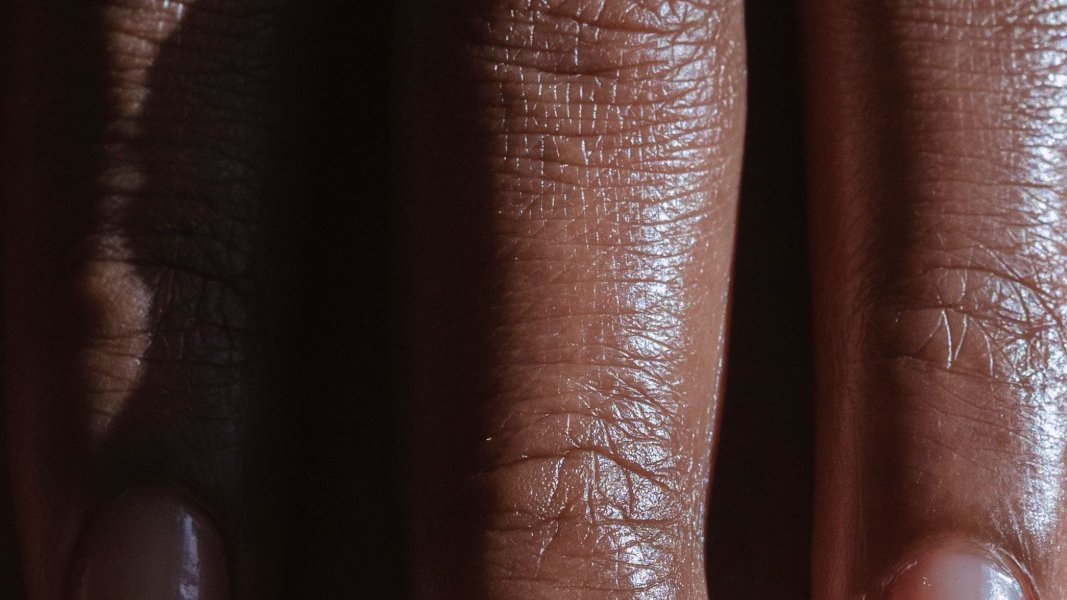
Skin picking can happen during moments of concentration.
Understanding Skin Picking
Skin picking can involve scratching, squeezing, or repeatedly picking at various skin areas. A person may focus on acne, scabs, or even normal skin, leading to:
Bleeding or open sores
Scarring or discoloration
Repeated infections
Excessive time spent examining the skin
Avoidance of situations where the skin may be visible
Feelings of shame after episodes
Often, a girl may start by trying to remove a small blemish and continue picking long after the initial issue has resolved.
Why Do These Behaviors Occur?
There is no single cause for BFRBs. They may become more frequent during times of:
Stress
Anxiety
Boredom
Concentration
Frustration
Fatigue
Loneliness
Overstimulation
These behaviors can also occur during calm activities, such as watching television or scrolling through a phone, making it challenging to simply tell someone to “stop doing that.” Often, individuals may not even realize they have started until some time has passed.
The Cycle of Urge, Relief, and Regret
For many, BFRBs follow a recognizable cycle: an uncomfortable urge or tension builds before the behavior, leading to temporary relief after pulling or picking. However, this is often followed by feelings of disappointment or embarrassment, perpetuating a cycle of:
Urge or tension → picking or pulling → temporary relief → shame or regret → another attempt to stop
Understanding this cycle is crucial, as it explains why punishment or criticism may not effectively address the issue.
Cultural Considerations for Black Girls
For Black girls, hair and skin hold significant cultural and personal meaning. Changes in hair due to pulling can be distressing, given the emotional importance of styling and hair care. Skin picking can leave visible marks that may be hard to conceal, leading to worries about judgment or uncomfortable questions.
This fear of judgment can lead to concealing the behavior, avoiding discussions, or insisting that nothing is wrong. Shame can make BFRBs more challenging to address.
Supporting Your Child: What to Avoid
Comments like:
“Just stop pulling your hair.”
“You're ruining your skin.”
“Why would you do that to yourself?”
can increase embarrassment without addressing the behavior. Instead, approach the situation calmly. Ask if she notices when the behavior occurs, what she is doing at the time, and whether certain emotions exacerbate it. The goal is to understand the pattern without making her feel scrutinized.
Helpful Strategies for Managing BFRBs
Support can include identifying triggers and making the behavior more noticeable before it happens. Helpful strategies may include:
Tracking when picking or pulling occurs
Identifying situations that increase urges
Keeping hands occupied during high-risk activities
Reducing access to common picking tools
Using barriers like bandages or protective hairstyles
Developing alternative stress management techniques
Working with a mental health professional experienced in BFRBs
One effective approach is Habit Reversal Training, which helps individuals become more aware of their behaviors and practice competing responses when urges arise.
When to Seek Professional Help
Consider seeking additional support when picking or pulling:
Causes significant hair loss or skin damage
Leads to bleeding, scarring, or infections
Takes up a significant amount of time
Causes embarrassment or avoidance
Interferes with daily life or relationships
Persists despite repeated attempts to stop
A healthcare professional can also evaluate any physical concerns, such as wounds or infections.
Recognizing BFRBs as More Than a Habit
Body-focused repetitive behaviors can be perplexing, as individuals may genuinely want to stop but struggle to do so. This does not mean they are not trying. Understanding the difference between an occasional habit and a behavior that has become difficult to manage can foster a more compassionate response from families.
With appropriate support, individuals can learn to recognize triggers, interrupt repetitive patterns, manage urges, and reduce the impact of these behaviors on their lives. If skin picking, hair pulling, anxiety, or related concerns are affecting you or a Black girl you care about, the Psychology for Black Girls Directory can help connect you with culturally responsive mental health professionals who understand the significance of culture, identity, and lived experience.