Understanding Body Dysmorphic Disorder in Black Women
Psychology for Black Girls ·
When the Mirror Becomes a Source of Distress
Have you ever spent an hour preparing for an outing, only to feel that something is still off? You check your reflection repeatedly, adjusting your makeup and changing outfits, yet the dissatisfaction lingers. Friends may tell you that you look beautiful, but their reassurances fade quickly, leaving you to scrutinize the same perceived flaw.
For some women, these feelings extend beyond typical concerns about appearance. They may indicate **body dysmorphic disorder (BDD)**, a mental health condition that can profoundly impact emotional well-being, relationships, and daily functioning.
What Is Body Dysmorphic Disorder?
Body dysmorphic disorder is characterized by a persistent preoccupation with one or more perceived flaws in physical appearance that are either not observable or appear minor to others. This concern can involve nearly any part of the body, including the skin, face, hair, nose, teeth, or body shape.
Individuals with BDD may spend excessive time examining, concealing, or attempting to alter the feature that causes them distress. They often engage in repetitive behaviors or mental activities related to their appearance, such as mirror checking, comparing themselves to others, seeking reassurance, or excessive grooming.
It’s important to note that BDD is not merely vanity or insecurity; it is a recognized mental health condition that can disrupt work, education, relationships, and daily activities.
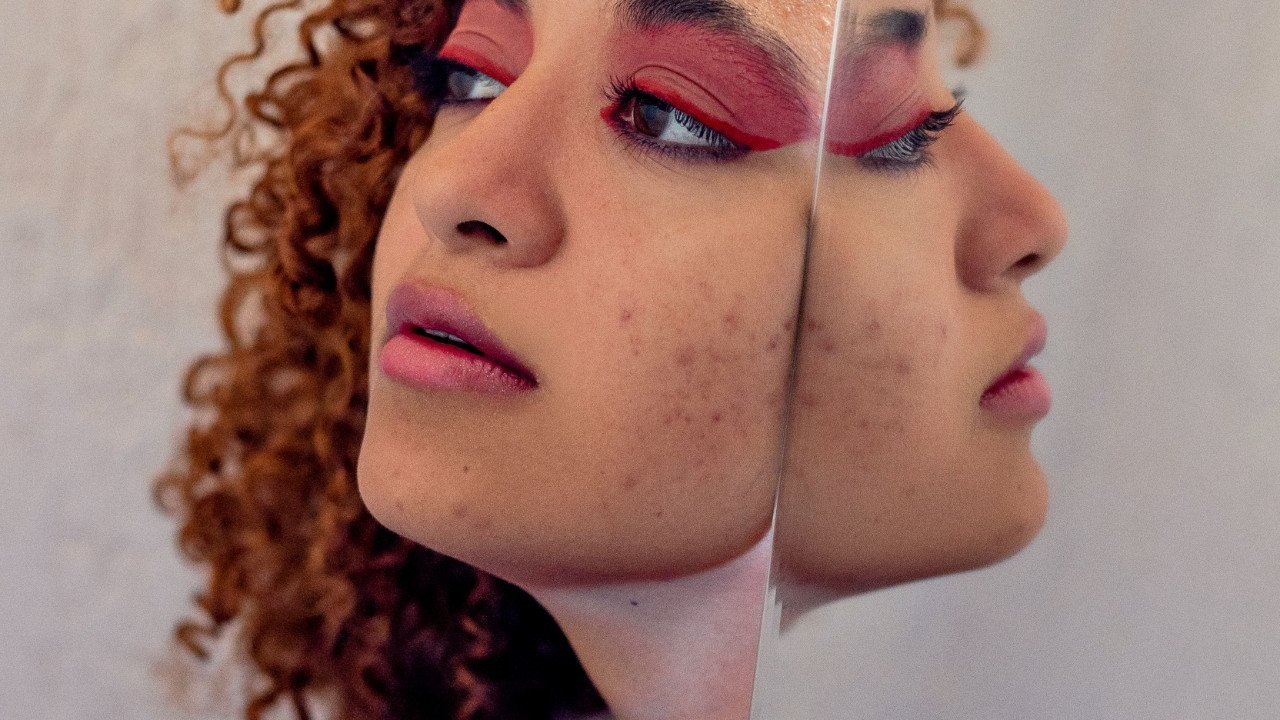
Understanding the impact of body image on mental health.
How Can BDD Show Up in Everyday Life?
BDD manifests differently for each individual. Some may check mirrors obsessively, while others might avoid mirrors altogether due to the distress triggered by their reflection. Common experiences include:
Spending excessive time checking or attempting to correct a perceived appearance flaw.
Comparing facial features, skin, hair, or body proportions with those of others.
Seeking reassurance about appearance but feeling momentarily relieved.
Avoiding photographs, video calls, social events, or certain lighting.
Using makeup, clothing, hairstyles, or accessories primarily to conceal a perceived defect.
Researching cosmetic procedures or treatments in hopes of resolving concerns.
Experiencing difficulty concentrating due to persistent thoughts about appearance.
A person may recognize that their concerns are excessive or may be completely convinced that their perceived flaw is obvious to everyone. Ultimately, the level of distress and interference in daily life is what matters most, regardless of how noticeable the feature is to others.
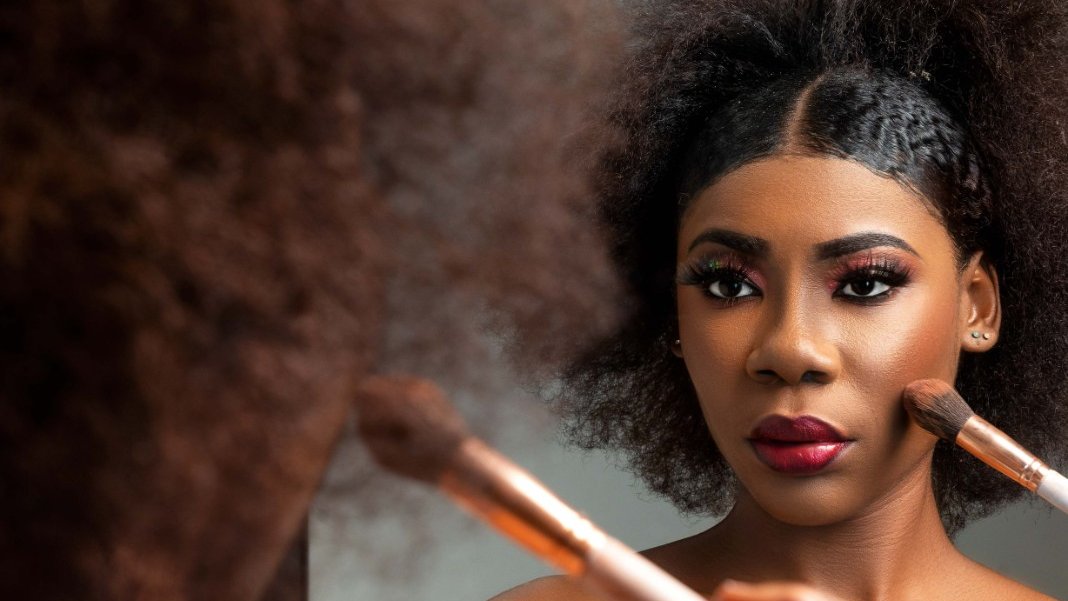
Support and community are essential in addressing BDD.
Why Appearance Concerns Can Be Complicated for Black Women
Black women often navigate complex beauty standards that involve pressures related to skin tone, hair texture, facial features, and body shape. Colorism, texturism, discrimination, and narrow representations of beauty can significantly influence how women perceive and evaluate their appearance.
These pressures are real and deserve recognition; concerns stemming from them do not automatically indicate a psychiatric disorder. BDD becomes a clinical consideration when preoccupation with appearance is persistent, accompanied by repetitive behaviors, and causes significant distress or impairment.
A culturally responsive professional must differentiate between understandable reactions to social pressures and symptoms of a mental health condition. The aim is not to dismiss a woman’s experiences with beauty standards but to determine if additional psychological difficulties are complicating those experiences.
What Is the Difference Between BDD and Low Self-Esteem?
Many people occasionally feel dissatisfied with their appearance. You might dislike a photograph or wish your hair looked different. However, these feelings alone do not indicate BDD.
With BDD, the concerns become overwhelming and time-consuming. For instance, someone may frequently arrive late because she cannot stop checking her appearance, or another might decline an important opportunity due to fear of being seen. The distress often persists even after receiving reassurance, changing grooming habits, or undergoing cosmetic treatments.
BDD is distinct from eating disorders, though the two conditions can coexist. When concerns primarily focus on body fat or weight, clinicians must carefully evaluate whether an eating disorder better explains the symptoms.
Can Social Media Make Symptoms Worse?
Social media can amplify opportunities for appearance comparison, especially when photographs are edited or filtered. An individual with BDD may find herself obsessively examining photos, comparing features, or searching for signs of a perceived flaw.
However, social media is not the sole cause of BDD, nor does every user of filters or comparison tools have the disorder. The critical question is whether these activities reinforce distressing thoughts and repetitive behaviors that disrupt daily life. While reducing exposure to triggering activities may be beneficial, those experiencing BDD often require more than just a break from social media.
Why Cosmetic Changes May Not Resolve the Distress
When someone believes that a specific feature is the source of her unhappiness, altering that feature may seem like a straightforward solution. However, cosmetic procedures and repeated appearance-related treatments often fail to address the underlying symptoms of BDD.
A person may remain dissatisfied, continue fixating on the same feature, or become preoccupied with a different aspect of her appearance. This does not imply that every interest in cosmetic treatment is unhealthy; rather, it highlights the importance of psychological assessment when appearance concerns are intense and persistent.
How Is Body Dysmorphic Disorder Treated?
BDD is treatable. One of the primary evidence-based approaches is **cognitive behavioral therapy (CBT) specifically adapted for BDD**. This treatment can help individuals recognize unhelpful beliefs about their appearance, reduce repetitive checking and reassurance-seeking, and gradually confront situations they have been avoiding.
Exposure and response prevention techniques may also be included to help decrease compulsive appearance-related behaviors. Selective serotonin reuptake inhibitors (SSRIs) are commonly used in treatment, particularly for moderate to severe symptoms. A qualified healthcare professional can assist in determining the most appropriate treatment options.
Effective treatment focuses on alleviating distress and enhancing functioning rather than convincing someone to conform to a specific beauty standard.
When Should You Seek Professional Support?
If your appearance concerns:
Consume a significant amount of time each day.
Lead to repetitive checking, concealing, comparing, or reassurance-seeking.
Cause you to avoid relationships, work, school, or social activities.
Continue to create distress despite efforts to change or improve your appearance.
Make it challenging to enjoy everyday life.
BDD can also be linked to depression and suicidal thoughts. Any thoughts of self-harm should receive immediate professional attention. In the United States, the 988 Suicide & Crisis Lifeline is available for urgent crisis support, and you should call 911 if there is an immediate danger.
Your Worth Is Not Defined by a Perceived Flaw
Living with persistent appearance-related distress can be draining, especially when it feels like everyone else notices something you wish to change. For Black women, these feelings may coexist with real societal pressures regarding beauty standards.
Both experiences warrant serious consideration. Seeking help for BDD is not about giving up personal style, beauty routines, or self-expression; it is about alleviating the distress that can make appearance feel like the focal point of daily life.
You deserve to participate fully in your life without feeling that your appearance must be perfected first.
*Psychology for Black Girls provides educational resources supporting the emotional and psychological well-being of Black women, girls, and families.*
*This article is intended for educational purposes and does not replace individualized evaluation or treatment by a qualified mental health professional.*