When Your Black Daughter Is Labeled 'Disrespectful' at School
Psychology for Black Girls ·
The email from school is brief: “Your daughter was disrespectful during class.” When you ask for more details, the explanation remains vague: she had an attitude, her tone was inappropriate, she talked back, she was being difficult. Yet, your daughter tells a different story, describing how she questioned a correction, felt singled out, or was interrupted before she could explain.
Caught between supporting your child and ensuring she takes responsibility, you might feel torn. However, you don't have to choose. You can hold your daughter accountable for her actions while simultaneously investigating whether she was treated fairly and with understanding.

When your daughter is labeled "disrespectful," it's crucial to gather specific facts and understand the full context of the situation.
Demand Specifics, Not Vague Labels
The label “disrespectful” is a judgment, not a clear description. It can encompass a wide range of behaviors, from yelling or refusing an instruction to simply questioning a decision, appearing frustrated, or trying to explain herself.
To understand what truly happened, you need specific information. Instead of accepting vague statements like, “She had an attitude,” ask for observable behaviors.
“Please describe the observable behavior that was considered inappropriate.”
This isn't about being hostile; it's about gathering enough information to address the situation constructively. Ask the school for details such as:
What exact words did she use?
What specific actions did she take?
What happened immediately before the incident?
What instruction was she given, and how did she respond?
How did the adult respond to her?
Who witnessed the interaction, and was another student involved?
What specific school rule was violated?
A specific description provides a concrete issue you can address, unlike a general and subjective label.
Listen to Your Daughter's Perspective
Your daughter may indeed have behaved poorly, but she might also feel embarrassed, misunderstood, singled out, or unfairly treated. Before correcting her, give her a safe space to explain her side of the story without interruption.
Start with open-ended questions that encourage her to share:
“What happened from the beginning, in your own words?”
“What did the teacher say, and what did you say next?”
“Was anyone else there, and what did they do or say?”
“What do you wish you had done differently in that moment?”
“Do you feel this teacher treats you differently from other students?”
Avoid accusatory phrases like, “You are always causing problems” or “You must have done something.” When children fear blame, they may withhold crucial information. Listening doesn't mean you agree with every detail, but it allows you to understand her perspective before deciding on the next steps.
Recognize Potential Adultification Bias
Research indicates that Black girls, particularly between the ages of 5 and 14, are often perceived by adults as more adult-like, less innocent, and less deserving of comfort and support than their White peers. This phenomenon, known as adultification bias, can significantly impact how their behavior is interpreted.
Under this bias, a confident response might be misconstrued as aggression, a simple mistake as intentional defiance, or a child who appears mature may receive less patience. While adultification bias doesn't explain every disciplinary incident, it's a critical factor to consider when your daughter is repeatedly described with vague, negative terms such as aggressive, loud, intimidating, difficult, or disrespectful.
Equip Her to Respond Constructively
It's important to validate your daughter's feelings of anger, embarrassment, or frustration if she feels unfairly treated. However, she also needs tools to respond in ways that protect her and ensure her concerns are heard.
You might say, “I understand why you were upset. Let’s talk about how you can respond next time without giving anyone a reason to ignore your concern.” Practice phrases she can use to advocate for herself effectively:
“I would like to explain what happened from my perspective.”
“I understand the instruction. May I ask a clarifying question?”
“I am feeling frustrated right now, and I need a moment to collect myself.”
“I would like to speak with the school counselor about this.”
“I don't feel like I'm being understood in this conversation.”
“I will follow the direction now, but I would like to discuss this further afterward.”
The goal is not to teach her to accept unfair treatment silently, but to empower her to advocate for herself while preventing her reaction from becoming the sole focus of adult attention.
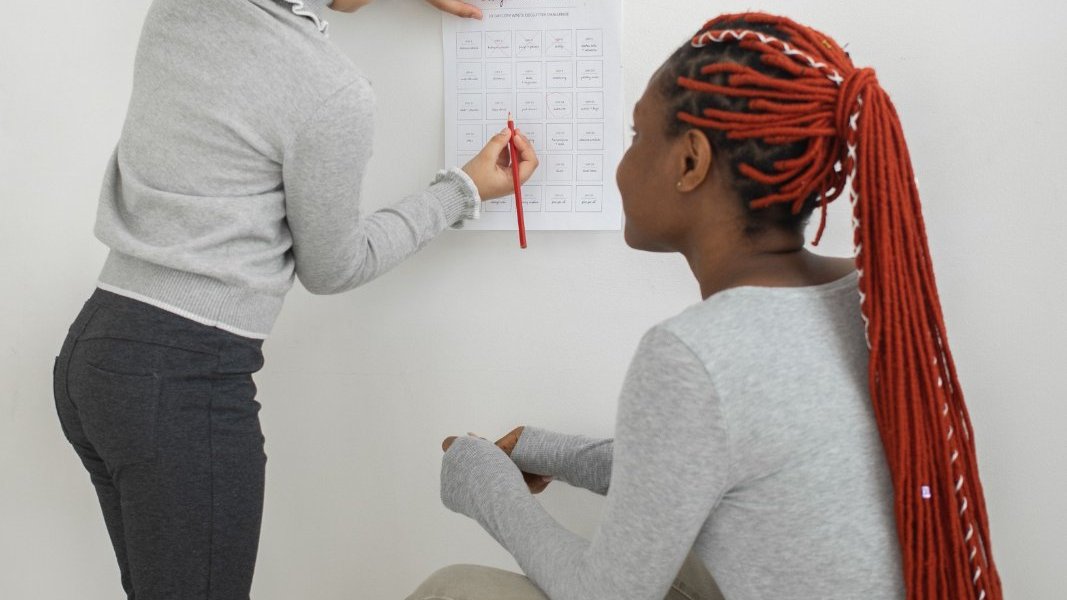
Documenting incidents and preparing for school meetings can help you advocate effectively for your daughter.
Document Repeated Incidents Thoroughly
While a single misunderstanding can often be resolved through conversation, a pattern of disciplinary issues requires careful documentation. Maintaining a detailed record is crucial for effective advocacy.
Keep a factual record of:
Dates and times of each incident.
Names of staff members involved.
What the school reported versus what your daughter reported.
Any consequences given, including missed instructional time.
Copies of all emails and written notices.
Requests you made to the school and their responses.
Your notes should be objective. For example, write: “The teacher reported that Maya refused to move seats. Maya stated that she asked why she was being moved because another student had been talking.” Avoid subjective statements like, “The teacher always targets her.” Specific records are far more useful when speaking with administrators or requesting a formal review.
Prepare for School Meetings Strategically
When meeting with school staff, request that all appropriate individuals attend, such as the teacher, school counselor, administrator, or a behavior specialist. Bring your detailed notes and a concise list of questions to guide the discussion.
Consider asking:
Is this behavior occurring in several classes, or is it isolated to one?
Is it connected to a particular task, peer, or adult?
How have similar behaviors been handled with other students?
What support was offered to my daughter before discipline was assigned?
Is she missing valuable instructional time due to repeated removals?
What can she do when she feels misunderstood or unfairly treated?
Who is a trusted adult she can approach for support at school?
How will we measure the effectiveness of any agreed-upon plan?
Keep the conversation focused on both accountability and support. You might state: “I want my daughter to communicate respectfully, and I also want to ensure that expectations are applied consistently and that her concerns are genuinely heard.”
Explore Restorative Responses
Effective discipline should do more than simply remove a student from class; it should help them understand what happened, repair any harm, and successfully return to the learning environment. Restorative practices emphasize respect, empathy, trust, accountability, and relationship repair.
These approaches can strengthen school connectedness and foster healthier school communities. Ask if the school can implement:
A facilitated conversation between your daughter and the staff member.
A reflection process for your daughter to understand her actions and their impact.
A plan for repairing the teacher-student relationship.
Regular check-ins with a trusted staff member.
Clear expectations for future interactions.
Support for communication or emotional regulation skills.
This doesn't mean there should be no consequences, but rather that the response should aim to prevent the same conflict from recurring and promote growth.
Address Potential Discrimination Seriously
Federal law prohibits schools receiving federal financial assistance from discriminating against students based on race, color, or national origin. If you suspect your daughter is being disciplined more harshly or frequently than other students for comparable behavior, it's crucial to address this concern.
Start by discussing your concerns with the teacher or administrator. If unresolved, utilize the district’s formal complaint process. For serious, repeated issues, or those causing significant loss of educational access, consider consulting an education advocate or attorney. The U.S. Department of Education’s Office for Civil Rights also accepts complaints regarding unlawful discrimination in education.
Nurture Her Self-Worth and Voice
Repeated disciplinary actions can profoundly affect a student’s self-perception and their feelings about school. She might become quiet, defensive, anxious, or convinced that adults have already made up their minds about her. Students who feel cared for and supported at school are more likely to experience a sense of belonging, which is linked to better mental health and positive academic outcomes.
Remind your daughter:
“You are responsible for your choices, but one difficult interaction does not define who you are.”
“You deserve to be corrected respectfully and with understanding.”
“I will always listen to you, and I will also help you think about what you can do differently.”
“You do not have to handle this alone; we are a team.”
Advocating for your daughter doesn't mean believing she is never wrong. It means ensuring she is treated as a child who can learn, grow, and be understood. Ask for the facts, listen to her account, address behavior that needs correction, and question patterns that appear unfair. Work collaboratively with the school when possible, and escalate concerns when necessary. Your daughter should never have to become silent to be considered respectful.
The next time you receive a vague disciplinary report, ask for the exact words, actions, context, and school rule involved. Document the response and request a meeting when the concern becomes a pattern.