Autistic Joy: Embracing the Full Spectrum of Autism
Psychology for Black Girls ·
Autism: More Than Challenges
Autism is often framed through the lens of problems. Evaluations highlight deficits, school meetings center on concerns, and families receive lists of skills to improve and services to arrange. While these conversations are essential for providing meaningful support, they do not capture the full essence of autistic individuals.
Autistic people experience a rich tapestry of emotions, including curiosity, pride, creativity, connection, comfort, excitement, and joy. Acknowledging these experiences offers a more complete picture of who they are.
Understanding Autistic Joy
Autistic joy refers to the happiness derived from engaging with the world in a uniquely autistic manner. This joy can manifest in various forms, such as:
Learning extensively about a favorite subject
Repeating movements that provide calm or excitement
Organizing objects into satisfying patterns
Listening to a beloved song on repeat
Sharing detailed information with an interested listener
Spending time with those who communicate directly
Enjoying interests without fear of judgment
Being in environments that cater to sensory needs
Completing creative projects
Each person's experience of joy is unique; for instance, one individual may find joy in painting, while another may feel it through identifying trains, studying history, or creating music.
The Value of Focused Interests
Autistic interests are often labeled as restricted or excessive, but they can be a source of enrichment. While an interest may become concerning if it interferes with essential needs, it can also provide:
Knowledge
Motivation
Emotional regulation
Confidence
Community
Career direction
Connection opportunities
A reliable source of comfort
Research indicates that focused interests can enhance daily life, contributing to enjoyment and achievement. Instead of trying to diminish these interests, consider their potential benefits. Ask questions such as:
What does this interest provide?
Can it support learning or communication?
Does it foster friendships?
Can it be integrated into daily activities?
Is there enough time to enjoy it without neglecting responsibilities?
For example, a child fascinated by maps might use that interest to enhance reading or geography skills, while an adult researching a specific topic may develop valuable expertise.
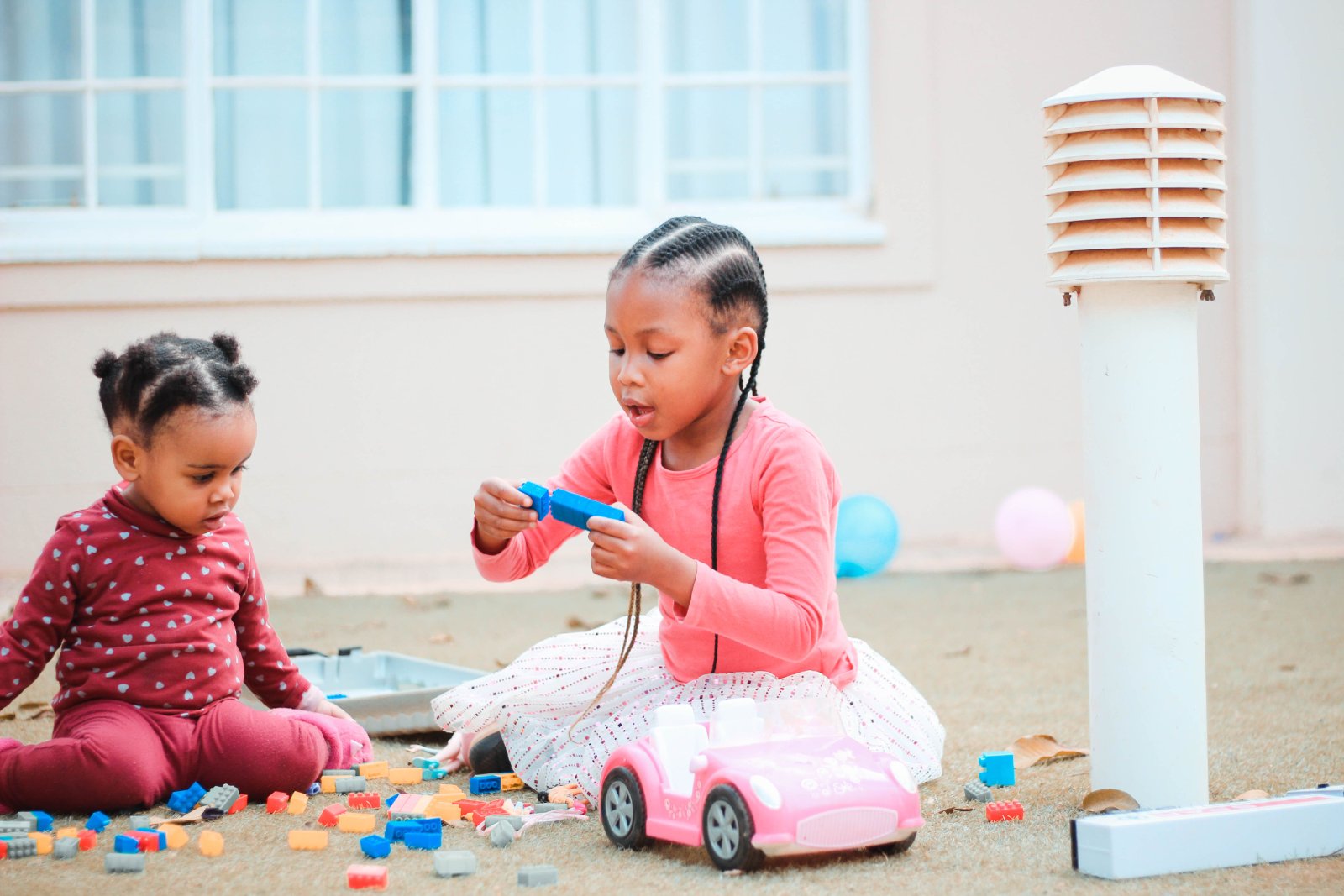
Repetitive Movements as Expressions of Joy
Repetitive movements, often referred to as stimming, can be a joyful expression. Actions such as rocking, pacing, or hand movements serve various purposes, including regulating sensory input, managing anxiety, and expressing excitement. For instance, a person who flaps their hands in happiness should not be taught to suppress that joy.
Interventions should only be considered if a movement poses a risk of injury or safety concern. It is essential to differentiate between harmful behaviors and those that simply look different from societal norms.

Celebrating the joy of autism in community.
Recognizing Subtle Expressions of Happiness
Not all expressions of joy are loud or easily identifiable. An autistic child may show enjoyment through:
Revisiting the same activity
Sitting quietly next to someone
Sharing an object
Repeating a favorite line
Smiling briefly
Becoming deeply focused
Engaging in movement
Discussing a subject at length
Relaxing in familiar surroundings
Similarly, an autistic adult may not express excitement in ways others expect. It is crucial to learn how they communicate pleasure, comfort, and connection.
Individual Strengths and Abilities
It is important to recognize that not all autistic individuals possess exceptional talents. Stereotyping can be harmful, and it is vital to avoid reducing autism to limitations alone. Many autistic people exhibit strengths such as:
Attention to detail
Honesty
Creativity
Deep knowledge
Visual learning
Pattern recognition
Loyalty
Persistence
Problem-solving
Strong memory
Original thinking
Empathy and concern for others
Strengths vary widely and can depend on the environment. For example, someone who struggles in a noisy workplace may thrive in a structured setting with clear expectations.
Support Needs and Acceptance
Celebrating autistic joy does not mean ignoring the challenges that autism can bring. An autistic individual may find joy in their interests while still requiring support in areas like communication, personal care, and education. It is essential to acknowledge that these experiences coexist.
Support should aim to reduce distress, enhance access, and build skills without forcing individuals to mask their autism for the comfort of others.
Creating Joyful Spaces at Home
Parents and caregivers can foster joy by observing what naturally engages their child. Consider asking:
What activities help them relax?
What do they return to repeatedly?
When do they communicate most freely?
Which environments feel comfortable?
How do they express excitement?
Who allows them to be themselves?
What strengths emerge when they are supported?
Encourage these experiences without turning them into lessons or rewards. A child should not have to earn access to activities that promote happiness and regulation.
Engaging with a child’s interests can also be done collaboratively. Sit nearby, ask for permission to join, and follow their lead instead of redirecting their play.
Connecting with Like-Minded Individuals
Autistic individuals often feel most comfortable with those who communicate directly and share similar interests. Community can be found through:
Interest-based clubs
Art, music, gaming, or science groups
Autism-affirming peer spaces
Disability organizations
Online communities with safety precautions
Social groups centered around shared activities
Mentors who understand neurodivergence
Research shows that a positive autistic identity and solidarity with other autistic individuals can enhance psychological well-being. The goal is to create opportunities for connection without the pressure to mask.
Balanced Conversations About Autism
Children are perceptive and listen to how adults discuss autism. If conversations focus solely on deficits and burdens, they may internalize the belief that their natural way of being is undesirable. It is crucial to use language that reflects both strengths and needs.
For example, you might say:
“Some sounds feel much stronger to you, so we are finding ways to make those places more comfortable.”
“You know a lot about this subject because it is important to you.”
“Your brain notices details that others may miss.”
“You still need help learning how to handle this situation safely.”
“You do not have to hide everything that makes you different.”
Support and acceptance can coexist in the same conversation.
Embracing a Full Life
An autistic individual is more than a diagnosis or a set of challenges. They deserve the support they need while also having the freedom to enjoy their passions, express themselves, and build meaningful relationships. It is essential to ask not only, “What does she need to improve?” but also, “What brings her joy, and how can we create more space for it?”
“An autistic person deserves time to enjoy what they love and experience pride without being treated like a project that is never finished.”
Explore Autism-Affirming Support
This resource is intended for education and general information. Autism experiences, strengths, challenges, and support needs differ across individuals. This article is not a substitute for individualized psychological, developmental, medical, therapeutic, or educational guidance.