Could She Be Autistic? 8 Signs Parents May Overlook in Black Girls
Psychology for Black Girls ·
Understanding Autism in Black Girls
She makes eye contact, earns good grades, and talks about her favorite shows. Teachers may describe her as quiet, sensitive, or even dramatic. Yet, because she does not fit the typical autism stereotypes, many overlook the possibility of an evaluation.
Autism is a developmental condition characterized by differences in social communication and interaction, along with restricted or repetitive behaviors. These traits often become more apparent as social and academic demands increase. Unfortunately, research indicates that autistic girls, particularly Black girls, may be identified later or missed altogether due to the intersection of race and gender.
No single sign definitively indicates that a child is autistic. Instead, it is essential to consider the overall pattern across various aspects of her life.
1. She Studies Other Children to Learn How to Fit In
Many girls, whether consciously or unconsciously, mimic the behaviors of their peers. Your daughter may:
Rehearse what she plans to say
Copy another girl’s expressions or gestures
Observe before joining a group
Use phrases she has heard from television or friends
Rely on a socially confident friend to navigate interactions
Practice conversations before social events
This behavior, often referred to as masking or camouflaging, can obscure autistic traits, making them harder for adults to recognize.
2. She Has Friends but Still Struggles Socially
Having friends does not preclude autism. The key question is how your daughter experiences and maintains these relationships. She may:
Depend heavily on one best friend
Become confused when friendship dynamics change
Struggle when friends want to include others
Misinterpret teasing or sarcasm
Focus extensively on her own interests, missing social cues
Feel left out without understanding why
Experience frequent friendship breakups
Prefer younger or older companions
While she may desire connection, the unspoken rules of friendship can be challenging to navigate.
3. Her Interests Are Intense but Appear Typical
Your daughter's interests may seem ordinary but are pursued with unusual intensity. She might be deeply engaged in:
A singer or celebrity
Animals
Books
Fashion
Art
Social justice
Consider the intensity, repetition, and impact of these interests on her daily life. Does she spend hours researching them? Does every conversation circle back to these topics? Intense interests can be a hallmark of autism, regardless of their social acceptability.
4. She Holds It Together at School but Falls Apart at Home
Teachers may not observe any issues, as your daughter may excel in following rules and completing assignments at school. However, at home, she may:
Cry over minor requests
Become irritable or argumentative
Withdraw from conversation
Need significant alone time
Become distressed when discussing her day
Experience meltdowns after social events
This discrepancy does not indicate deliberate behavior; home may simply be the place where she feels safe enough to express her true feelings.

Understanding the signs of autism in Black girls.
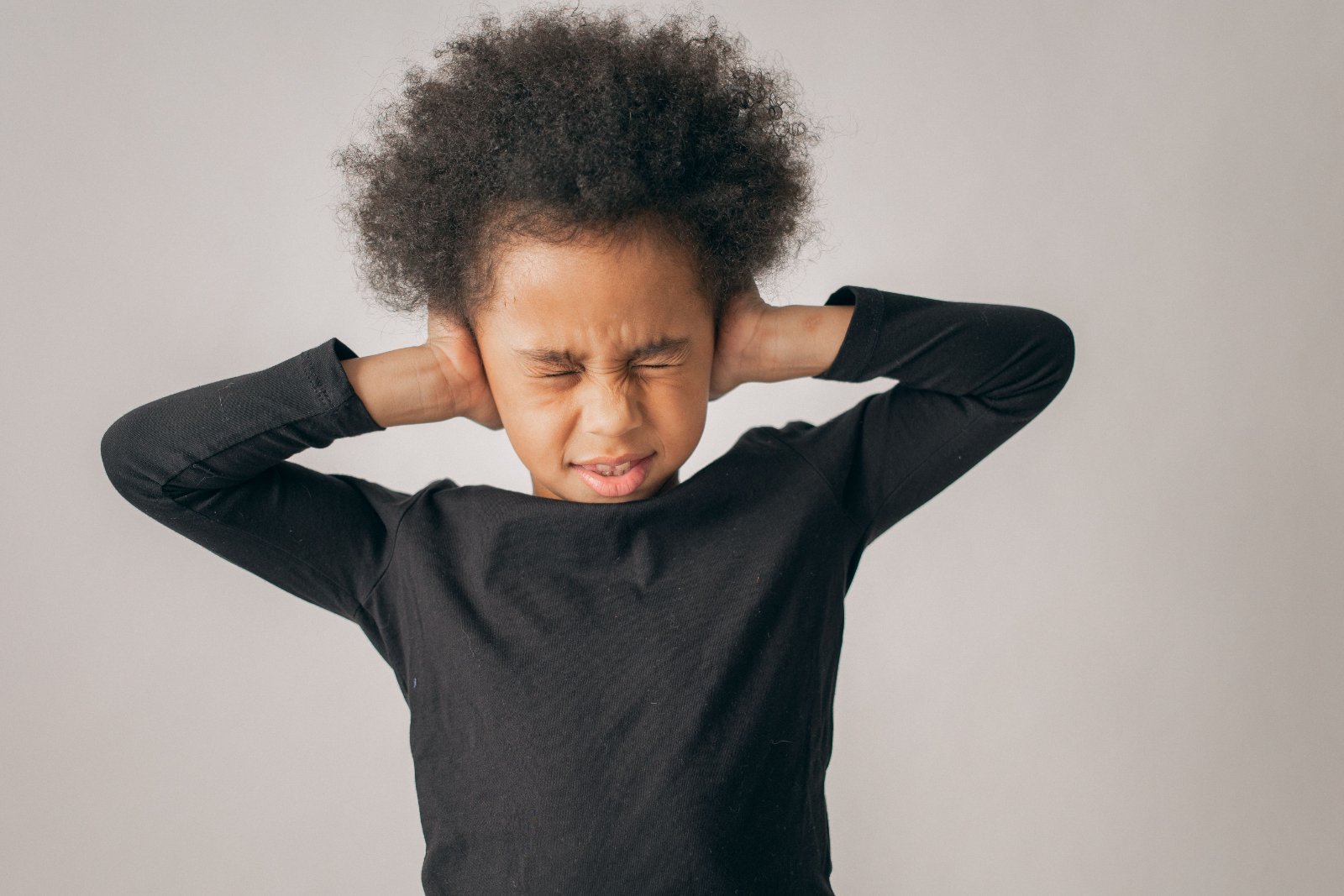
5. Sensory Experiences Affect Daily Life
Your daughter may experience sensory input—such as sound, touch, or light—more intensely than her peers. You might notice she:
Covers her ears in loud environments
Refuses certain clothing due to discomfort
Becomes distressed during grooming
Avoids specific foods based on texture or smell
Feels overwhelmed in crowded places
Seeks out specific sensory experiences
While sensory sensitivities are characteristic of autism, they should be assessed alongside other behavioral patterns.
6. She Understands Words but Misses the Unspoken Message
Your daughter may have a strong vocabulary yet struggle with social nuances. She might:
Take statements literally
Miss sarcasm or teasing
Become confused by vague instructions
Need explicit communication from adults
Sound blunt without intending to offend
Before assuming negative intent, consider whether she understands the hidden meanings behind social interactions.
7. Change, Uncertainty, or Imperfection Causes Significant Distress
Some girls cope with anxiety by creating routines and seeking predictability. Your daughter may:
Need to know plans in advance
Become upset when plans change
Follow rules rigidly
Struggle to complete tasks that feel unfinished
Become anxious about potential mistakes
While this behavior may be labeled as anxiety or perfectionism, it can also indicate a broader developmental pattern.
8. Earlier Signs Were Present but Did Not Look Obvious
Autism often begins in early development, even if it goes unrecognized. Parents may recall signs such as:
Preference for solitary play
Repetitive play patterns
Difficulty joining group activities
Strong reactions to sensory stimuli
Comfort with adults but uncertainty around peers
Some girls may develop language skills on time and excel academically, but their challenges can become more pronounced as social demands increase in later childhood.
Why Black Girls May Be Misunderstood
The same behaviors can be interpreted differently based on who is observing. A Black girl who appears unresponsive might be labeled as defiant, while another who speaks directly may be seen as having an attitude. This misinterpretation can lead to a lack of recognition for the support these girls need.
Research highlights the limited representation of Black autistic girls in scientific literature, underscoring the importance of remaining curious and avoiding stereotypes.
When to Consider an Autism Evaluation
If you notice several of these patterns, it may be time to discuss an evaluation with a qualified professional. Look for signs that:
Started in childhood
Occur across various settings
Interfere with daily life
Cause significant distress
A comprehensive evaluation will consider developmental history, behavioral observations, and other potential explanations.
Look Beyond Whether She Appears “Fine”
Remember, a child can smile, make eye contact, and excel academically yet still be autistic. The crucial question is:
How much effort does it take for her to manage everyday expectations, and what happens when she can no longer keep up?
Recognizing these patterns can pave the way for the support she needs, preventing years of confusion and self-blame.
Explore Autism Evaluations for Girls
This resource is intended for educational purposes and is not a diagnostic checklist or substitute for individualized evaluation.
Friendship dynamics among young girls.